Fitness tracking has become part of everyday life for millions of people. Whether you use a smartwatch, a phone app, or a simple pedometer, step counting is one of the most common ways to measure daily movement.
Steps are easy to understand, easy to track, and they add up quickly, which is why step goals have become such a popular benchmark for health and activity. But one question comes up again and again:
How many steps are in a mile?
The answer depends on whether you’re walking or running, and it also varies based on your height, stride length, and pace. Still, there are useful averages that can help you convert steps into distance.
How many steps are in a mile walking?
For the average person, one mile of walking is roughly 2,000 steps.
That’s a good rule of thumb, but it’s not exact. Step count varies because everyone’s stride is different. A taller person typically covers more ground with each step, meaning they’ll take fewer steps per mile. Someone shorter, or walking at a slower pace, will usually take more.
As a general range:
- Shorter stride or slower pace: 2,200–2,500 steps per mile
- Average adult walker: ~2,000 steps per mile
- Longer stride or brisk pace: 1,800–2,000 steps per mile
So if you’re walking 5,000 steps a day, you’re likely covering around 2–2.5 miles depending on your stride.
How many steps are in a mile running?
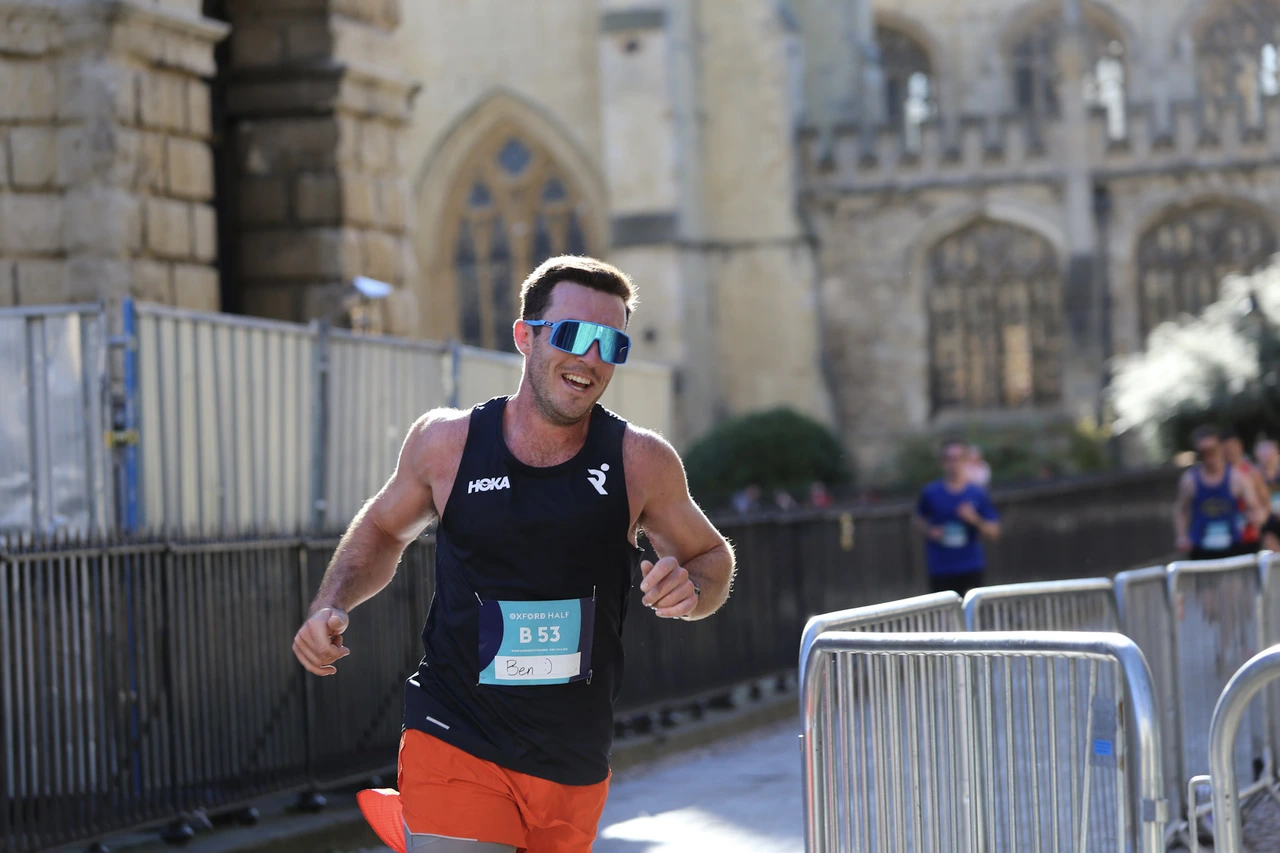
Running usually involves a longer stride, so the step count per mile is lower.
On average, one mile of running is about 1,500 steps.
However, just like walking, this depends heavily on pace and running style. Faster runners tend to take fewer steps per mile because each stride covers more distance. Slower running can sometimes look more like short jogging steps, increasing the count.
Typical estimates include:
- Easy jogging pace: 1,700–2,000 steps per mile
- Average running pace: ~1,500–1,800 steps per mile
- Fast running pace: closer to 1,000–1,400 steps per mile
That means two runners could both run one mile, but finish with very different step totals.
Why step counts vary so much
Steps aren’t a universal unit like miles or kilometres, they’re personal.
Several factors affect how many steps you take per mile:
- Height and leg length (taller people tend to take fewer steps)
- Stride length (some people naturally walk or run with shorter strides)
- Speed and intensity (faster movement usually increases stride distance)
- Terrain (hills and trails often shorten steps)
- Fitness level and form (more efficient runners often cover more ground per stride)
This is why fitness trackers usually estimate distance using a combination of step count and stride data.
Why it helps to know steps per mile
Understanding how many steps are in a mile can be surprisingly useful.
It can help you:
- Translate step goals into real distances
- Plan walking or running sessions without needing GPS
- Estimate how far you move throughout the day
- Make step targets feel more achievable
For example, knowing that 2,000 steps is roughly a mile means:
- 4,000 steps ≈ 2 miles
- 8,000 steps ≈ 4 miles
- 10,000 steps ≈ 5 miles
That makes daily movement goals much easier to visualise.
The bottom line
While everyone’s stride is different, the most helpful averages are:
- Walking: ~2,000 steps per mile
- Running: ~1,500 steps per mile
Your personal number may be higher or lower depending on your height, pace, and fitness, but these benchmarks are a great starting point for converting steps into distance.
Ready to take the next step with your running? Whether you're aiming for your first finish line or chasing a new PB, our expert-led training plans can help you train smarter and stay consistent. Explore our 5K, 10K, half marathon and marathon training plans to find the right fit for your goal.


.webp)