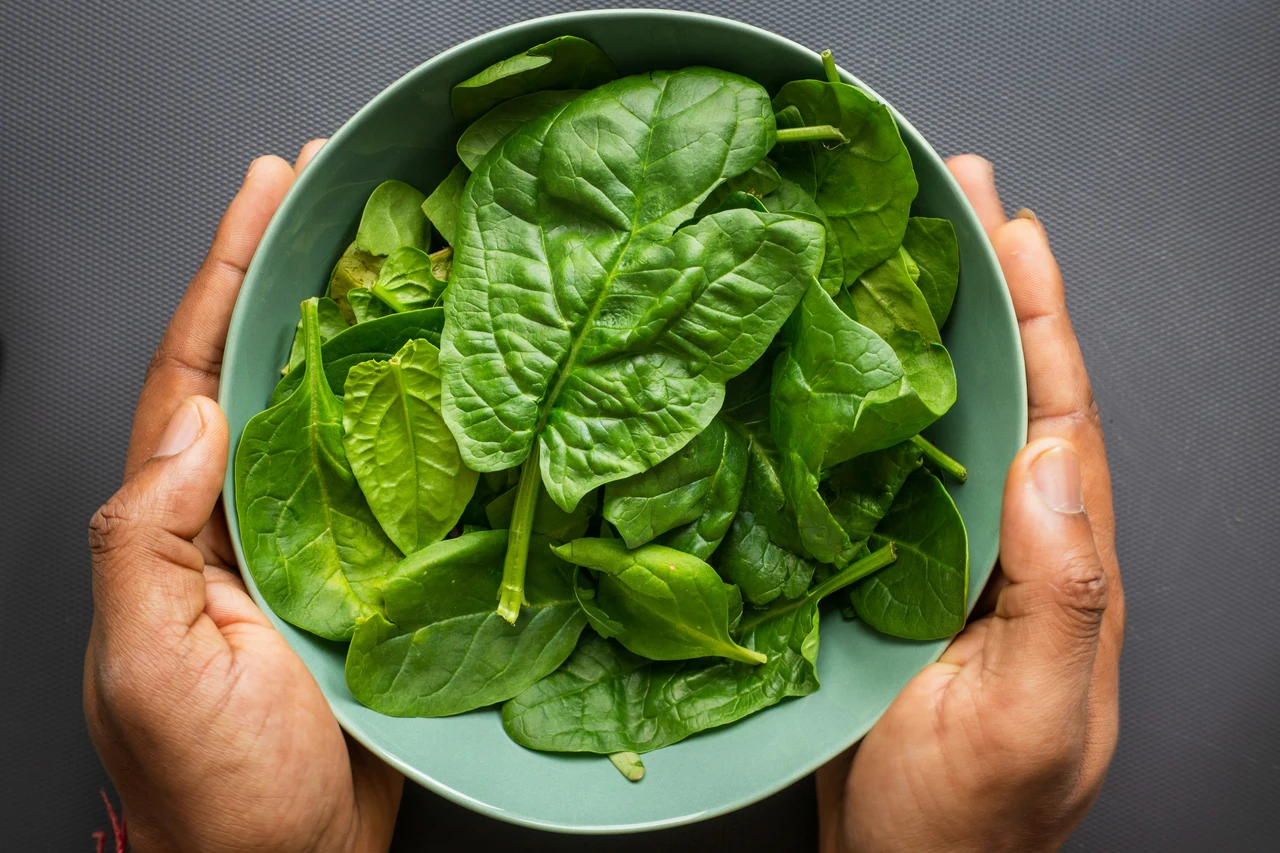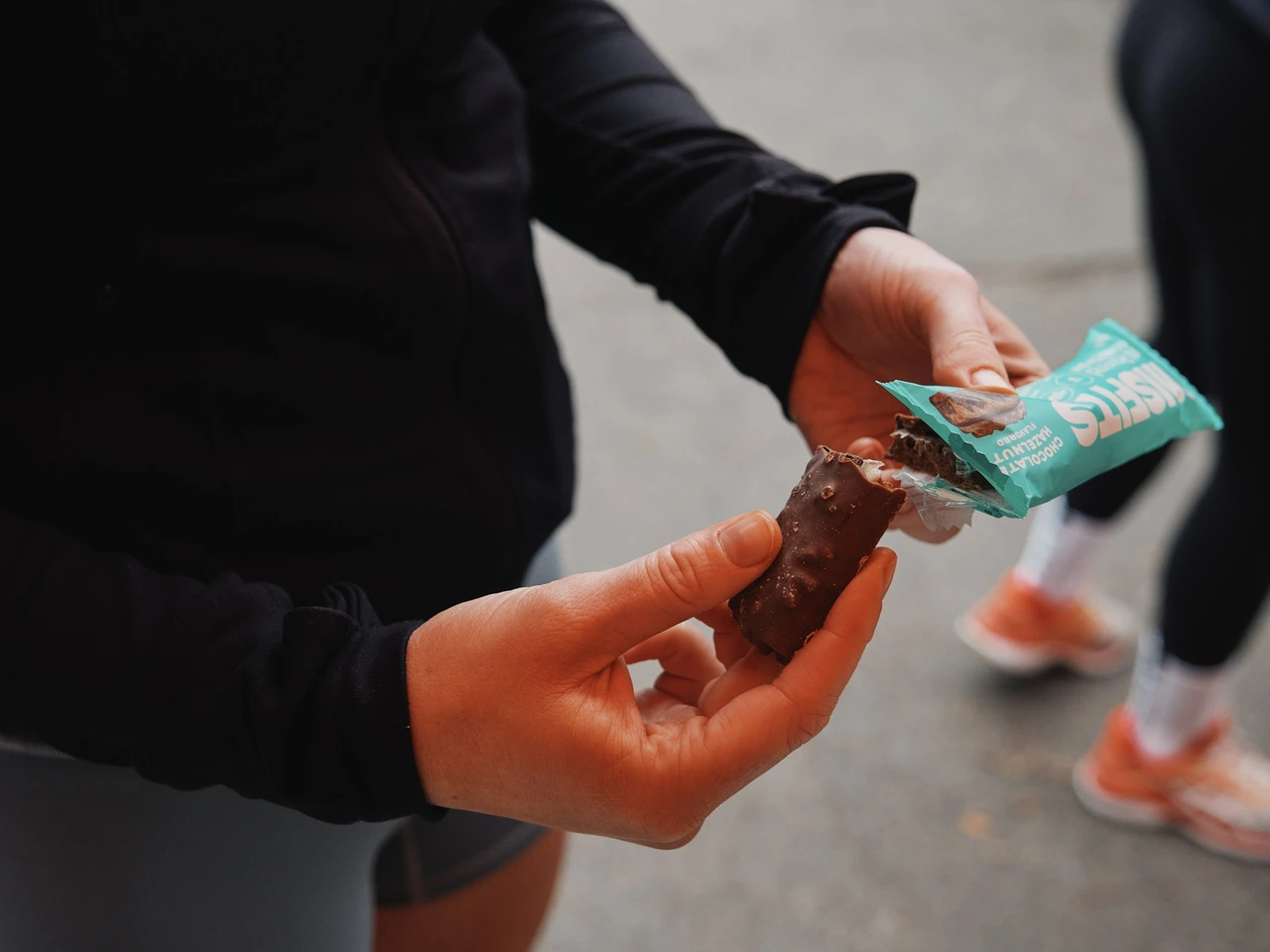
When your training volume ramps up, so do your energy needs. That’s where energy-dense foods come in. These foods pack a high number of calories into relatively small portions, making it easier to fuel properly without feeling overly full.
For runners, that’s a big advantage. You can meet your energy demands, support recovery, and maintain weight or muscle mass, all without having to constantly eat large volumes of food.
It’s worth noting that not all high-calorie foods are created equal. The goal is to focus on options that are both energy-dense and nutrient-dense: foods that provide not just calories, but also vitamins, minerals, and healthy fats.
What are energy-dense foods?
Energy density simply refers to how many calories a food contains relative to its weight.
Foods like vegetables and fruits with high water content tend to be low in energy density. On the other end, foods higher in fat (like oils, nuts, and certain fish) pack more calories into smaller servings.
For runners, both have their place, but energy-dense foods become especially useful when:
- Training volume is high
- Appetite is low
- You’re struggling to meet calorie needs
- You need convenient, portable fuel
1. Extra virgin olive oil
Olive oil is one of the most calorie-dense foods you can eat, and it’s an easy way to increase your energy intake without adding bulk to your meals.
Beyond calories, it provides healthy monounsaturated fats and antioxidants, which may help reduce inflammation from training and support recovery. It’s also been linked to heart health benefits and overall longevity.
You don’t need much. Just adding it to salads, pasta, or roasted vegetables can quickly boost your intake.
2. Dried fruit
Dried fruits like raisins, dates, and prunes are a go-to for runners. Removing the water content concentrates both the calories and nutrients, making them an efficient source of carbohydrates.
They’re:
- Easy to carry
- Quick to eat
- High in carbs for energy
They also contain fibre, potassium, and antioxidants, which support overall health. Just keep in mind they can be quite concentrated, so pairing them with water helps digestion, especially during or after runs.
3. Fatty fish
Fatty fish are a powerful combination of calories, protein, and omega-3 fats.
These omega-3s are particularly useful for runners because they may help reduce inflammation and support recovery. Fish like herring also provide vitamin D and B12, both of which play roles in energy production and muscle function.
Adding these to meals post-run can support both recovery and long-term health.
4. Nuts (especially macadamias)
Nuts are a staple for runners, and macadamia nuts are among the most energy-dense of them all.
They’re rich in healthy fats, along with smaller amounts of protein and fibre. This makes them ideal for:
- Snacking between meals
- Adding to oatmeal or yogurt
- Boosting calorie intake without much effort
They also contain important micronutrients that support metabolism and overall health.
5. Avocado
Avocados are unique among fruits because they’re high in fat rather than carbohydrates. This makes them more calorie-dense and highly satiating.
They provide:
- Healthy fats
- Fibre
- Potassium and other micronutrients
They’re easy to incorporate into meals and can help round out your overall nutrition.
6. Cacao nibs
Cacao nibs are a minimally processed form of chocolate, offering a dense source of calories along with antioxidants.
They’re rich in flavonoids, which may help combat oxidative stress caused by intense training. They also provide fibre and minerals like magnesium and iron.
Their slightly bitter taste makes them a good addition to things like oatmeal, smoothies, or yogurt.
The Bottom Line
Energy-dense foods aren’t something runners should avoid, they’re often exactly what you need.
They make it easier to meet the demands of training, support recovery, and keep your energy levels consistent. The key is choosing foods that offer both calories and nutrients, and using them strategically alongside lower-energy foods to build a balanced diet.
As always, what works best will depend on your training, appetite, and personal preferences.
Ready to take the next step with your running? Whether you're aiming for your first finish line or chasing a new PB, our expert-led training plans can help you train smarter and stay consistent. Explore our 5K, 10K, half marathon and marathon training plans to find the right fit for your goal.