You might think of iron as something you lift in the gym, but it’s just as important inside your body. Iron plays a key role in helping red blood cells carry oxygen to your muscles, which is especially important for runners. It also supports your immune system, energy levels, and even cognitive performance.
If you’re low on iron, you’ll feel it. Fatigue, breathlessness, and poor performance are all common signs, none of which pair well with training.
The challenge is that getting enough iron isn’t always straightforward. Adult men typically need around 8mg per day, while women aged 19–50 need closer to 18mg. If you follow a plant-based diet, your needs may be even higher because plant-based iron is harder for the body to absorb.
Heme vs non-heme iron (and why it matters)
Not all iron is created equal.
There are two types:
- Heme iron, found in animal products like meat and seafood
- Non-heme iron, found in plant foods and fortified products
Heme iron is absorbed much more efficiently by the body. Non-heme iron can still be a great source, but you need to eat more of it, and absorption can vary.
A simple trick: pairing non-heme iron with vitamin C (like citrus fruits, berries, or peppers) can significantly boost absorption.
Iron-rich foods to add to your diet
You don’t need to rely on red meat to hit your iron targets. There are plenty of options that can help.
Oysters
Oysters are one of the most iron-rich foods you can eat. A small serving (around 3 ounces) delivers roughly 8mg of iron, often more than red meat.
They’re also packed with zinc and selenium, which support immune health and recovery. If you enjoy seafood, they’re one of the most efficient ways to boost iron intake.
White beans
Half a cup of white beans provides around 4mg of iron, along with a healthy dose of fibre and plant-based protein.
They’re incredibly versatile and particularly useful for runners following a vegetarian or plant-based diet. Pair them with something like lemon juice or tomatoes to improve absorption.
Blackstrap molasses
It’s not the most obvious option, but blackstrap molasses is surprisingly nutrient-dense. Just one tablespoon contains around 3–4mg of iron.
It also provides calcium, magnesium, and antioxidants. Try adding it to oatmeal, smoothies, or even baked goods for a subtle boost.
Tofu
Tofu is a staple for plant-based runners, and for good reason. Half a cup contains roughly 3mg of iron, along with complete protein.
It’s also low in saturated fat and easy to incorporate into a wide range of meals, from stir-fries to salads.
Spinach
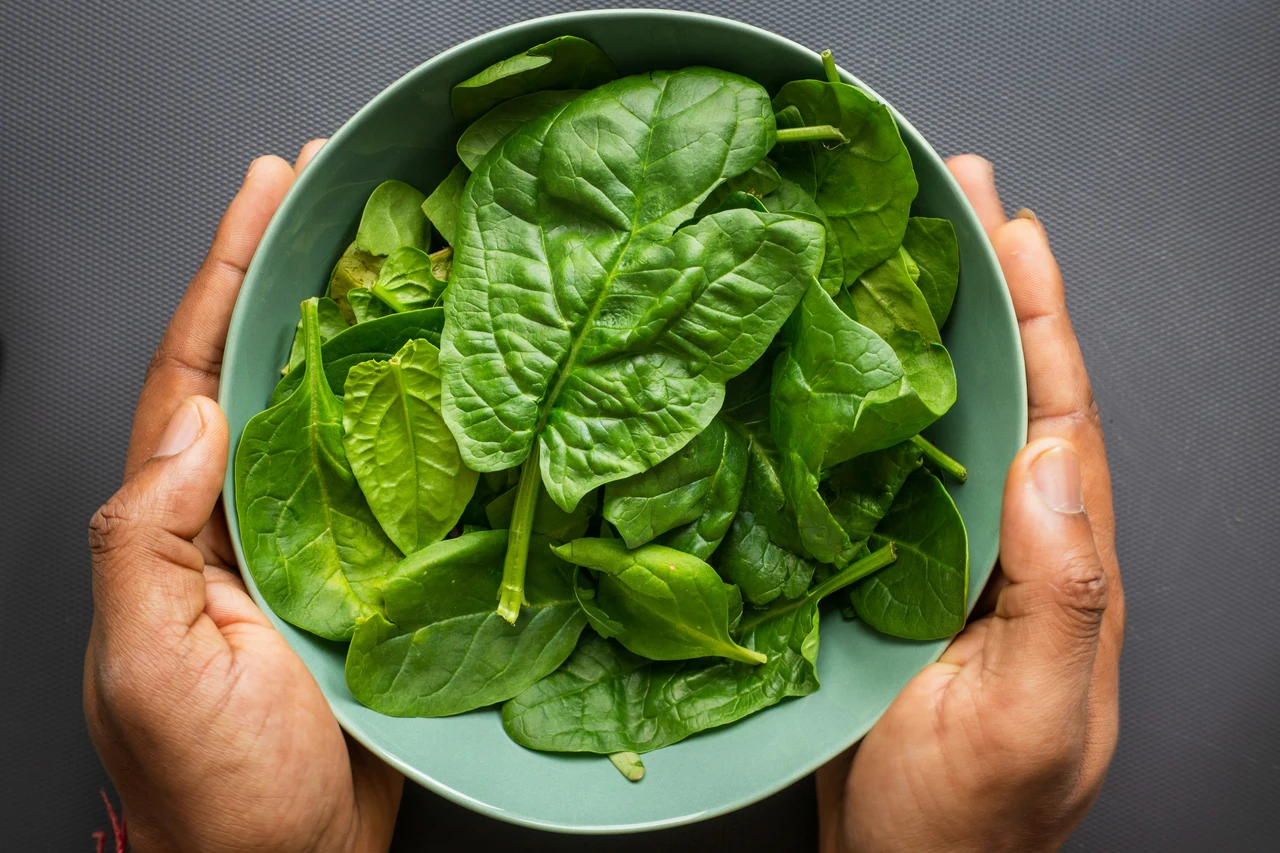
Spinach is often associated with iron, and while it’s not as absorbable as animal sources, it still contributes meaningfully. A half-cup of cooked spinach provides about 3mg of iron.
It’s also rich in vitamins and minerals, making it a strong all-round addition to your diet. As with other plant sources, pairing it with vitamin C helps maximise absorption.
Chia seeds
Chia seeds might be small, but they pack a nutritional punch. One ounce contains around 2mg of iron, along with fibre and omega-3 fatty acids.
They’re easy to add to yogurt, oats, or smoothies, and require no preparation.
Cacao nibs and cocoa powder
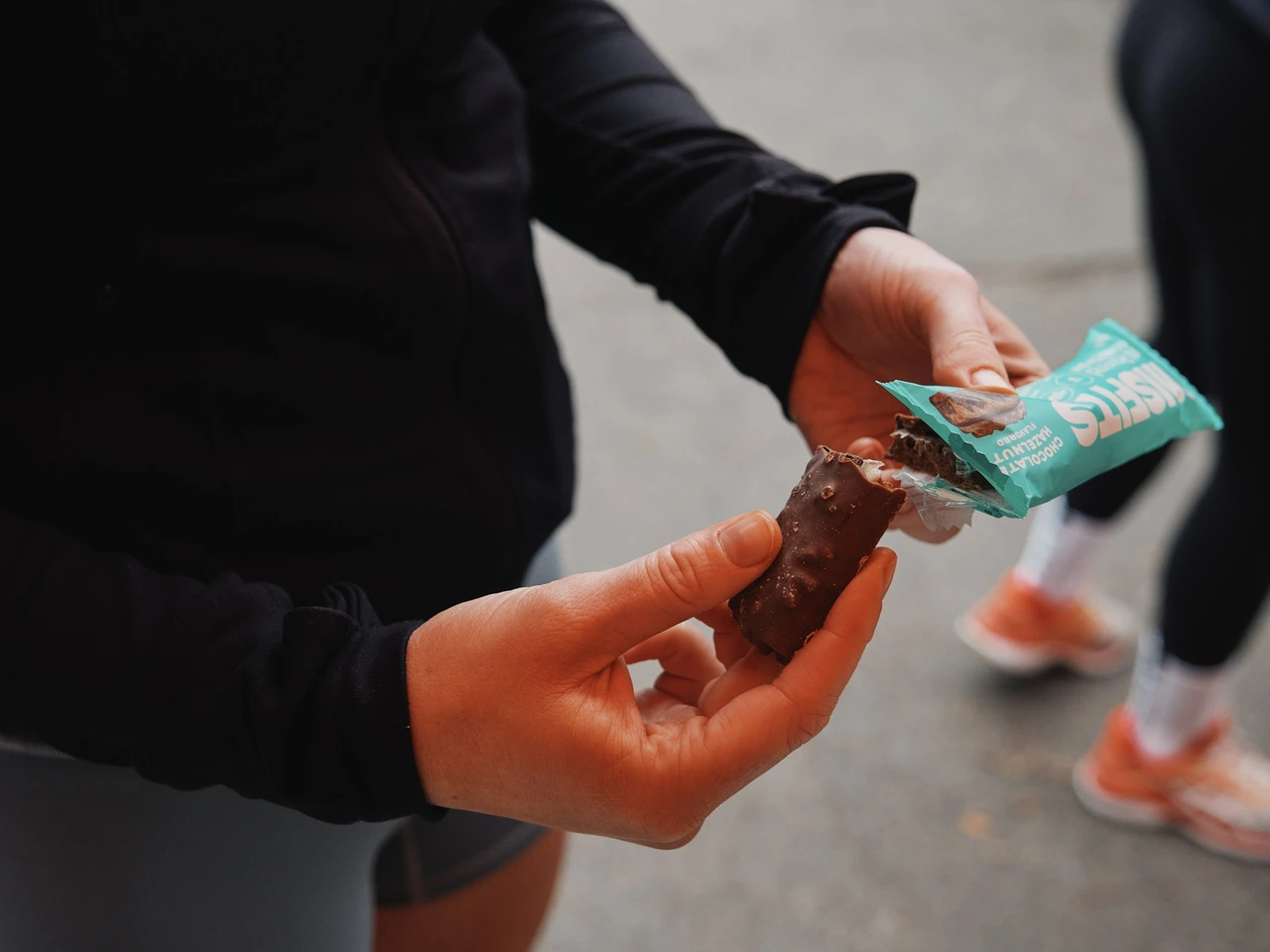
Good news if you’ve got a sweet tooth: cacao products can contribute to your iron intake too. A serving of cacao nibs or cocoa powder can provide a significant amount of non-heme iron.
They also contain antioxidants and minerals like magnesium, making them a useful (and enjoyable) addition to things like porridge or smoothies.
How to improve iron absorption
Getting enough iron isn’t just about what you eat. It’s also about how you eat it.
A few simple strategies can make a big difference:
- Pair plant-based iron sources with vitamin C-rich foods (like citrus, berries, or peppers)
- Avoid drinking tea or coffee with meals, as they can inhibit absorption
- Include a mix of heme and non-heme sources where possible
- Spread your intake across the day rather than relying on one meal
These small tweaks can significantly increase how much iron your body actually uses.
The Bottom Line
Iron is essential for runners. It supports oxygen delivery, energy production, and overall performance, so even a mild deficiency can hold you back.
The good news is that you don’t need to rely on red meat to get enough. A mix of foods like beans, tofu, leafy greens, seeds, and seafood can help you meet your needs.
Focus on variety, combine foods smartly, and stay consistent, that’s what keeps your iron levels (and your running) in a strong place.
Ready to take the next step with your running? Whether you're aiming for your first finish line or chasing a new PB, our expert-led training plans can help you train smarter and stay consistent. Explore our 5K, 10K, half marathon and marathon training plans to find the right fit for your goal.