

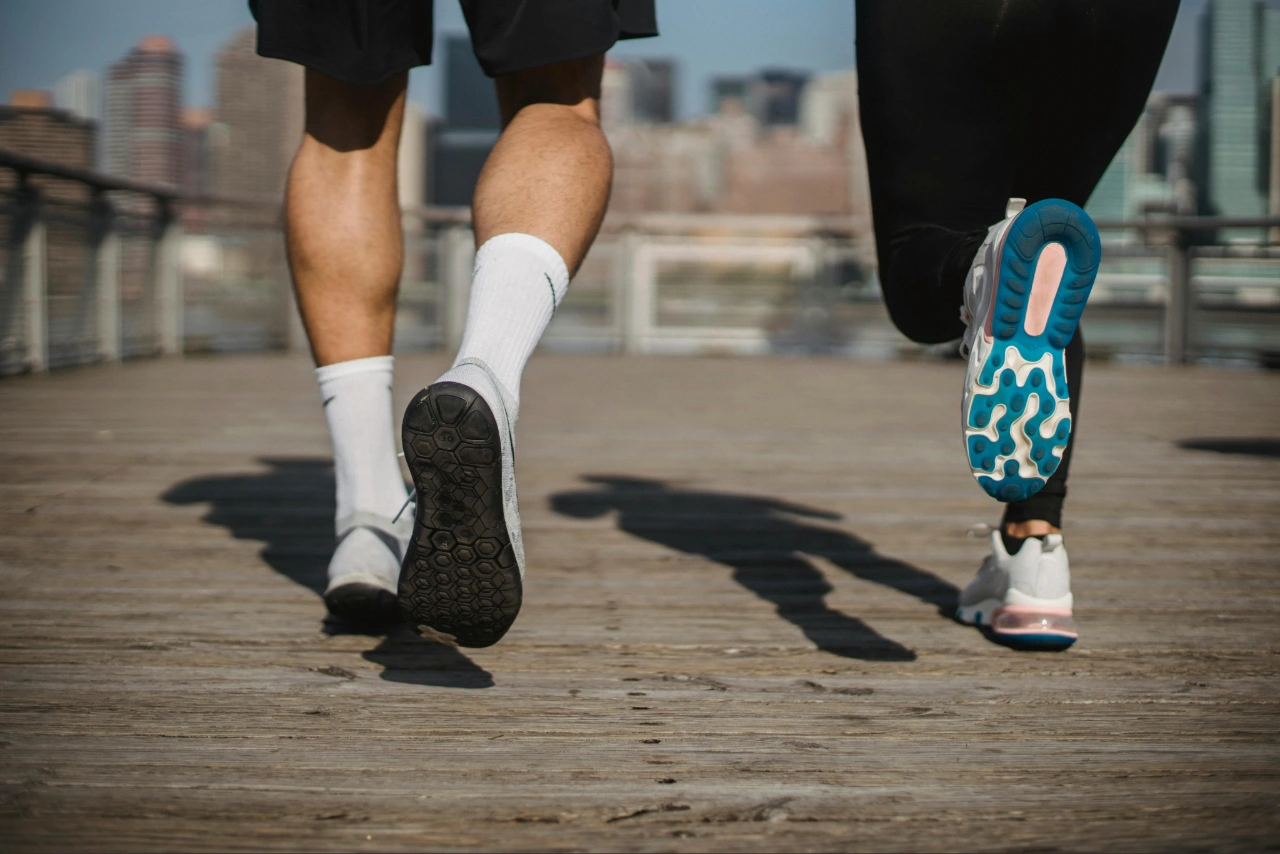
What are flat feet? And how does this affect your running?
Flat feet, also known as low or fallen arches, simply mean your arch lowers or flattens when you stand or run. It’s incredibly common, affecting around 20 - 30% of adults, and plenty of runners with flat feet train and race completely pain-free.
So, having flat feet isn’t automatically a problem. The key is how they respond under the demands of running. Do you feel stable and comfortable? Or do you deal with arch fatigue, shin splints, or knees that ache after longer miles?
If you’re running happily without pain, you likely don’t need to change anything. But if your arches are contributing to discomfort or recurring niggles, the right pair of shoes can make a huge difference, helping you feel more stable, more efficient, and more confident on every run.
How to Support Flat Feet
Flat feet are common in runners and aren’t inherently a problem, but they can be associated with increased pronation, which may affect ankle, knee, and lower-leg loading if not well controlled. Rather than trying to “fix” your arch, focus on strengthening your feet and hips, and choosing comfortable, supportive shoes that feel stable for you. If you’re running pain-free, there’s usually no need to correct anything. Flat feet only need attention when they’re linked to recurring injuries or discomfort.
What Flat-Footed Runners Should Look for in a Shoe
- A stable base: Look for a wider platform through the heel and midfoot. A broader base reduces wobbling and helps prevent the arch from collapsing inward under load.
- Guided support: Modern stability features like sidewalls, guidance rails, or frame systems gently steer the foot instead of forcing it into position. This keeps your stride natural while adding structure where needed.
- Controlled cushioning: Extremely soft foam can allow the arch to sink too much. Aim for cushioning that feels stable and supportive rather than overly squishy.
- Secure heel counter: A firm heel counter helps limit excess rearfoot movement, often where overpronation begins.
- A roomy fit: Flat feet often splay more on impact, so a wide toe box or wide-fit option can improve comfort and reduce pressure through the forefoot.
Stability vs Motion Control Shoes: What’s the Difference?
Stability shoes
Stability shoes are designed for mild to moderate overpronation. They feel similar to neutral shoes but provide extra structure to keep your foot aligned during your stride. For most flat-footed runners, this is the sweet spot.
Motion control shoes
Motion control shoes are built for more severe overpronation. They tend to have a straighter shape, wider base, and firmer feel to significantly limit inward rolling.
Best Stability Running Shoes for Mild to Moderate Flat Feet
Top stability options in 2026 include:
ASICS Gel-Kayano 32
.webp)
The ASICS Gel-Kayano 32, which offers adaptive guidance and plush cushioning for long miles. This shoe is highly recommended for flat-footed runners due to its advanced stability technology. Its reduced heel-to-toe drop and supportive midsole help maintain optimal foot positioning, making it ideal for those who need support on the road or during long-distance running
Brooks Adrenaline GTS 25
%20(1).webp)
The Brooks Adrenaline GTS 25, a reliable daily trainer that uses guide rails to support the foot without feeling intrusive. Instead of a traditional medial post, it uses Brooks’ GuideRails system, which supports the foot (and knee) only when it moves outside its natural path. That makes it feel less intrusive than older-style stability shoes.
Compared to the Kayano, the Adrenaline has a slightly firmer, more grounded feel and a more traditional ride. It’s not as plush, but it’s lighter on the foot and extremely versatile for everyday training.
Saucony Guide 18
.webp)
The Saucony Guide 18, a lighter, smoother option for runners who want subtle stability and the most subtle option in this group. It uses a broader midsole geometry and supportive sidewalls rather than heavy posting, giving it a smooth and fluid ride.
It feels closer to a neutral shoe than the Kayano or Adrenaline, with softer transitions and less structured control. The stability is there, but it’s more gentle and less noticeable underfoot.
If you have mild flat feet or only slight overpronation, this can be a great option that doesn’t feel overbuilt.
Maximum Support Running Shoes for Severe Flat Feet
HOKA Gaviota 6
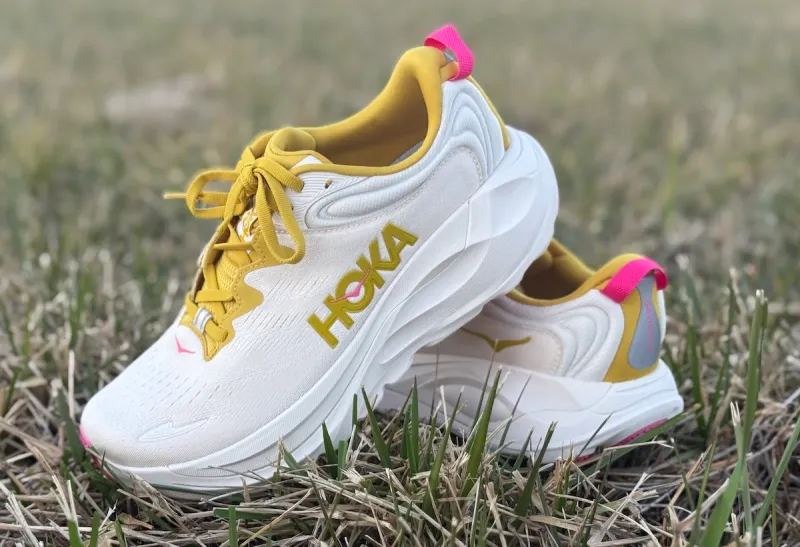
The HOKA Gaviota 6 is built for runners who want strong stability. It uses HOKA’s H-Frame™ support system, a structured frame that wraps around the midsole to guide the foot and limit excessive inward rolling.
Unlike traditional motion-control shoes that rely on dense medial posts, the Gaviota provides stability through its wide base and structured geometry. It still delivers the signature HOKA cushioning, so despite its strong support, it feels protective and relatively smooth underfoot.
Compared to other maximum-support shoes, the Gaviota feels more modern and cushioned rather than rigid and heavy.
Brooks Beast (Men) / Brooks Ariel (Women)
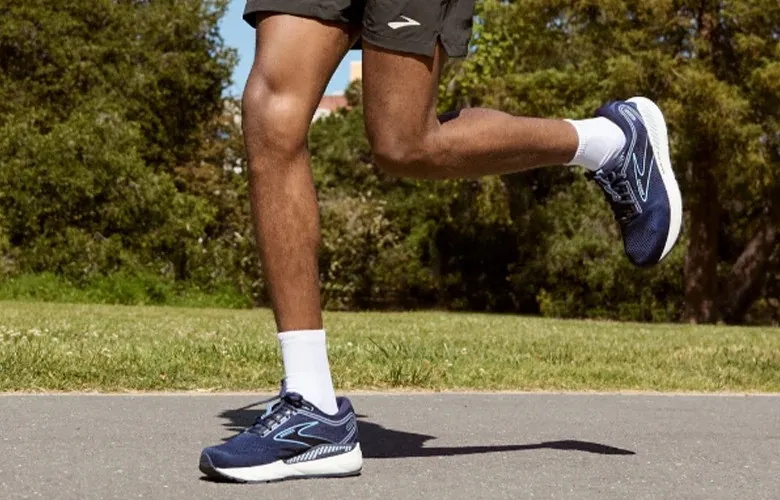
The Brooks Beast (men’s) and Brooks Ariel (women’s) are among the most structured stability shoes available. They combine a wide, straight platform with dense midsole foam and Brooks’ GuideRails® system to significantly reduce inward rolling.
Where the Gaviota uses frame-based guidance, the Beast/Ariel feels more traditionally structured. The base is broad and grounded, the midsole is firmer, and the heel counter is notably solid. The upper also feels secure and supportive, helping lock the foot in place throughout the gait cycle.
This creates a very controlled ride, less soft and flowing than the Gaviota, but extremely stable and consistent.
This shoe is best for runners with severe overpronation, very flat feet, or a history of recurring injuries who want maximum structure and support.
Running Insoles for Flat Feet?
Insoles can be a helpful addition for runners with flat feet, but they aren’t a must for everyone.
If you’re running comfortably, staying injury-free, and handling your mileage without issues, a good stability shoe is often all you need. Insoles tend to make more sense if you’re dealing with recurring injuries, noticeable arch collapse, or persistent foot fatigue. They can add an extra layer of tailored support, especially useful if you already love your current shoes but need a bit more structure.
For more complex or ongoing issues, custom orthotics prescribed by a podiatrist are the gold standard. But for many runners with moderate support needs, a quality over-the-counter insole can provide plenty of added stability without overcomplicating things.
Ready to take the next step with your running?
Whether you're aiming for your first finish line or chasing a new PB, our expert-led training plans can help you train smarter and stay consistent. Explore our 5K, 10K, half marathon and marathon training plans to find the right fit for your goal.


.webp)
.webp)
.webp)
.webp)