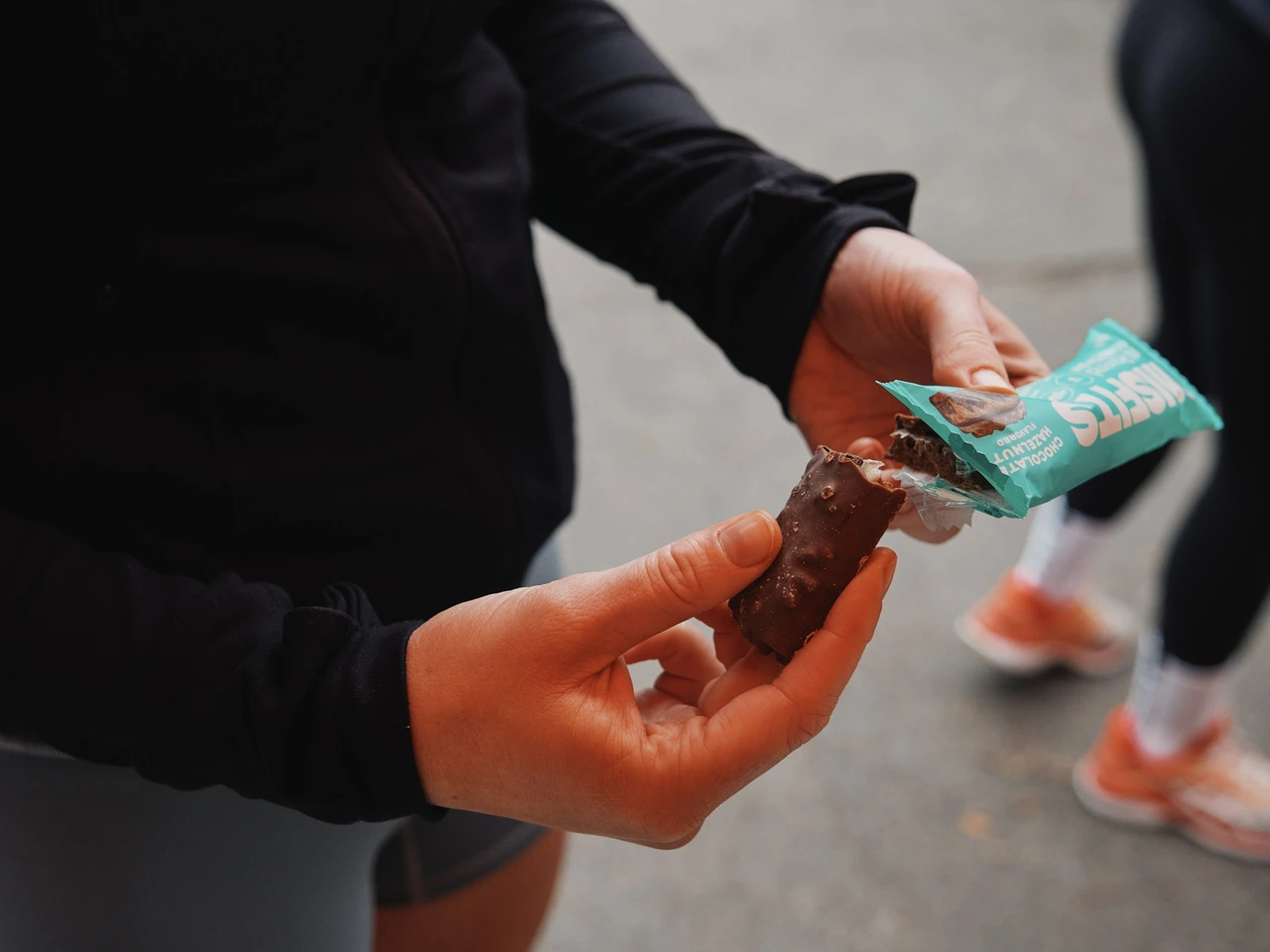
If you’re training for a half marathon, marathon, or longer race, energy gels are one of the simplest and most effective ways to fuel while running. These small, portable packets contain easily digestible carbohydrates that help keep your energy levels stable when your body starts to run low on fuel.
During longer runs, your body gradually uses up its glycogen stores, the carbohydrates stored in your muscles and liver. Once those stores run low, fatigue quickly sets in. Energy gels provide a fast source of carbohydrates that your body can absorb quickly, helping you maintain pace and performance.
With dozens of options on the market, though, choosing the right gel can feel overwhelming. Different gels vary in ingredients, texture, caffeine content, and digestibility. Below is a guide to some of the best energy gels for runners, along with tips on how to choose the right one for you.
Best Overall: Hüma Chia Energy Gel
Hüma gels are widely considered one of the most runner-friendly options thanks to their natural ingredients and gentle digestion. Instead of relying purely on synthetic sugars, these gels include chia seeds, which provide a mix of carbohydrates, amino acids, and small amounts of fat.
Many runners find Hüma gels easier on the stomach than thicker, more sugary alternatives. They’re also available in both caffeinated and non-caffeinated versions, making them flexible for different types of runs.
Key features
- Around 20–22g of carbohydrates per gel
- About 100 calories
- Optional caffeine (20–25mg)
- Contains essential amino acids
The texture is slightly thicker due to the chia seeds, which some runners love and others take time to get used to.
Best for Steady Energy: UCAN Edge Energy Gel
UCAN Edge gels take a different approach to fueling. Instead of fast-acting sugars, they rely on a slow-release carbohydrate source designed to provide steadier energy over time.
This can help avoid the rapid spikes and crashes sometimes associated with traditional gels. Many runners also report fewer stomach issues, making it a good option if you struggle with digestibility.
Key features
- Around 19g of carbohydrates
- 70–100 calories
- Around 75mg caffeine in some flavors
- Includes vitamin C
These gels are slightly thinner than traditional gels, which some runners find easier to swallow during hard efforts.
Best Unflavoured Gel: Maurten Gel 100
Maurten gels have become extremely popular among elite and recreational marathon runners. They use a hydrogel technology that encapsulates carbohydrates in a gel structure designed to aid absorption in the stomach.
The Gel 100 contains 25g of carbohydrates, making it one of the higher-carb options available. It’s also mostly unflavoured, which can be helpful during long races when sweet flavours become overwhelming.
Key features
- 25g of carbohydrates
- 100 calories
- Neutral flavour
- Minimal ingredients
Maurten gels tend to be more expensive than most competitors, but many runners find the consistency and digestibility worth the price.
Best Natural Option: Untapped Maple Syrup Energy Gel
Untapped gels use organic maple syrup as their primary carbohydrate source. Maple syrup naturally contains simple sugars along with small amounts of electrolytes and antioxidants.
The flavour profile is more subtle than many fruit-based gels, which can make them easier to consume during long races.
Key features
- 26g carbohydrates from maple syrup
- Around 100 calories
- Optional caffeine in coffee flavour
- Organic ingredients
For runners who prefer simple, natural ingredients, these gels are a popular alternative to highly processed formulas.
Best Honey-Based Gel: You Again Super Honey Energy Gel
Honey has long been used by endurance athletes as a natural source of carbohydrates. Super Honey gels build on that concept by combining raw honey with electrolytes.
The flavour is slightly salty-sweet, which can actually feel refreshing during longer runs, particularly in hot conditions.
Key features
- 16g carbohydrates
- 60 calories
- 250mg sodium
- No caffeine
Because these gels contain slightly fewer calories than most, some runners use them more frequently during long efforts.
Best Flavoured Gel: High5 Energy Gel Plus
High5 gels are known for their lighter texture and fruit-juice flavours, which many runners find easier to consume when fatigue sets in.
They also contain caffeine and electrolytes, making them a good option for longer races where both energy and hydration support matter.
Key features
- Around 23g carbohydrates
- 90 calories
- 30–35mg caffeine
- Added electrolytes
The flavour is noticeably sweeter than some other gels, so it’s worth testing in training first.
What to Look for When Choosing an Energy Gel
Not every gel works well for every runner. Several factors affect how well a gel performs during training or racing.
Carbohydrate source
Most gels rely on glucose, fructose, or maltodextrin. Some natural options use honey or maple syrup instead. Different carb blends can affect both absorption rate and stomach comfort.
Caffeine content
Some gels include caffeine, which may improve focus and reduce perceived effort. However, caffeine tolerance varies, so it’s important to test it during training before race day.
Texture and flavour
Some gels are thick and syrup-like, while others are more liquid. A texture that’s easy to swallow while breathing hard can make a big difference.
Digestibility
The best gel is one that your stomach tolerates well. Always test gels during long runs before relying on them in a race.
Ease of use
Look for packaging that’s easy to open while running, especially with sweaty hands.
How Many Energy Gels Should You Take?
For longer runs and races, many sports nutrition guidelines recommend consuming 30–60 grams of carbohydrates per hour of exercise.
Since most gels contain around 20–25g of carbohydrates, this typically works out to one gel every 30–45 minutes during longer efforts.
However, fueling strategies vary depending on pace, body size, and race distance. The most important rule is simple: practice your fueling during training, not on race day.
Ready to take the next step with your running? Whether you're aiming for your first finish line or chasing a new PB, our expert-led training plans can help you train smarter and stay consistent. Explore our 5K, 10K, half marathon and marathon training plans to find the right fit for your goal.