Protein is one of the most important nutrients for runners. It helps repair muscle damage, supports recovery after hard workouts, and contributes to overall health and performance.
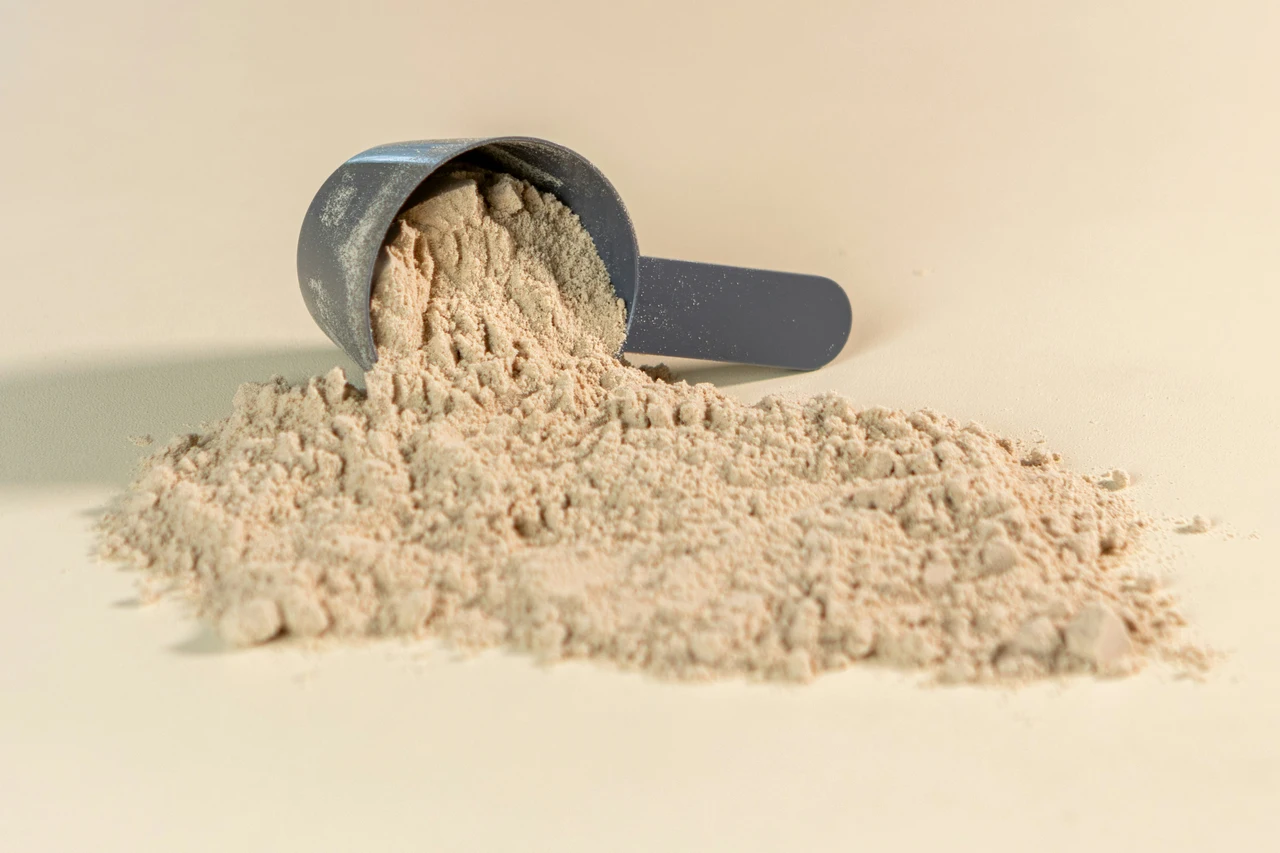
While many runners get enough protein through whole foods like meat, eggs, dairy, beans, and legumes, protein powders can be a convenient way to boost your intake, especially during heavy training blocks or when you need quick recovery nutrition after a run.
Below, we break down some of the best protein powders for runners and explain what to look for when choosing one.
Do runners actually need protein powder?
The recommended daily protein intake for the general population is 0.8 grams per kilogram of body weight (about 0.36 grams per pound).
However, endurance athletes typically need more to support training and recovery. Research suggests runners should aim for roughly:
1.3–1.7 grams of protein per kilogram of body weight per day
Some athletes may require even more during intense training phases.
That said, protein powders are not essential. Many runners meet their protein needs through regular meals. Supplements are simply a convenient option when whole foods aren’t practical.
For example, a protein shake can be an easy recovery option after a long run or hard workout.
Best Protein Powders for Runners
Garden of Life Organic Vegan Sport Protein
Best plant-based protein powder
Garden of Life’s Organic Vegan Sport Protein is one of the most popular plant-based powders for endurance athletes.
It combines several plant proteins to create a complete amino acid profile and includes probiotics that may support digestion.
Key features
- 30g protein per serving
- Plant-based protein blend
- Certified organic ingredients
- Includes probiotics
The powder mixes best in smoothies or plant-based milk rather than plain water.
Optimum Nutrition Gold Standard Whey
Best whey protein powder
Optimum Nutrition’s Gold Standard is one of the most widely used whey protein powders on the market.
It combines whey isolate, concentrate, and peptides to provide a fast-digesting protein source ideal for post-run recovery.
Key features
- 24g protein per serving
- Whey protein blend
- Informed Choice certified
- Wide range of flavours
Because it’s dairy-based, it may not be suitable for runners with lactose intolerance.
Ritual 18+ Vegan Protein Powder
Best sustainably sourced protein
Ritual’s vegan protein powder focuses on transparency and ingredient sourcing.
The formula uses pea protein grown in the United States and is rigorously tested to confirm protein content and purity.
Key features
- 20g protein per serving
- Pea protein source
- Informed Protein certified
- Sustainably sourced ingredients
The main downside is limited flavour options.
AGN Roots Grass-Fed Whey Protein
Best grass-fed whey protein
This unflavoured whey protein comes from grass-fed cows raised on small farms in Ireland. It’s a simple formula designed for runners who want high-quality protein without additional sweeteners or flavourings.
Key features
- 25g protein per serving
- Grass-fed whey
- Informed Sport certified
- No added sugar
Because it’s unflavoured, it works best when blended into smoothies or mixed with other ingredients.
Bob’s Red Mill Almond Protein Powder
Best simple ingredient option
If you prefer minimal ingredients, Bob’s Red Mill Almond Protein Powder contains just one: almond protein.
It’s versatile and can easily be added to smoothies, baked goods, or oatmeal.
Key features
- Plant-based almond protein
- Simple ingredient list
- Gluten-free
- Easy to add to recipes
However, almond protein is not a complete protein and contains fewer amino acids than whey or soy-based powders.
What to look for in a protein powder
With so many options available, it helps to understand what matters most when selecting a protein powder.
Type of protein
Different powders use different protein sources.
Whey protein
- Complete protein with all essential amino acids
- Fast digestion
- Excellent for post-run recovery
Pea protein
- Popular plant-based option
- High protein content
- Vegan-friendly
Soy protein
- Complete plant protein
- Comparable amino acid profile to whey
Protein blends
- Combine several plant proteins for a balanced amino acid profile.
Serving size and protein content
Protein powders vary widely in how much protein they provide.
Some servings deliver 20–25 grams of protein, while others provide 30 grams or more.
Always check the serving size; some products require two scoops to reach the advertised protein amount.
Certifications and testing
Protein powders are supplements, which means they are not tightly regulated.
Look for powders that have been tested by third-party organisations such as:
- NSF Certified for Sport
- Informed Sport
- Informed Choice
- USP
These certifications confirm that products are free from banned substances and accurately labelled.
Ingredients
Many powders include added ingredients such as:
- vitamins and minerals
- probiotics
- sweeteners
- so-called “superfoods”
These extras aren’t always necessary. Many runners prefer products with shorter ingredient lists.
When should runners take protein?
For recovery, protein is most useful within about two hours after a workout.
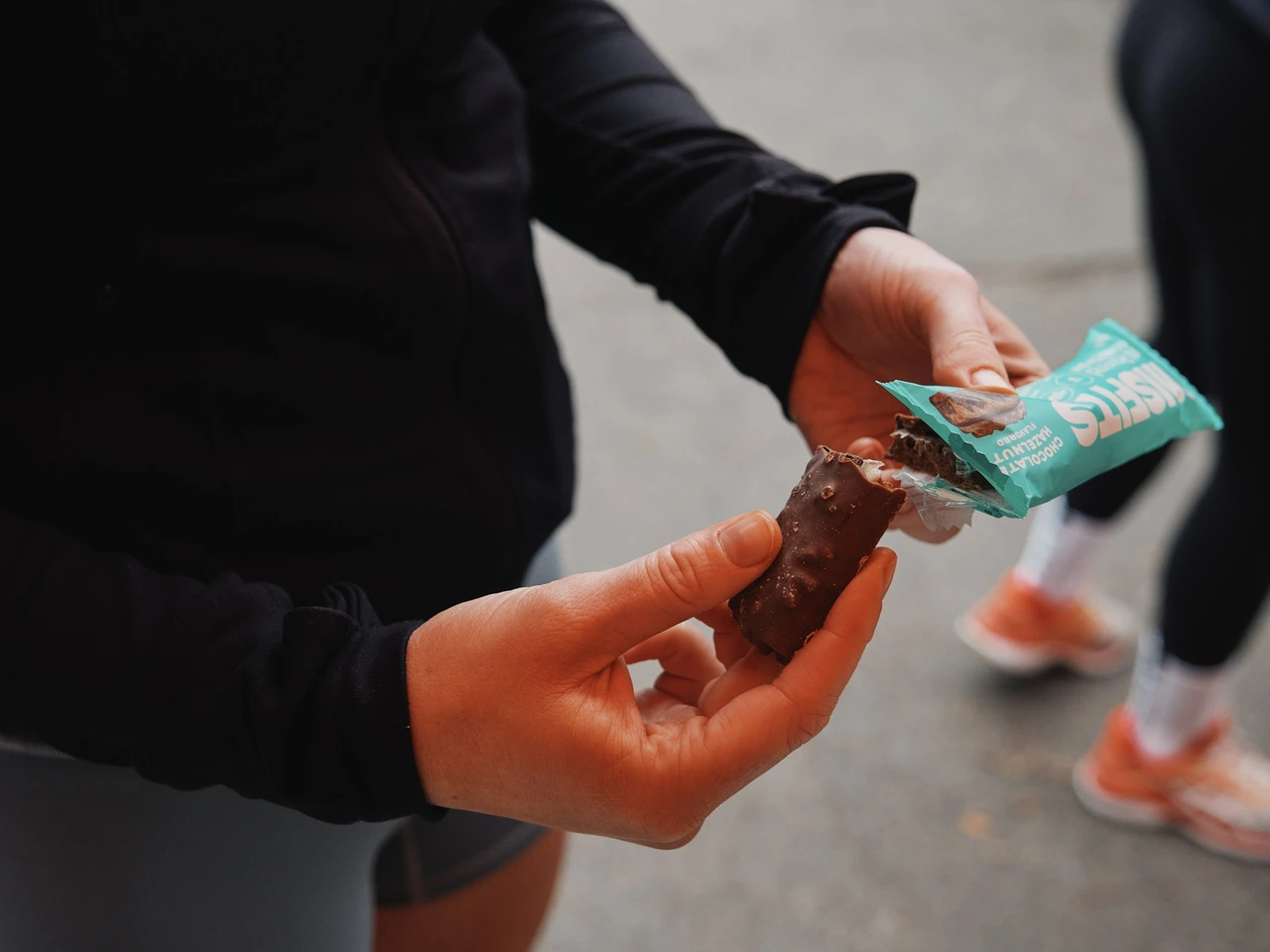
A post-run snack containing both protein and carbohydrates helps repair muscle damage and replenish glycogen stores.
It’s also beneficial to spread protein intake throughout the day rather than consuming it all at once.
The bottom line
Protein powders can be a convenient way for runners to support recovery and meet their daily protein needs, especially during heavy training periods.
However, they are not essential. Many runners can meet their protein requirements through whole foods alone.
If you choose to use a protein powder, focus on:
- high protein content
- simple ingredients
- reputable third-party certification
- a flavour and texture you enjoy
The best protein powder is ultimately the one that fits your diet, preferences, and training routine.
Ready to take the next step with your running? Whether you're aiming for your first finish line or chasing a new PB, our expert-led training plans can help you train smarter and stay consistent. Explore our 5K, 10K, half marathon and marathon training plans to find the right fit for your goal.