

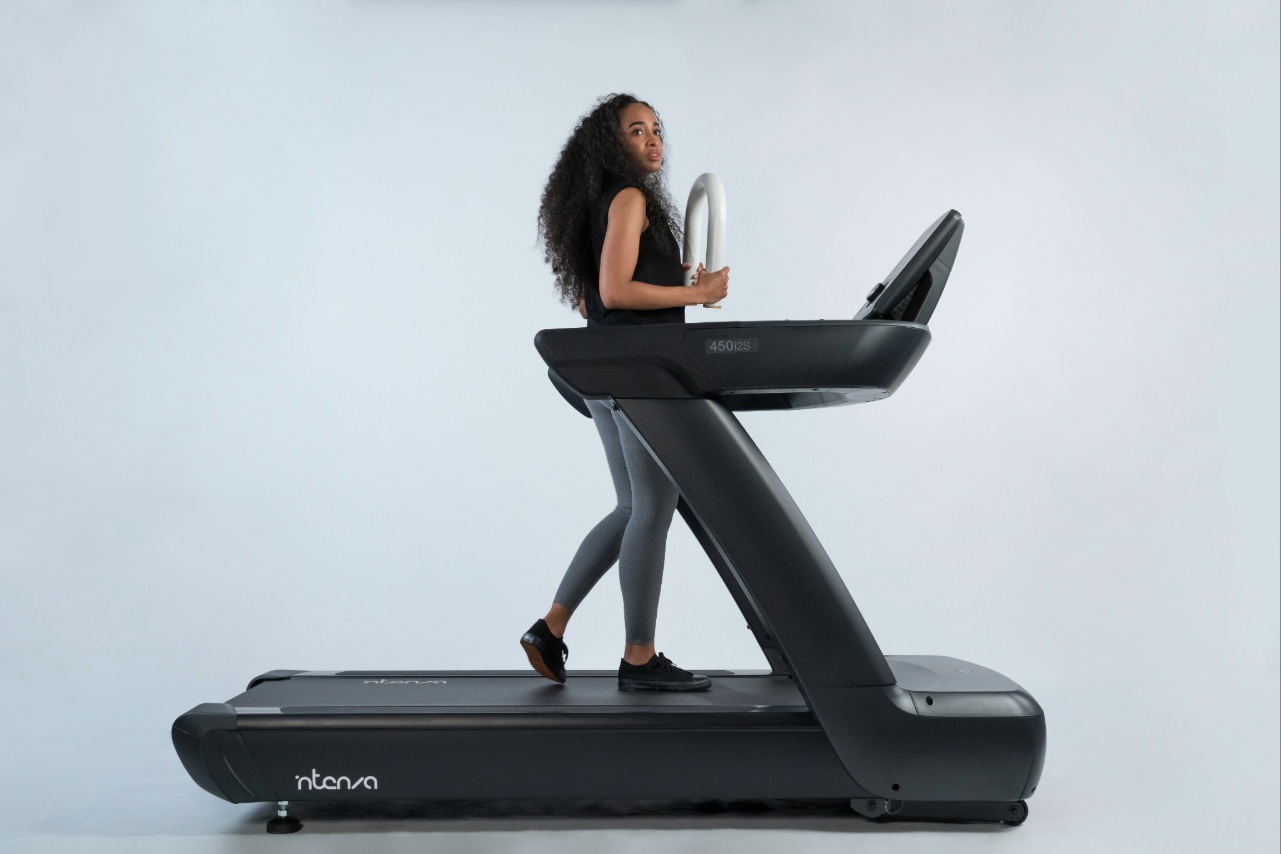
Hometrainers zijn echt een belangrijk onderdeel geworden van hoe veel hardlopers trainen. Ze helpen hardlopers om hun trainingen rond hun werk te plannen, ook bij slecht weer te blijven trainen en trainingen zoals intervallen en hellingloopjes te doen. Of je nou traint voor een race, een gestructureerd trainingsschemavolgt, of gewoon consistent wilt blijven hardlopen, de juiste loopband kan een groot verschil maken voor je motivatie en je vooruitgang op de lange termijn.
Nu we 2026 naderen, zijn loopbanden geavanceerder, stiller en meer op hardlopers gericht dan ooit, maar met zoveel modellen op de markt kan het lastig zijn om te weten in welke het echt de moeite waard is om te investeren.
Om je te helpen de juiste te vinden, hebben we de beste loopbanden voor 2026 op een rijtje gezet, ingedeeld per categorie en uitgelegd voor wie elke optie het meest geschikt is.
Waarom zou je ons vertrouwen?
Runna is er om mensen te helpen slimmer te trainen, beter te bewegen en vol te houden. We weten hoe belangrijk de juiste spullen zijn voor je motivatie, comfort en vooruitgang op de lange termijn. Voor veel hardlopers is een loopband niet zomaar een alternatief; het is een belangrijk onderdeel van hun wekelijkse training, van makkelijke lopen en hersteltrainingen tot gestructureerde sessies met snelheid en heuvels.
Ons team leeft en ademt training en snapt wat echt belangrijk is als je binnen kilometers maakt. We passen dezelfde praktische, prestatiegerichte mentaliteit toe op de loopbanden die we aanbevelen. Elk model in deze gids heeft zijn plekje verdiend door een goede balans tussen loopgevoel, betrouwbaarheid en gebruiksgemak, en omdat het door hardlopers en gemeenschappen met betrekking tot conditie wordt gewaardeerd.
Hoe we hebben gekozen
We hebben elke loopband gekozen op basis van een mix van belangrijke prestatiespecificaties, hoe handig hij in het echt is en wat gebruikers erover zeggen, waarbij we ons hebben gericht op wat echt belangrijk is voor hardlopers. Bij onze beoordeling hebben we vooral gekeken naar het motorvermogen, de maximale snelheid, het hellingsbereik en de grootte van het loopvlak, maar ook naar de stabiliteit, het geluidsniveau, de demping en de algehele bouwkwaliteit.
We hebben ook gekeken naar praktische dingen zoals de voetafdruk, of het makkelijk op te vouwen is, hoe lang het meegaat, of je waar voor je geld krijgt, en we hebben de voordelen en nadelen van verschillende manieren van gebruik tegen elkaar afgewogen. Elke loopband in deze gids valt op door een duidelijke, praktische reden, zodat je een zelfverzekerde, weloverwogen keuze kunt maken.
Waarom het belangrijk is om de juiste loopband te kiezen
Eerst en vooral helpt de juiste loopband om het risico op blessures te verminderen. . Goede loopbanden zijn ontworpen met goede schokdemping en een stabiele beweging van de band, waardoor je gewrichten minder worden belast en je pas natuurlijk aanvoelt. Slechte of niet-geschikte loopbanden kunnen je knieën, heupen en enkels extra belasten of kleine veranderingen in je houding veroorzaken die na verloop van tijd steeds erger worden.
Het speelt ook een belangrijke rol in hoe effectief je training is. Of je nou makkelijke looppartijen doet, intervallen doet of heuveltrainingen, je loopband moet goed en consistent reageren. Betrouwbare snelheidsregeling, soepele hellingsveranderingen en genoeg kracht om zwaardere inspanningen aan te kunnen, zorgen ervoor dat je trainingen bij je trainingsschema passen - in plaats van dat je tegen de machine moet vechten.
Comfort en motivatie zijn net zo belangrijk. Een loopband die soepel, stil en stabiel aanvoelt, maakt hardlopen leuker, waardoor je het waarschijnlijk langer volhoudt. Als een loopband ongemakkelijk, luidruchtig of krap aanvoelt, kunnen zelfs korte runs als een hele klus voelen, waardoor het moeilijker wordt om vol te houden.
De juiste loopband moet ook bij je lichaam en je ruimte passen. Dingen als de lengte van de loopband, de breedte van het loopvlak en hoe stabiel het ding is, zijn vooral belangrijk voor langere of snellere hardlopers, terwijl de grootte, hoe hard het ding maakt en hoe je het kunt opbergen misschien meer tellen als je het thuis gebruikt. Een goede pasvorm zorgt ervoor dat je beter kunt rennen en je trainingen soepeler gaan.
Kortom, de juiste loopband zorgt ervoor dat je veiliger kunt rennen, beter kunt trainen en meer consistentie hebt. En consistentie is echt het belangrijkste om vooruitgang te boeken.
Waar je op moet letten bij het kopen van een loopband
In plaats van alleen naar losse cijfers te kijken, is het handig om te bedenken hoe de functies van een loopband samen je training ondersteunen.
Kies eerst een loopband die bij jouw manier van hardlopen past.
Als je vooral makkelijke lopen maakt, zijn consistentie, comfort en geluidsniveau het belangrijkst. Als je trainingen doet met snelheid of heuveltraining, worden reactievermogen en kracht belangrijker. De 'beste' loopband op papier is niet altijd de beste keuze voor jouw routine.
Ten tweede, geef voorrang aan gevoel en stabiliteit boven extra's.
Grote schermen, lidmaatschappen en ingebouwde trainingen kunnen aantrekkelijk zijn, maar ze maken niet goed dat een loopband onstabiel aanvoelt of te weinig vermogen heeft. Een stevig loopplatform met een soepele bandbeweging heeft meer invloed op je dagelijkse training dan de meeste extra functies.
Ten derde, denk niet alleen aan de eerste indruk, maar ook aan hoe je het op de lange termijn gaat gebruiken.
Loopbanden worden vaak jarenlang meerdere keren per week gebruikt. De kwaliteit van de constructie, de garantie en hoe goed een machine het doet bij normaal gebruik zijn veel belangrijker dan hoe indrukwekkend hij er op de eerste dag uitziet.
Wees ten slotte realistisch over ruimte en omgeving.
Geluid, ruimte en opslag kunnen echt bepalen hoe vaak je je loopband gebruikt. Een iets minder krachtig model dat beter bij je ruimte en levensstijl past, kan op de lange termijn een betere keuze zijn.
Met deze principes in gedachten maken de onderstaande belangrijke specificaties het veel makkelijker om modellen te vergelijken en te begrijpen welke loopbanden echt zijn ontworpen om hardlopen te ondersteunen.
Laten we beginnen!
Samenvatting
Hier is een kort overzicht van onze topkeuzes, afhankelijk van wat je zoekt:
De beste loopband voor thuis: NordicTrack 2450 Loopband
Beste premium loopband: NordicTrack X24 Loopband
Beste budgetloopband: Horizon 7.0 AT
Beste compacte loopband voor kleine ruimtes: UREVO Strol 2E Smart Treadmill
Beste loopband om op te lopen: Horizon T101 Connect
Beste loopband voor onder je bureau: WalkingPad R2 2IN1 Loopband
Beste opvouwbare loopband: Sole F63 opvouwbare loopband
Beste stille loopband: NordicTrack Commercial 1250
Beste loopband voor ouderen: Redliro BalancePlus Rehabmill met lange leuningen
De beste loopband voor thuisgebruik
NordicTrack 2450 loopband

Afmetingen loopoppervlak: 22" × 60" (55 × 152 cm)
Afmetingen (L × B × H): 77,3" (196,3 cm) × 37" (94 cm) × 63,4" (161 cm)
Motorvermogen: 4,25 CHP
Snelheid: 0-14 mph (0-22 km/u)
Hellingsbereik: 12% helling tot -3% daling
Gewichtslimiet: 182 kg
Gewicht loopband: 146 kg productgewicht in doos
Prijs: $ 2.999 (£ 2.222)
Voordelen
- Krachtige motor van 4,25 pk en een topsnelheid van 22 km/u, perfect voor serieus hardlopen thuis.
- Met een groot bereik van hellingen en dalingen kun je je trainingen lekker afwisselen.
- De ruime loopband van 56 cm × 152 cm voelt stabiel en betrouwbaar aan bij hogere temperaturen.
- Groot 24-inch draaibaar touchscreen voor iFIT-trainingen en om te gebruiken buiten de loopband
- Door het verticaal opvouwbare ontwerp is het handiger voor thuisgebruik.
Nadelen
- Veel belangrijke functies zijn gekoppeld aan een iFIT-lidmaatschap, waardoor je zonder lidmaatschap minder kunt doen.
- Het zware gewicht van de doos maakt het bezorgen en plaatsen lastiger.
Waarom we er dol op zijn
De NordicTrack 2450 is echt de beste loopband voor thuis, omdat hij topprestaties combineert met dagelijkse bruikbaarheid. Het biedt de kracht, snelheid en loopruimte die de meeste hardlopers echt nodig hebben, samen met hellingen en dalingen voor extra trainingsvariatie, zonder dat het aanvoelt als een commerciële fitnessmachine die je thuis niet kunt gebruiken. Het grote draaibare touchscreen en de iFIT-integratie zorgen ervoor dat het apparaat ook als een bredere trainingshub kan worden gebruikt, of je nu begeleide sessies volgt of het scherm los van het deck gebruikt.
Het is vooral handig voor hardlopers die één loopband willen die alles aankan, van rustige kilometers tot snellere sessies thuis, en die waarde hechten aan hellingtraining en een meeslepende schermervaring. Het is minder geschikt voor mensen die op zoek zijn naar een loopband zonder lidmaatschap of voor mensen die iets lichtgewichts, compacts of makkelijk te verplaatsen nodig hebben.
Beste premium loopband
NordicTrack X24 loopband

Afmetingen oppervlak: 55 × 152 cm ( ) 55 × 152 cm (
) 55 × 152 cm () Afmetingen (L × B × H): 177,5 cm ( ) 69,9" (177,5 cm) × 38,1" (96,8 cm) × 73,3" (186,2 cm)
Motorvermogen: 4,25 CHP
Snelheid: 0-12 mph (0-19,3 km/u)
Hellingshoek: 40% stijging tot -6% daling
Maximaal gewicht: 182 kg
Gewicht loopband: 202 kg productgewicht in doos
Prijs: $ 4.499 (£ 4.499)
Voordelen
- Met een supersteile helling en een flinke daling (van 40% tot -6%) kun je lekker intensief trainen op heuvels.
- De sterke 4,25 CHP-motor doet zijn ding super soepel, zelfs als je flink aan het trainen bent.
- Groot 24-inch HD-touchscreen met volledige iFIT-integratie zorgt voor een super meeslepende ervaring
- Oppervlak van de voelt veilig aan, zelfs bij hoog stijgingspercentage
- Commerciële bouwkwaliteit, gemaakt voor vaak en intensief gebruik
Nadelen
- Super grote en zware loopband waar je een speciale plek voor nodig hebt en die je goed moet plannen voor de levering.
- De hoge prijs maakt het veel duurder dan wat de meeste hardlopers nodig hebben.
- Ze zijn echt afhankelijk van het iFIT-lidmaatschap voor hun coole functies.
Waarom we er dol op zijn
De NordicTrack X24 verdient zijn plek als de beste premium loopband omdat hij dingen kan die de meeste thuisloopbanden gewoon niet kunnen. Het belangrijkste kenmerk is het supersteile hellings- en dalingsbereik, waardoor je echt uitdagende heuveltrainingen, wandelachtige workouts en op kracht gerichte hardloopsessies kunt doen die op gewone loopbanden niet mogelijk zijn. Met een sterke motor, een stabiel loopplatform en een groot, meeslepend touchscreen, krijg je een trainingservaring die meer lijkt op een professioneel trainingsapparaat dan op een gewone loopband voor thuis.
Deze loopband is perfect voor hardlopers die vooral willen trainen op hellingen, bergachtige routes willen doen of meeslepende begeleide sessies willen volgen, en die genoeg ruimte en geld hebben voor een grote, vaste opstelling. Het is niet de beste keuze voor mensen die op zoek zijn naar een compacte of makkelijk verplaatsbare loopband, of voor hardlopers die een simpelere, lidmaatschapvrije ervaring willen die puur gericht is op vlak hardlopen.
Beste budgetloopband
Horizon 7.0 AT

Afmetingen loopoppervlak: 51 × 152 cm (20" × 60")
Afmetingen (L × B × H): 193 cm (76") × 89 cm (35") × 170 cm (67")
Motorvermogen: 3,0 CHP
Snelheidsbereik: 0,8-19,3 km/u
Hellingsbereik: 0-15% helling
Gewichtslimiet: 147 kg
Gewicht loopband: 126 kg
Prijs: $ 999 (£ 740)
Voordelen
- De sterke 3.0 CHP-motor levert goede prestaties voor zijn prijs.
- Maximale snelheid van 19 km/u en ondersteuning voor hellingen tot 15% voor gestructureerd hardlopen thuis
- Volledig 60 inch deck
- Snelle reactiesnelheid en hellingsregelaars die perfect zijn voor intervaltrainingen
- Werkt met apps van derden en je hoeft geen lidmaatschap te nemen om het te gebruiken.
Nadelen
- Geen afname-functie
- Eenvoudigere console en scherm vergeleken met duurdere loopbanden
- Het oppervlak is iets minder breed dan bij sommige andere opties.
- Lichter dan duurdere modellen, vooral bij hogere temperaturen
Waarom we er dol op zijn
De Horizon 7.0 AT is echt de beste budgetloopband omdat hij zich richt op de prestaties waar het echt telt, zonder de prijs op te drijven met onnodige extra's. Het heeft een sterke motor, een groot loopvlak en een handig hellingsbereik, zodat je thuis goed kunt trainen en niet alleen maar hoeft te wandelen of kort te joggen. In tegenstelling tot veel goedkope loopbanden, kan deze goed omgaan met snelle veranderingen in het tempo en heb je geen lidmaatschap nodig om de belangrijkste functies te gebruiken.
Deze loopband is perfect voor hardlopers die een betrouwbaar, no-nonsense apparaat willen voor regelmatig thuis hardlopen en gestructureerde trainingen, zonder dat ze daarvoor veel geld hoeven uit te geven. Het is minder geschikt voor mensen die een groot touchscreen willen, trainingen willen overslaan of een meer meeslepende, begeleide trainingservaring willen. Zwaardere of snellere hardlopers geven misschien de voorkeur aan een stevigere, duurdere optie.
Beste compacte loopband voor kleine ruimtes
UREVO Strol 2E slimme loopband

Afmetingen oppervlak: 38 × 102 cm (15" × 40,2")
Afmetingen (L × B × H): 130 cm (51,2") × 57,3 cm (22,6") × Opgevouwen hoogte 11,7 cm (4,6")
Motorvermogen: 2,25 pk
Snelheidsbereik: 0,96-10 km/u
Hellingshoek: 0% (vast)
Maximaal gewicht: 120 kg
Gewicht loopband: 21,4 kg
Prijs: ~$289,99 (£ 215)
Voordelen
- Supercompact en opvouwbaar - ideaal voor kleine huizen, appartementen of onder je bureau, want het neemt bijna geen ruimte in beslag.
- De twee modi voor wandelen en hardlopen zijn super handig voor lichte cardio of je dagelijkse beweging.
- De stille, soepele motor en schokdemping maken het makkelijk om stappen te doen of licht te joggen zonder anderen te storen.
- Een loopoppervlak met weinig impact en schokdemping is beter voor je knieën en gewrichten dan veel andere kleine, compacte loopbanden.
- Opvouwbaar en superlicht, dus makkelijk op te bergen
Nadelen
- Een kort en smal loopoppervlak is niet echt handig voor langere mensen of als je grote passen maakt.
- Snelheid beperkt tot 10 km/u - prima voor wandelen en rustig joggen, maar niet voor hardlopen
- Geen hellingsmogelijkheden beperken de trainingsvariatie in vergelijking met grote loopbanden.
Waarom we er dol op zijn
De UREVO Strol 2E Smart Treadmill is onze keuze voor de beste compacte loopband voor kleine ruimtes, omdat hij een verrassend veelzijdige en comfortabele trainingservaring biedt in een vorm die past waar de meeste grote loopbanden dat niet doen. Het opvouwbare, lichte ontwerp maakt het makkelijk om te verplaatsen en op te bergen, terwijl de dubbele loop- en hardloopmodi betekenen dat het niet alleen maar stappentellen is - je kunt de hele dag lekker wandelen of het tempo opvoeren tot een stevig ritme als je wat meer cardio wilt.
De stille motor van 2,25 pk en de meerdere lagen schokdemping zorgen ervoor dat je trainingen soepel en met weinig impact verlopen, wat vooral handig is als je in een appartement of gedeelde ruimte woont. Maar door het korte loopoppervlak en de niet zo hoge topsnelheid is dit ding niet bedoeld om een grote loopband te vervangen voor serieuze hardlooptraining. Het is vooral handig voor dagelijkse beweging, rustig joggen en om actief te blijven bij kleine activiteiten.
Het is perfect voor mensen die een ruimtebesparende loopband willen die ze makkelijk kunnen opbergen, wandelaars die elke dag een beetje willen bewegen en iedereen die het leuk vindt om af en toe het tempo wat hoger te zetten. Het is minder geschikt voor langere gebruikers met een lange paslengte of hardlopers die hogere topsnelheden of hellingtraining willen.
Beste loopband om op te lopen
Horizon T101 Connect

Afmetingen oppervlak: 51 × 140 cm (20" × 55")
Afmetingen (L × B × H): 178 cm (70") × 85 cm (33,5") × 150 cm (59")
Motorvermogen: 2,5 pk
Snelheidsbereik: 0,8-16 km/u
Hellingshoek: 0-10% helling
Maximaal gewicht: 136 kg
Gewicht loopband: 82 kg
Prijs: $ 999 (£ 741)
Voordelen
- Soepele, stille 2,5 CHP-motor, perfect voor dagelijkse wandelingen
- De zachte kussens op het dek zorgen ervoor dat je gewrichten minder te lijden hebben.
- 10% helling maakt je wandel-workouts leuker
- Bluetooth-luidsprekers voor makkelijk entertainment
- Eenvoudige, gebruiksvriendelijke console met duidelijke bedieningselementen
- Je kunt het gebruiken zonder dat je een lidmaatschap hoeft te nemen.
Nadelen
- Korter loopoppervlak dan bij loopbanden die echt op hardlopen gericht zijn
- Basisweergave en functies vergeleken met duurdere modellen
Waarom we er dol op zijn
De Horizon T101 is onze keuze voor de beste loopband om op te wandelen, omdat hij is ontworpen met het oog op comfort, eenvoud en betrouwbaarheid in plaats van op hoge prestaties bij het hardlopen. Het gedempte loopvlak, de soepele motor en het handige hellingsbereik maken het super geschikt voor rustig wandelen, hellingwandelingen en licht joggen, terwijl het stil genoeg blijft voor regelmatig gebruik thuis. In tegenstelling tot veel loopbanden die vooral op lopen gericht zijn, voelt deze nog steeds stevig en goed gebouwd aan, in plaats van dun of te simpel.
Deze loopband is perfect voor mensen die vooral willen wandelen om hun conditie te verbeteren, om te herstellen of om gewoon wat te doen als activiteit, en die gebruiksgemak belangrijker vinden dan geavanceerde functies of grote schermen. Het is ook een goede keuze voor gedeelde huishoudens waar meerdere mensen iets simpels en toegankelijks willen. Het is minder geschikt voor hardlopers die op zoek zijn naar meer ruimte voor hun passen, hogere topsnelheden of intensievere trainingsopties. Voor hen is een loopband die speciaal is ontworpen voor hardlopen een betere keuze.
Beste loopband voor onder je bureau
WalkingPad R2 2IN1 loopband
.webp)
Afmetingen oppervlak: 44 × 120 cm (17,3″ × 47,2″)
Afmetingen (L × B × H): 145,2 cm (57″) × 72 cm (28″) × 103,2 cm (41″)
Motorvermogen: 1,25 pk borstelloze motor
Snelheidsbereik: 1-7,5 mph (tot 12 km/u)
Hellingsbereik: Geen (vast)
Gewichtslimiet: 243 lb (110 kg)
Gewicht loopband: 79 lb (36 kg)
Prijs: $ 999 (£ 741)
Voordelen
- 2-in-1-ontwerp dat je zowel onder je bureau kunt gebruiken als compacte loopband
- Opvouwbaar en ruimtebesparend, dus je kunt 'm makkelijk onder je meubels of tegen de muur zetten.
- De verstelbare leuning geeft extra steun als je op de loopband traint.
- Je hebt verschillende manieren om het te bedienen, zoals met een afstandsbediening, een app of door gewoon je voet te bewegen om de snelheid aan te passen.
- Stille motor en compact formaat, ideaal voor thuiskantoren en gedeelde ruimtes
Nadelen
- Een kort loopoppervlak is niet echt handig voor langere passen.
- Lagere snelheidslimieten zijn handig voor langdurig gebruik.
- Geen hellingsvermogen
- Lager gewichtslimiet dan grote loopbanden, wat misschien niet voor iedereen handig is.
Waarom we er dol op zijn
De WalkingPad R2 2IN1 loopband is echt de beste loopband voor onder je bureau, omdat hij dagelijks wandelen combineert met de mogelijkheid om licht te joggen in een compact, opvouwbaar ontwerp. In tegenstelling tot de meeste loopbanden voor onder je bureau, heeft deze een opklapbare leuning en een hogere snelheid, waardoor je hem tijdens je werkdag voor meer kunt gebruiken dan alleen als stappenteller. Als je 'm niet gebruikt, kun je 'm makkelijk dubbelvouwen, zodat je 'm makkelijk kunt opbergen in kleine huizen of appartementen.
Het is perfect voor mensen die de hele dag actief willen blijven, meer stappen willen zetten tijdens het werk of een lichte cardiotraining willen doen in een kleine ruimte zonder een grote loopband aan te schaffen. Het is minder geschikt voor hardlopers die op zoek zijn naar langere, snellere sessies of voor mensen die afhankelijk zijn van hellingtraining, omdat het kortere dek en de vaste helling duidelijke beperkingen opleggen aan het gebruik ervan.
Beste opvouwbare loopband
Sole F63 opvouwbare loopband
.webp)
Afmetingen loopoppervlak: 51 × 152 cm (20" × 60")
Afmetingen gemonteerd (L × B × H): 196 cm × 89 cm × 170 cm (170 cm)
Opgevouwen afmetingen (L × B × H): 50" (127 cm) × 35" (89 cm) × 72" (183 cm)
Motorvermogen: 3,0 pk
Snelheid: 0,5-12 mph (0,8-19,3 km/u)
Hellingshoek: 0-15% helling
Maximaal gewicht: 325 lb (147 kg)
Gewicht loopband: 224 lb (102 kg)
Prijs: $1.299 (£964)
Voordelen
- Het hulpmechanisme om op te vouwen maakt het opbergen echt makkelijker dan bij veel zware loopbanden.
- De hoge kwaliteit van de constructie en het frame voelt steviger en stiller aan dan de meeste andere loopbanden in deze prijsklasse/opvouwbare klasse.
- Goed hellingsbereik (0-15%), handig voor zowel wandelaars als hardlopers, zonder dat je daar extra voor hoeft te betalen.
- Door de lage instaphoogte kun je makkelijker op en af stappen dan bij sommige grotere loopbanden voor thuis.
- Eenvoudige, no-nonsense console die makkelijk te gebruiken is
- Je hebt geen lidmaatschap nodig
Nadelen
- Minder geavanceerde display- en entertainmentfuncties dan slimme/verbonden loopbanden
- Geen optie om te stoppen met trainen
- Zelfs als je hem opvouwt, heb je nog steeds een plekje nodig en hij is niet echt klein vergeleken met die supercompacte modellen.
Waarom we er dol op zijn
De Sole F63 is echt de beste opvouwbare loopband omdat hij een supergoede balans heeft tussen bouwkwaliteit, prestaties en bruikbaarheid - zonder dat je een grote, permanente machine hoeft te kopen. Het hulpje om 'm op te vouwen maakt het echt makkelijker om op te bergen dan veel andere loopbanden in deze categorie, en het stevige frame zorgt ervoor dat 'ie veel stiller en stabieler aanvoelt als je erop loopt - iets wat mensen steeds weer opmerken als ze 'm vergelijken met andere opvouwbare modellen.
Het hellingsbereik en het comfortabele loopvlak van 152 cm maken het een machine die beter presteert dan veel goedkopere opvouwbare loopbanden, maar zonder dat je daarvoor een top prijs hoeft te betalen. De console houdt het simpel en intuïtief, wat veel gebruikers waarderen als ze liever hardlopen en trainen dan rommelen met apps of lidmaatschappen.
Deze loopband is perfect voor hardlopers of wandelaars die een stevige, betrouwbare machine willen die je tussen de sessies door makkelijk kunt opbergen, maar die toch prima is voor je dagelijkse training. Het is minder geschikt voor mensen die veel waarde hechten aan interactieve schermen, connectiviteitsfuncties of trainingen weigeren - en iedereen die echt behoefte heeft aan ultracompacte afmetingen of afmetingen die onder het bureau passen, geeft misschien de voorkeur aan een andere categorie.
Beste stille loopband
NordicTrack Commercial 1250

Afmetingen loopoppervlak: 55 × 152 cm (22" × 60")
Afmetingen (L × B × H): 77,3" (196 cm) × 37" (94 cm) × 59,5" (151 cm)
Motorvermogen: 3,6 CHP
Snelheid: 0-12 mph (0-19,3 km/u)
Hellingsbereik: 12% helling tot -3% daling
Gewichtslimiet: 400 lb (182 kg)
Gewicht loopband: 284 lb (129 kg) productgewicht in doos
Prijs: $ 1.999 (£ 1.483)
Voordelen
- Soepele, stille motor die geluid en trillingen tot een minimum beperkt
- Het goed gedempte dek zorgt ervoor dat je minder geluid hoort en je gewrichten minder worden belast.
- Het stevige frame zorgt ervoor dat je geen last hebt van geklapper of riemgeluiden bij een rustig tempo.
- Hellingen en dalingen maken je training leuker zonder dat het meer lawaai maakt.
- Groot touchscreen en iFIT-integratie zonder dat het ding te groot is
Nadelen
- Nog steeds best groot en zwaar in vergelijking met compacte of opvouwbare loopbanden.
- Rustig, maar niet stil - bij hogere snelheden hoor je nog steeds het geluid van de riem.
- Veel functies zijn gekoppeld aan een iFIT-lidmaatschap.
Waarom we er dol op zijn
De NordicTrack Commercial 1250 is echt de stilste loopband die er is, omdat hij goede prestaties heeft op het gebied van de motor, demping en het frame. Samen zorgen die ervoor dat hij veel stiller is dan veel andere loopbanden in zijn klasse. In plaats van alleen op zware geluidsdemping te vertrouwen, zorgt het voor een constante soepele rit die trillingen en riemgeluiden vermindert, waardoor het een goede keuze is voor flats, gedeelde woningen of vroege ochtendtrainingen.
Het is perfect voor hardlopers die een grote loopband willen die niet te veel lawaai maakt en die toch functies zoals helling en daling, een ruim loopoppervlak en begeleide trainingen belangrijk vinden. Het is minder geschikt voor mensen die op zoek zijn naar een volledig lidmaatschapvrije ervaring of voor mensen die iets ultracompacts of gemakkelijk te verplaatsen nodig hebben, maar voor stil en betrouwbaar thuisgebruik biedt het een zeer goede balans.
Beste loopband voor ouderen
Redliro BalancePlus Rehabmill met lange leuningen
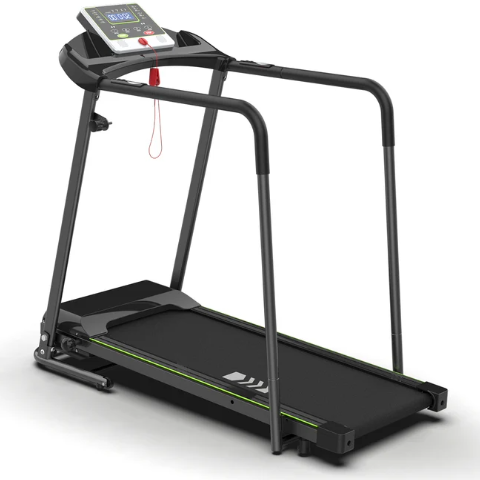
Afmetingen oppervlak: 105 × 41 cm
Afmetingen (L × B × H): 129,5 cm × 63,5 cm × 116,8 cm
Motorvermogen: 2,25 pk piek
Snelheidsbereik: 0,8-8,8 km/u
Hellingsbereik: Geen (vast)
Gewichtslimiet: 136 kg
Gewicht loopband: 30 kg
Prijs: € 419,99 (£ 312)
Voordelen
- Lange leuningen geven extra steun en helpen bij het evenwicht voor ouderen en mensen die wat minder mobiel zijn.
- De lage minimumsnelheid en soepele stappen (0,5–5,5 mph) maken het perfect voor lekker wandelen en rustig tempo opbouwen.
- Stille motor en 5-laags schokabsorberende riem verminderen geluid en impact op gewrichten bij dagelijks gebruik
- Een makkelijk te gebruiken LED-display met vooraf ingestelde programma's maakt het bijhouden van je basis trainingsgegevens super simpel.
- Het opvouwbare ontwerp en de transportwieltjes helpen ruimte te besparen en maken het makkelijk om het apparaatje in huis te verplaatsen.
Nadelen
- Alleen bedoeld om mee te wandelen - niet geschikt om mee te rennen of hard te joggen
- Geen hellingsfunctie, wat de variatie in training beperkt
- kleiner bandenbreedte en kortere platformafmeting ten opzichte van loopbanden, wat geen probleem is voor wandelen, maar niet echt geschikt is voor lange passen
- Basisdisplay en functies vergeleken met high-end of slimme loopbanden
Waarom we er dol op zijn
De Redliro Walking Treadmill met lange leuningen is echt de beste loopband voor ouderen, omdat hij is ontworpen met het oog op veiligheid, stabiliteit en eenvoud - de belangrijkste dingen voor oudere gebruikers. Het opvallende kenmerk zijn de verlengde leuningen die over de hele lengte van de machine lopen, waardoor gebruikers meerdere stevige greep punten hebben en meer vertrouwen krijgen bij elke stap. Het gladde, low-impact loopoppervlak en het rustige snelheidsbereik zijn perfect voor dagelijks wandelen, herstelactiviteiten of het behouden van mobiliteit, zonder dat je bang hoeft te zijn voor hoge snelheden of prestatiegerichte ontwerpen.
Deze loopband is perfect voor oudere volwassenen, mensen die moeite hebben met hun evenwicht of iedereen die op zoek is naar dagelijkse activiteit en mobiliteit met weinig impact. De stille motor, het makkelijk af te lezen display en het opvouwbare frame maken het apparaat makkelijk te gebruiken en te plaatsen in een gang, woonkamer of slaapkamer zonder dat het de ruimte domineert. Het is minder geschikt voor hardlopers of mensen die op zoek zijn naar hellingtraining of intensieve trainingen, maar als veilige, betrouwbare loopband voor thuis biedt het precies wat deze doelgroep nodig heeft.
Hoe onderhoud ik mijn loopband?
Regelmatig onderhoud van je loopband zorgt ervoor dat de band soepel blijft lopen, maakt minder lawaai, slijt minder snel en kan de levensduur van het apparaat flink verlengen. De basisregels zijn: houd de loopband schoon, vooral rond de band en de motor, check of de band goed in het midden zit en de juiste spanning heeft, en smeer de band als de fabrikant dat aanraadt. De meeste loopbanden voor thuis moeten om de paar maanden gesmeerd worden, afhankelijk van hoe vaak je ze gebruikt. Het is altijd het beste om de aanwijzingen in de handleiding van je model te volgen in plaats van te gissen.
Het is ook handig om af en toe te checken of alle bouten en schroeven nog goed vastzitten, want door het trillen tijdens het rijden kunnen onderdelen na een tijdje losraken. Door je loopband op een vlakke oppervlakte te zetten en er een mat onder te leggen, kun je de belasting op het frame en de motor verminderen en tegelijkertijd je vloer beschermen. Met een beetje liefde en aandacht blijven zelfs veelgebruikte loopbanden voor thuis jarenlang goede prestaties leveren.
Hoe goed zijn die calorietellers op loopbanden eigenlijk?
Calorietellers op loopbanden kunnen een ruwe schatting geven, maar ze zijn zelden precies. De meeste loopbanden berekenen het calorieverbruik met algemene formules op basis van snelheid, hellingshoek, tijd en soms lichaamsgewicht. Ze houden geen rekening met persoonlijke verschillen zoals hoe zuinig je rent, je lichaamsbouw of hoe efficiënt je beweegt, wat een groot verschil kan maken in hoeveel energie je echt verbruikt.
Voor de meeste mensen zijn de calorie-uitlezingen op de loopband beter te zien als een richtlijn dan als een precies getal. Ze zijn handig om verschillende trainingen met elkaar te vergelijken, maar niet om precies bij te houden hoeveel calorieën je verbrandt. Als nauwkeurigheid belangrijk is, kan het combineren van loopbandtrainingen met een hartslagsensor of het gebruik van een app die rekening houdt met meer persoonlijke gegevens, op den duur een realistischer beeld geven.
Hoe snel gaan loopbanden?
De meeste loopbanden voor thuis gaan maximaal tussen de 16 en 19 km/u, wat meer dan genoeg is om lekker te blijven rennen en voor de meeste intervaltrainingen. De duurdere loopbanden halen vaak wel 22 km/u, zodat snellere lopers lekker hard kunnen trainen zonder dat ze zich beperkt voelen. De snelheid die je nodig hebt, hangt af van hoe je traint, maar als je wat ruimte hebt boven je normale tempo, kun je soepeler en stabieler prestaties leveren.
Het is goed om te weten dat loopbanden met hogere topsnelheden meestal sterkere motoren en stevigere frames hebben, zelfs als je nooit op het maximale tempo loopt. Goedkopere of op wandelen gerichte loopbanden kunnen veel lagere snelheidslimieten hebben, wat vervelend kan zijn als je conditie beter wordt. Door een loopband te kiezen met een geschikt bereik aan snelheden, zorg je ervoor dat je training klaar is voor de toekomst.
Hoe lang gaan loopbanden mee?
Een goed gemaakte loopband voor thuis kan 7 tot 12 jaar meegaan, afhankelijk van hoe hij in elkaar zit, hoe vaak je hem gebruikt en hoe goed je hem onderhoudt. Goedkope loopbanden die je af en toe gebruikt, gaan misschien maar een tijdje mee, terwijl duurdere modellen met sterkere motoren en frames veel langer meegaan, vooral als je ze goed onderhoudt. Commerciële loopbanden zijn gemaakt voor veel intensiever gebruik en gaan vaak nog langer mee thuis.
Hoe je iets gebruikt, is net zo belangrijk als hoe het gemaakt is. Vaak hoge snelheid, veelvuldig gebruik en te weinig onderhoud zorgen ervoor dat dingen na een tijdje sneller verslijten. Als je kijkt naar de garantie, vooral voor de motor en het frame, kun je een goede idee krijgen van hoe lang het ding meegaat. Als je 'm verstandig gebruikt en goed onderhoudt, is een loopband een trainingmaatje voor de lange termijn en geen kortstondige aankoop.
Ready to take the next step with your running?
Whether you're aiming for your first finish line or chasing a new PB, our expert-led training plans can help you train smarter and stay consistent. Explore our 5K, 10K, half marathon and marathon training plans to find the right fit for your goal.


.webp)
.webp)
.webp)
.webp)