

Here’s something most runners overlook: you don’t always need to train harder to get faster. Sometimes, the biggest gains come from simply moving better.
Running might feel natural, but there’s still a skill to it. Small tweaks to your form can make you more efficient, reduce injury risk, and ultimately help you run faster with less effort.
That said, there’s no single “perfect” running style. Everyone moves slightly differently. The goal isn’t to force a textbook technique; it’s to refine the fundamentals so your stride works with your body, not against it.
The Key Principles of Good Running Form
Most coaches and experienced runners tend to agree on a few core ideas.
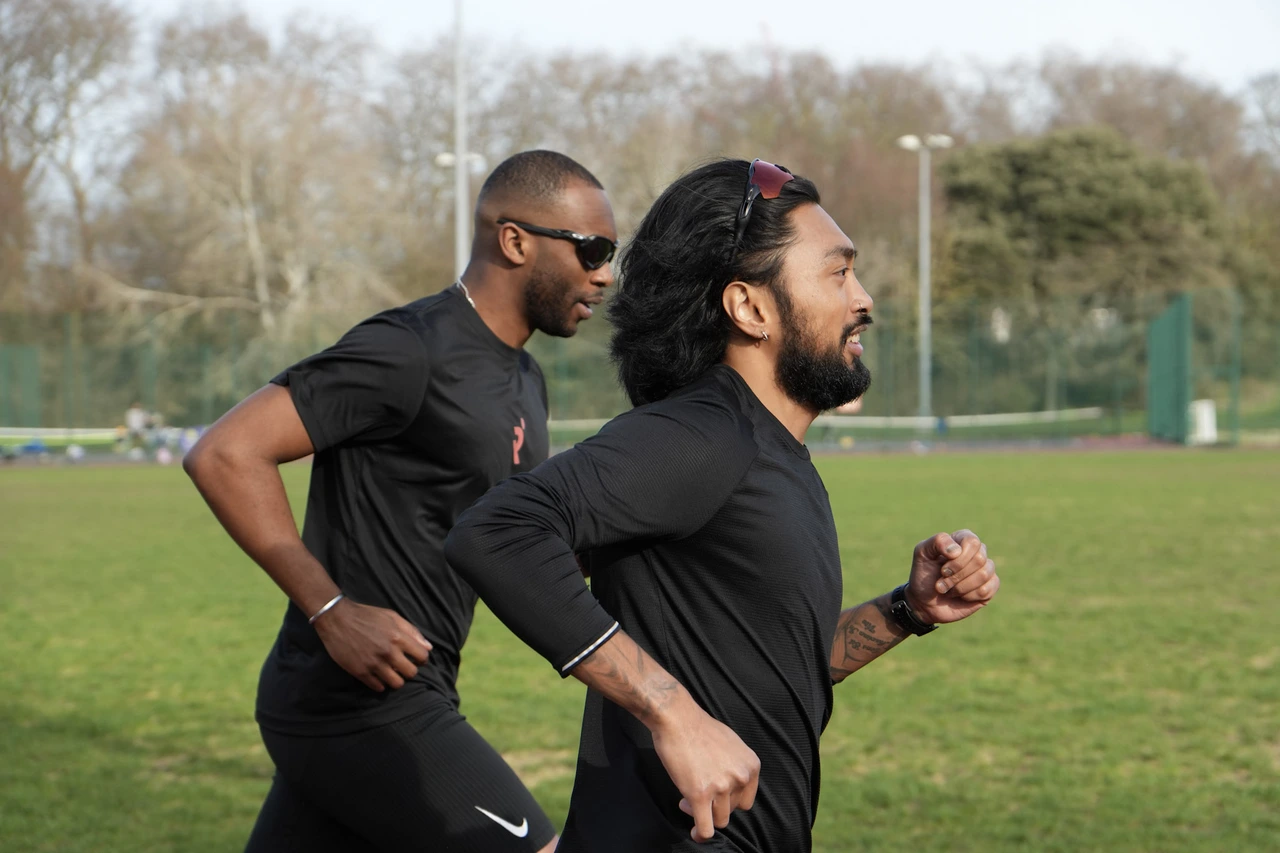
Your posture should be upright, with a slight forward lean coming from the ankles, not the waist. Think of being gently pulled upwards, rather than hunched forward.
Where your foot lands matters too. Ideally, it should come down roughly underneath your body, not far out in front. Overstriding (landing too far ahead) acts like a braking force, slowing you down and increasing stress on your joints.
Cadence also plays a role. A slightly quicker step rate (often somewhere around 170–185 steps per minute) can help keep your stride light and efficient, while reducing the likelihood of overstriding.
And then there’s your upper body. Your arms should swing naturally forwards and backwards, not across your chest. It might seem minor, but inefficient arm movement can throw off your entire stride.
Why Form Matters
Improving your running form isn’t just about performance. It’s also about staying healthy.
Poor mechanics can increase stress in certain areas of the body. For example, letting your head drift forward or collapsing through the hips can create imbalances that lead to injury over time.
Even small inefficiencies, repeated over thousands of steps, can add up. Better form helps distribute load more evenly, making running feel smoother and less taxing.
How to Actually Improve It
The mistake many runners make is trying to change everything at once. That rarely works.
Instead, think of form as something you gradually refine through awareness and simple cues.
A useful starting point is posture. Try running “tall,” as if a string is gently lifting you from the top of your head. This can help align your body and reduce unnecessary strain.
If you suspect you’re overstriding, increasing your cadence slightly can naturally bring your foot landing closer to your body without forcing it.
You can also use external feedback. Having someone film you running, or working with a coach or physio, can highlight issues you might not feel yourself.
The Role of Drills and Strength
Form isn’t just about thinking differently, it’s about building the physical ability to move well.
Simple drills like high knees, hops, and cadence work can reinforce better movement patterns. They don’t need to take long, but done consistently, they help your body learn more efficient mechanics.
Strength training is just as important. A strong core helps you maintain posture, while strong glutes and legs improve stability and power. Without that foundation, it’s much harder to hold good form, especially when you’re tired.
Keep It Simple
It’s easy to overthink running form. But in practice, the biggest improvements usually come from focusing on just a couple of things at a time.
Run tall. Keep your stride light. Let your arms move naturally.
Over time, those small adjustments add up.
The Bottom Line
Better running form won’t magically transform your running overnight, but it can make a meaningful difference over time.
You’ll likely feel smoother, waste less energy, and reduce your risk of injury. And perhaps most importantly, running will start to feel easier at the same pace, which is ultimately what every runner is chasing.
Ready to take the next step with your running? Whether you're aiming for your first finish line or chasing a new PB, our expert-led training plans can help you train smarter and stay consistent. Explore our 5K, 10K, half marathon and marathon training plans to find the right fit for your goal.




.webp)