When runners think about nutrition, carbohydrates usually get most of the attention. Carbs are essential for fueling runs, but protein is just as important. It helps repair muscle damage from training, supports recovery, strengthens bones and tissues, and can even help reduce the risk of injury.
Every step you take while running puts significant stress on your body, sometimes up to two to seven times your bodyweight per footstrike. Protein helps your body adapt to that stress by rebuilding and strengthening muscle fibers after workouts.
Here’s what runners need to know about protein and the best foods to include in their diet.
Why protein matters for runners
Protein plays several important roles in the body beyond muscle repair. It helps:
- Repair and rebuild muscle fibers after exercise
- Support immune function after hard workouts
- Maintain bone strength
- Produce hormones, enzymes, and antibodies
- Support overall recovery and adaptation to training
Because running breaks down muscle tissue, adequate protein intake helps your body recover faster and train more consistently.
How much protein do runners need?
The general recommended dietary allowance (RDA) for protein is:
0.8 grams of protein per kilogram of body weight per day
However, endurance athletes usually need more. Sports nutrition guidelines suggest runners aim for roughly:
1.3–2.4 grams of protein per kilogram of body weight per day
For example, a 150-pound (68 kg) runner may need around 90–165 grams of protein daily, depending on training intensity.
Many experts also recommend spreading protein intake throughout the day, consuming protein every 3–4 hours to support muscle repair.
The Best Protein Sources for Runners
1. Eggs
Eggs are one of the most complete and convenient protein sources available. They contain all nine essential amino acids and are easy to prepare.
Protein content:
- ~6 grams per egg
Eggs are great for breakfast, post-run meals, or snacks throughout the day.
2. Greek yogurt
Greek yogurt is packed with protein and probiotics that support gut health.
Protein content:
- ~15–20 grams per cup
It works well as a recovery snack when paired with fruit, granola, or honey.
3. Chicken and turkey
Lean poultry is a staple protein source for many runners. It provides high-quality protein without excessive fat.
Protein content:
- ~25–30 grams per 3-ounce serving
Chicken and turkey are ideal for lunch or dinner meals during heavy training weeks.
4. Fish
Fish provides protein along with omega-3 fatty acids that help reduce inflammation.
Protein content:
- ~20–25 grams per serving
Salmon, tuna, and sardines are particularly beneficial for athletes.
5. Beans and lentils
Plant-based runners can rely on legumes like beans and lentils for protein, fiber, and carbohydrates.
Protein content:
- ~8–10 grams per ½ cup
They’re especially helpful for endurance athletes because they also provide slow-digesting carbs.
6. Tofu, tempeh, and soy products
Soy-based foods are one of the few plant-based protein sources that contain all essential amino acids, making them complete proteins.
Protein content:
- Tofu: ~10 grams per ½ cup
- Tempeh: ~15–20 grams per serving
They’re great options for vegetarian or vegan runners.
7. Nuts and nut butter
Nuts add protein, healthy fats, and calories that help support endurance training.
Protein content:
- ~6–8 grams per ounce
Popular options include almonds, peanuts, walnuts, and peanut butter.
8. Quinoa and oats
Certain grains also provide protein alongside carbohydrates.
Protein content:
- Quinoa: ~8 grams per cup cooked
- Oats: ~5 grams per ½ cup dry
These foods work well as part of balanced meals before or after runs.
Complete vs incomplete proteins
Proteins are made up of amino acids. Some foods contain complete proteins, meaning they provide all nine essential amino acids your body needs.
Complete protein sources include:
- Meat and poultry
- Fish
- Eggs
- Dairy products
- Soy foods
Plant-based foods like beans, grains, nuts, and seeds are often incomplete proteins, but combining them throughout the day provides the full range of amino acids your body needs.
Examples of complementary protein combinations include:
- Rice and beans
- Peanut butter on toast
- Hummus and pita
- Beans and nuts
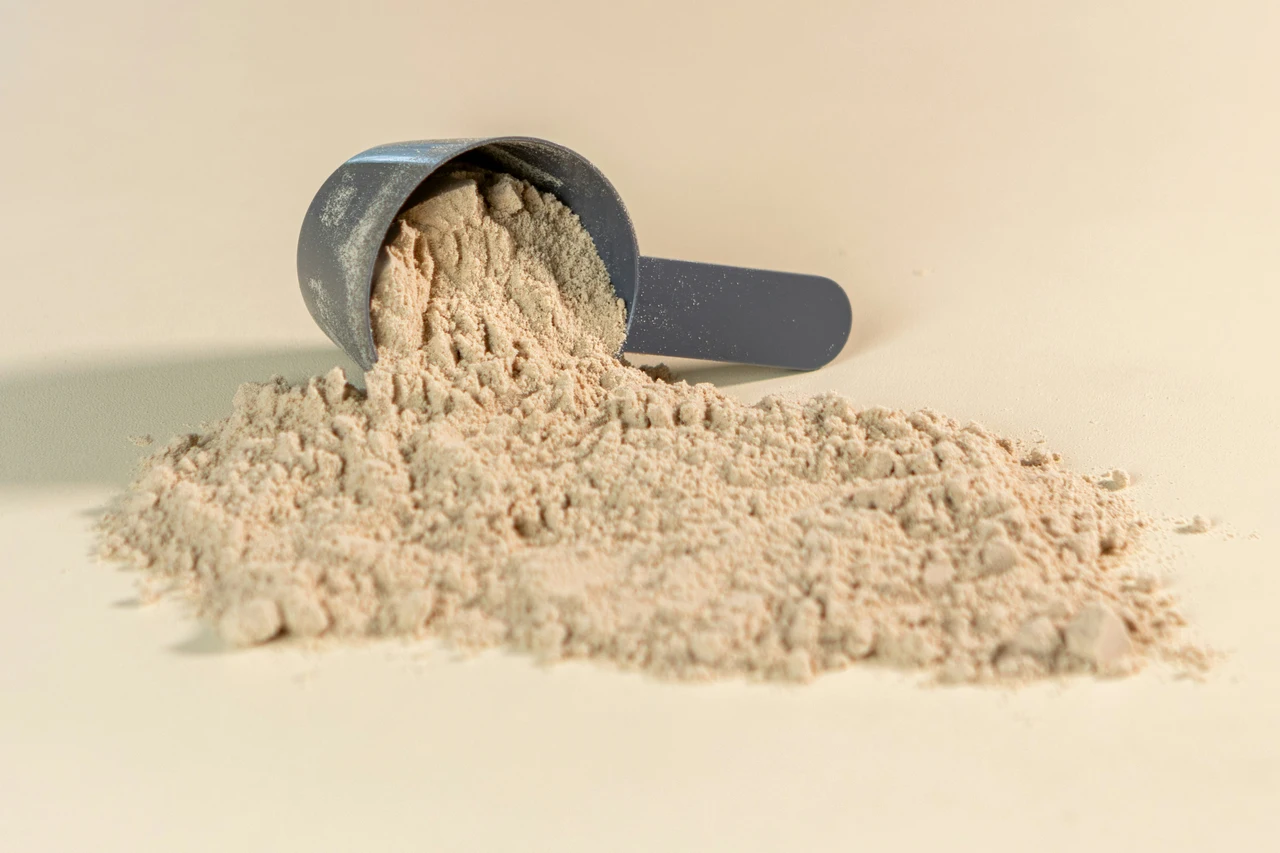
Should runners use protein powder?
Most runners can meet their protein needs through whole foods. However, protein powders can be convenient during busy training periods.
Common types include:
- Whey protein: Fast-digesting and rich in leucine, an amino acid important for muscle repair
- Casein protein: Slower-digesting dairy protein
- Plant-based blends: Often made from pea, rice, or hemp protein
Protein powders can be especially helpful after long runs or strength workouts when you need quick recovery nutrition.
Spread protein throughout the day
Instead of consuming all your protein at one meal, try distributing it evenly throughout the day.
For example, a runner might aim for 20–30 grams of protein per meal.
This helps your body maintain a steady supply of amino acids to support recovery and muscle repair.
Ready to take the next step with your running? Whether you're aiming for your first finish line or chasing a new PB, our expert-led training plans can help you train smarter and stay consistent. Explore our 5K, 10K, half marathon and marathon training plans to find the right fit for your goal.