For many runners, coffee before a run is part of the routine. Lace up your shoes, stretch a little, and sip a cup of coffee before heading out the door. But is this habit actually helpful for performance?
The short answer: yes, for many runners coffee can improve running performance. The caffeine in coffee can boost alertness, reduce fatigue, and make hard efforts feel easier. That said, caffeine affects everyone differently, so the ideal amount depends on your tolerance and preferences.
Here’s what you need to know about drinking coffee before running.
The benefits of coffee before running
Most of the performance benefits of coffee come from caffeine, a stimulant that affects the central nervous system.
Research has consistently shown that caffeine can enhance endurance performance by:
- Reducing perceived effort during exercise
- Delaying fatigue
- Improving alertness and focus
- Increasing endurance capacity
In simple terms, caffeine can make running feel a little easier, especially during longer workouts or races.
Studies have also found that caffeine can provide moderate performance benefits in endurance sports such as distance running.
Another potential benefit is that coffee may help stimulate a pre-run bathroom visit. For runners who struggle with mid-run digestive issues, this can sometimes be helpful, though timing is important.
Coffee also contains antioxidants, which help combat inflammation and oxidative stress caused by intense exercise.
Potential downsides of coffee before a run
While coffee can boost performance, it’s not ideal for everyone.
Too much caffeine can cause unpleasant side effects, including:
- Jitters or anxiety
- Increased heart rate
- Upset stomach
- Excessive sweating
- Trouble sleeping later in the day
Coffee can also stimulate bowel movements. This can be useful if you have enough time before your run, but if you drink coffee immediately before heading out the door, it may lead to an uncomfortable mid-run situation.
Because caffeine stays in your system for several hours, drinking coffee late in the day may also interfere with sleep.
How much coffee should you drink before running?
There isn’t one perfect amount of caffeine for every runner.
Sports nutrition guidelines often recommend 3–6 milligrams of caffeine per kilogram of body weight to improve endurance performance.
For a runner weighing around 68 kg (150 lb), that’s roughly 200–400 mg of caffeine.
For reference:
- 1 cup of coffee: ~80–100 mg caffeine
- Double espresso: ~120–150 mg caffeine
However, many runners experience benefits from much smaller amounts. If you’re sensitive to caffeine, it’s best to start with a lower dose and see how your body responds.
In general, most health guidelines recommend staying below 400 mg of caffeine per day.
When should you drink coffee before a run?
Timing can make a difference.
Caffeine usually begins to take effect within 15–30 minutes, with peak effects occurring around 45–60 minutes after consumption.
Because of this, many runners find it helpful to drink coffee 30–60 minutes before starting their run.
This timing allows the caffeine to kick in just as the workout begins.
Should you eat with your coffee before running?
Yes, coffee alone doesn’t provide energy.
While caffeine can make exercise feel easier, it doesn’t contain calories or carbohydrates, which your muscles rely on for fuel.
For the best results, pair coffee with a small carbohydrate snack before running.
Good options include:
- Toast with honey and banana
- Banana with peanut butter
- Applesauce
- Oatmeal
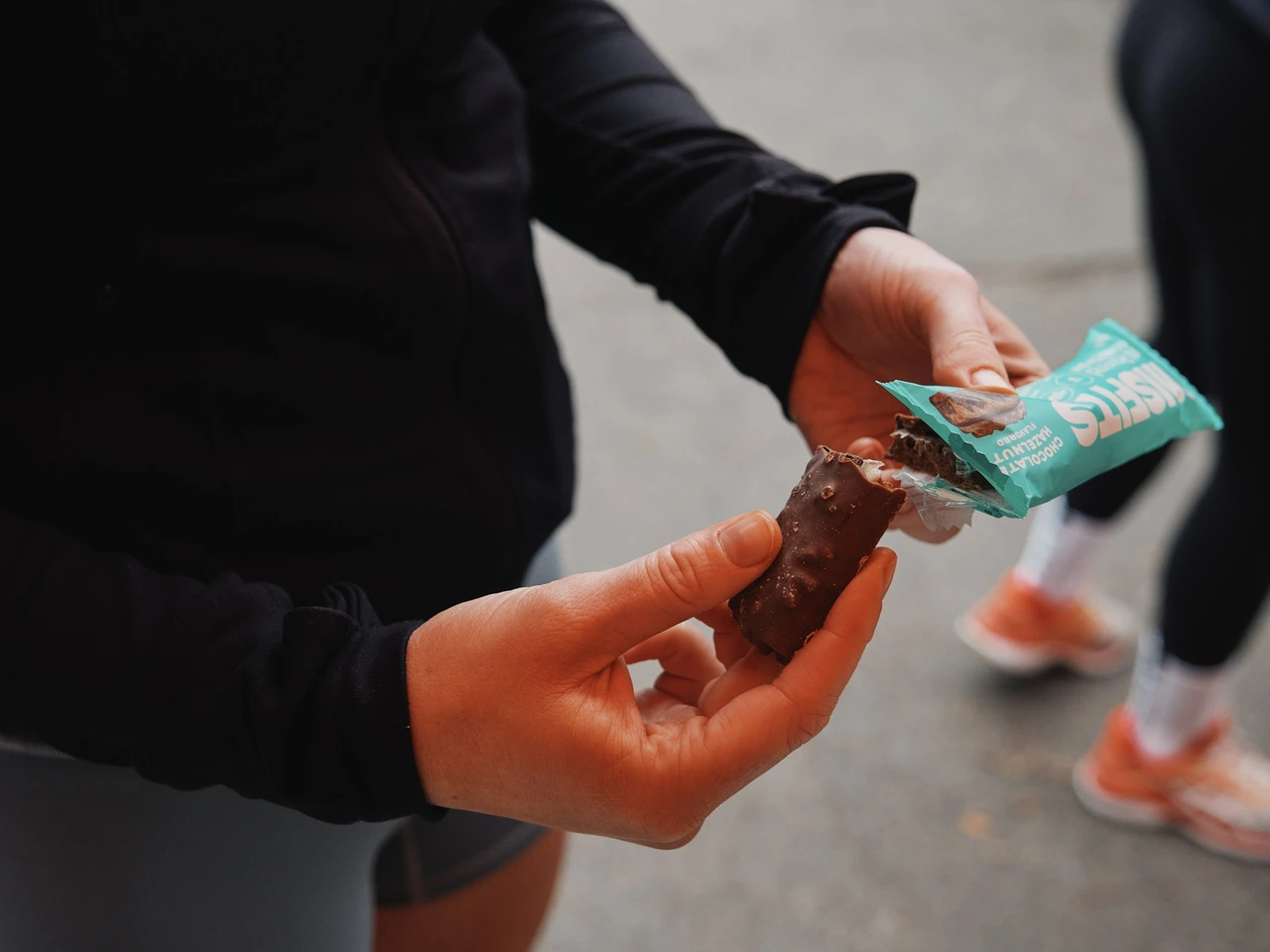
- Energy bars or gels
This combination provides both fuel and stimulation, helping you feel energized and ready to run.
Should every runner drink coffee before running?
Not necessarily.
Some runners love the boost caffeine provides, while others feel jittery or experience stomach discomfort. Genetics, caffeine tolerance, and individual sensitivity all influence how your body responds.
The best approach is to experiment during training rather than trying something new on race day.
If coffee works well for you, it can be a useful part of your pre-run routine. If it doesn’t, there’s no need to force it.
Build a routine that works for you
Whether you run with coffee or without it, the most important thing is consistency. Having a structured training routine helps you perform better and enjoy your running more.
If you're new to running or working toward your first goal, Runna offers free training plans up to 5K, helping you build a consistent routine with guided workouts and structured progress.
That way you can focus on improving your running, coffee or no coffee.
Ready to take the next step with your running? Whether you're aiming for your first finish line or chasing a new PB, our expert-led training plans can help you train smarter and stay consistent. Explore our 5K, 10K, half marathon and marathon training plans to find the right fit for your goal.