When it comes to recovery, what you eat after a run can be just as important as the run itself. Every session creates small amounts of stress and damage in your muscles. Protein is what helps repair that damage, rebuild stronger tissue, and ultimately make you a better runner.
That’s why high-protein snacks are such a valuable tool. They’re quick, convenient, and an easy way to make sure your body gets what it needs without overcomplicating your nutrition.
Protein becomes even more effective when paired with carbohydrates. While protein handles muscle repair, carbs replenish glycogen: the stored energy you’ve just burned through. Together, they speed up recovery, reduce soreness, and help you feel ready for your next run.
How much protein you need depends on the session. For shorter or easier runs, around 10–15 grams is usually enough. For longer or more intense efforts, aiming for closer to 20 grams (or more) will better support recovery.
Why protein matters for runners
It’s easy to associate protein with strength training, but runners need it just as much, if not more.
Every time your foot hits the ground, your muscles absorb impact forces. Over the course of a run, that adds up to thousands of repetitions. Protein helps repair the micro-damage caused by that impact and supports adaptations that improve endurance and resilience.
It also plays a role in:
- Reducing muscle soreness after tough sessions
- Supporting immune function, which can dip after long runs
- Maintaining lean muscle mass, especially during high-mileage phases
- Improving recovery between sessions, so you can train consistently
Certain protein sources are particularly effective at stimulating muscle repair. You’ll find leucine in foods like dairy, eggs, meat, and some plant-based proteins.
Quick, grab-and-go options
After a run, convenience often wins. You might not feel like cooking, and sometimes appetite is low. That’s where simple, ready-to-eat snacks come into their own.
Greek yogurt is one of the easiest options. It typically provides 15–20 grams of protein per serving and is easy to digest, making it ideal straight after a run.
Hard-boiled eggs are another reliable choice. Each one contains around 6–7 grams of protein, so pairing two together gives you a solid recovery snack.
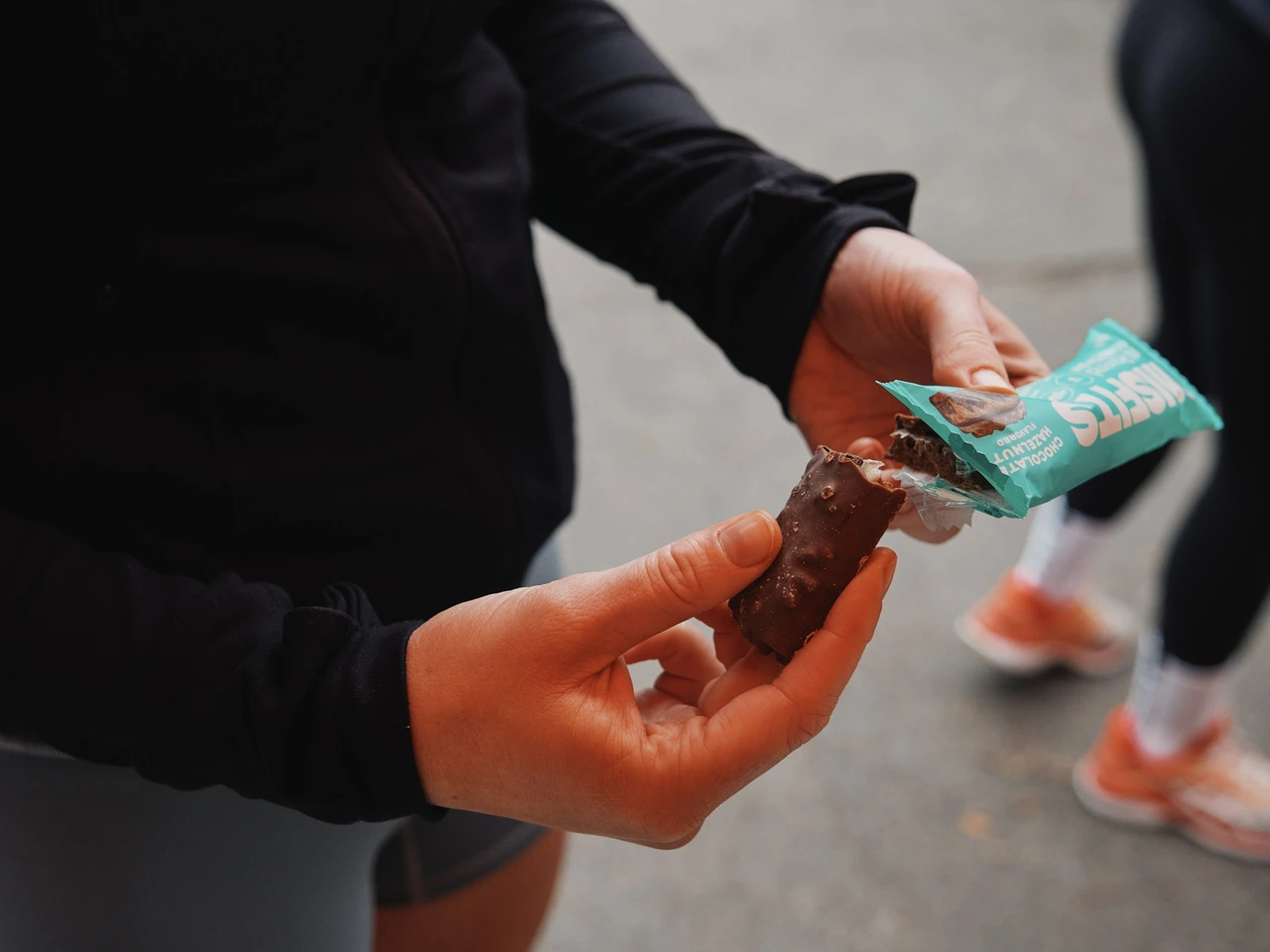
If you need something more portable, protein bars are hard to beat. Most provide anywhere from 10 to 20 grams of protein, and they’re designed to be eaten on the go. Similarly, beef jerky or meat sticks offer around 8–10 grams per serving, along with sodium that can help with rehydration.
Tuna packets are another underrated option. Combined with crackers, they deliver a high-protein, balanced snack that’s easy to keep in your bag.
These options aren’t glamorous, but they’re effective, and consistency matters far more than perfection.
Easy homemade snacks
If you prefer something a bit more personalised (or want to prep ahead), homemade snacks can be just as convenient.
Egg muffins are a great example. Made with eggs, vegetables, and a bit of cheese, they’re easy to batch-cook and store. Each one provides around 7–9 grams of protein, and you can grab them straight from the fridge after a run.
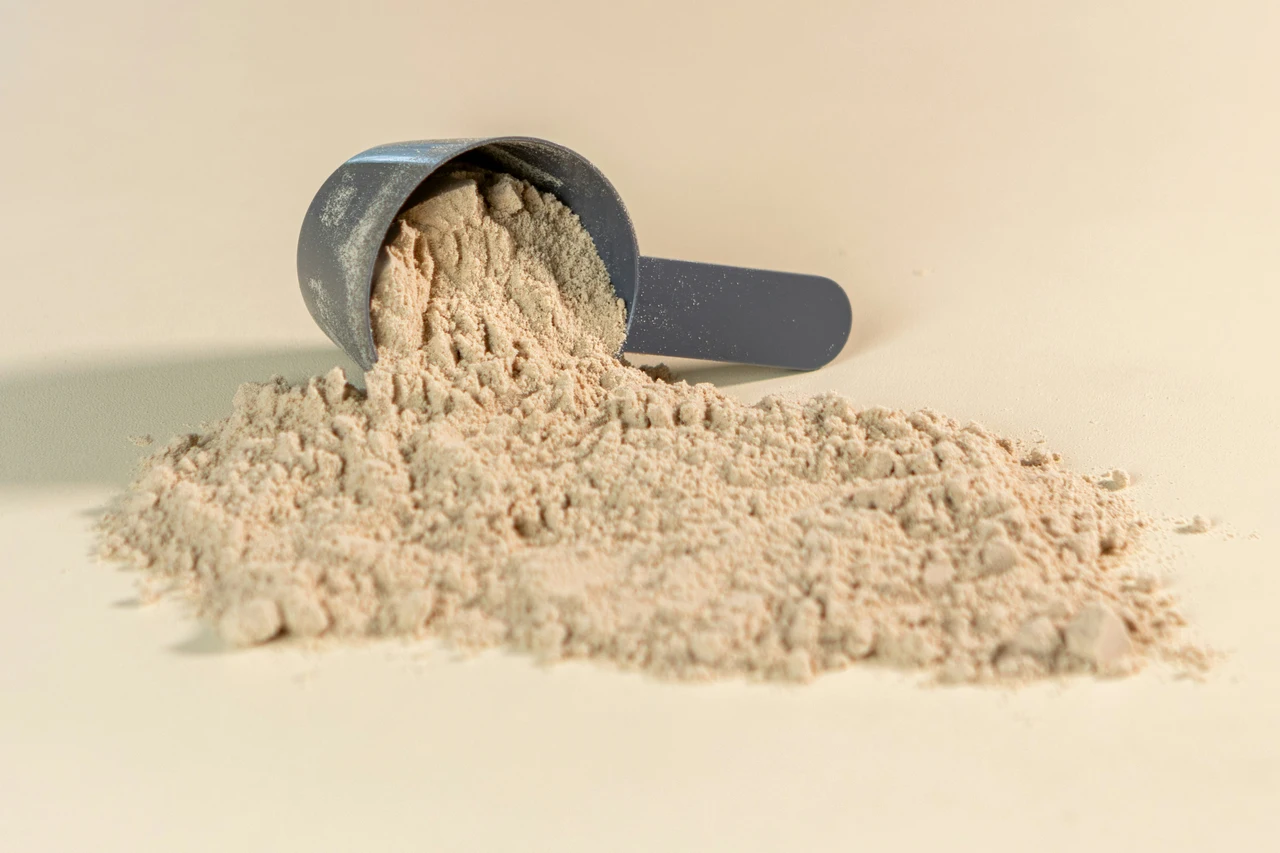
Overnight oats are another strong option, especially when you add Greek yogurt or protein powder. This combination can deliver 20–30 grams of protein alongside a healthy dose of carbs, making it ideal for recovery.
Even something as simple as a turkey and cheese wrap works well. It’s quick to assemble, easy to eat, and gives you a good balance of protein and carbohydrates without much effort.
The key with homemade options is simplicity. If it’s too complicated, you won’t stick to it.
Snacks that balance carbs and protein
While protein is essential, recovery works best when you combine it with carbohydrates.
After a run, your body is primed to absorb nutrients and replenish energy stores. Pairing protein with carbs helps speed up glycogen replenishment and improves overall recovery.
Some effective combinations include:
- Cottage cheese with fruit or granola
- Protein oatmeal made with milk or yogurt
- Smoothies with kefir or Greek yogurt, plus fruit
- Protein-enhanced muffins or bagels
These options tick multiple boxes at once: they’re satisfying, easy to digest, and support both energy and muscle recovery.
Portable snacks for busy runners
If you’re juggling training with work, family, or travel, portability becomes key.
Protein bars are the obvious go-to, but there are other solid options too. Ready-to-drink protein shakes, jerky, and even simple combinations like nuts paired with a higher-protein food can work well when you’re short on time.
The goal here isn’t to find the “perfect” snack. It’s to make sure you always have something available. Skipping recovery nutrition entirely is far more limiting than choosing a slightly less optimal option.
High-protein snack ideas to try
If you’re looking for inspiration, here are a few practical options you can rotate through:
- Greek yogurt with berries and honey
- Two eggs with toast or fruit
- Cottage cheese with granola
- Tuna and crackers
- Turkey and cheese wrap
- Protein smoothie with milk, banana, and protein powder
- Beef jerky with a piece of fruit
- Protein bar and a sports drink
- Overnight oats with yogurt
- Egg muffins with vegetables
Having a handful of go-to snacks makes it much easier to stay consistent, especially during busy training weeks.
When should you eat protein?
Timing can make a difference, particularly after harder sessions.
Eating a protein-rich snack within 30 to 60 minutes after your run helps kickstart the recovery process. This is when your muscles are most receptive to nutrients and when you can get the biggest benefit.
That said, timing isn’t everything. Your total daily protein intake is what really drives long-term progress. Spreading protein intake across the day tends to be more effective for muscle repair and adaptation.
The Bottom Line
High-protein snacks are one of the simplest and most effective ways to improve your recovery as a runner. They help repair muscle, support adaptation, and ensure you’re ready to train again.
You don’t need anything complicated or expensive. Focus on simple, practical options that fit your routine. And, most importantly, ones you’ll actually eat consistently.
Ready to take the next step with your running? Whether you're aiming for your first finish line or chasing a new PB, our expert-led training plans can help you train smarter and stay consistent. Explore our 5K, 10K, half marathon and marathon training plans to find the right fit for your goal.