

Hoe een Sub-20 5K te lopen: De ultieme gids om de 20 minuten te doorbreken
Beginnen met hardlopen moet spannend zijn, niet overweldigend. Onze trainingsschema's geven je de structuur, steun en flexibiliteit die je nodig hebt om van je eerste stap naar het lopen van 5 km te gaan, ongeacht je startpunt.
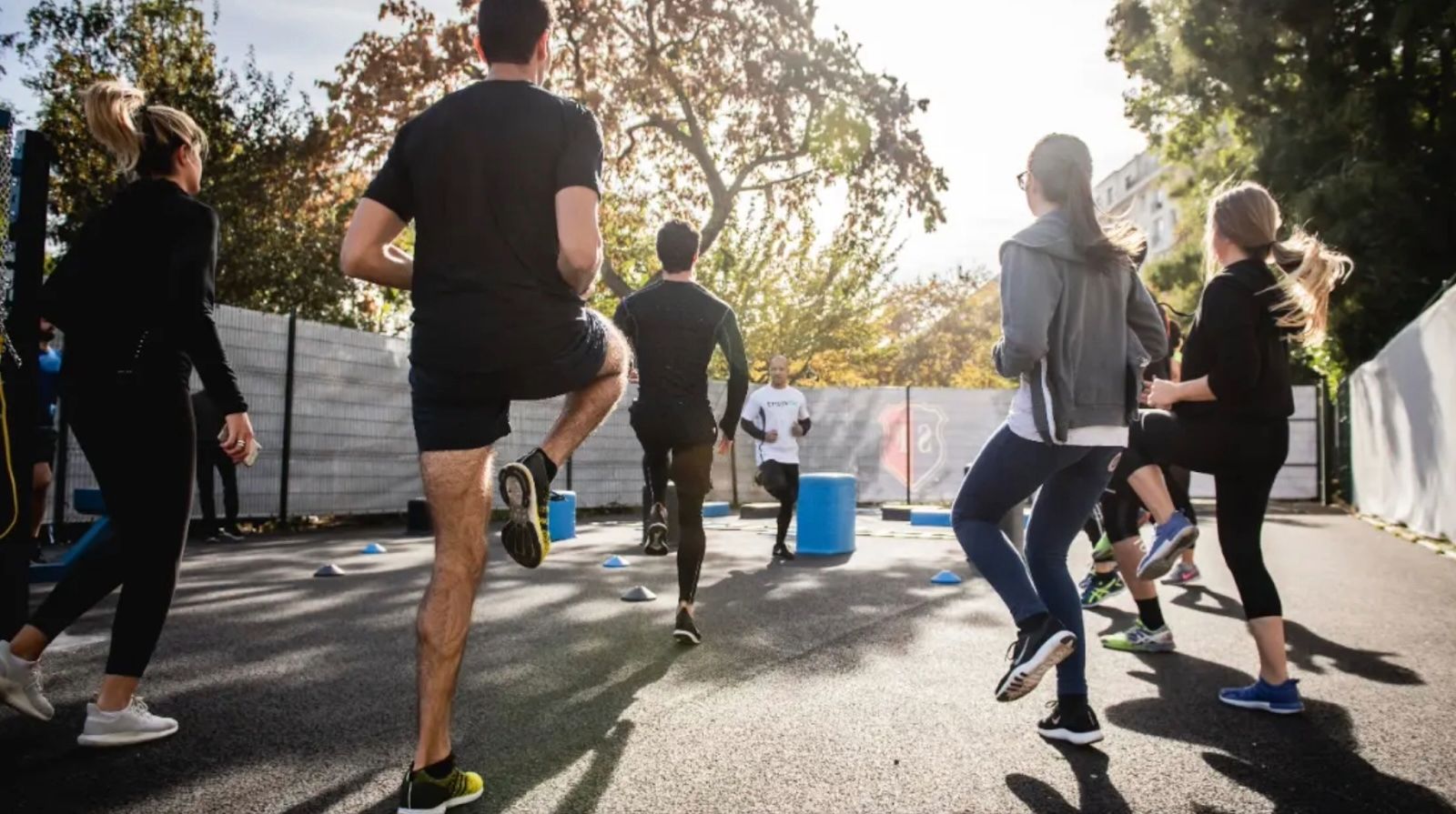
Running a 5K in under 20 minutes is one of the most sought-after goals for intermediate runners, and for good reason. Als je die sub-20 haalt, laat dat zien dat je echte snelheid, een sterk uithoudingsvermogen en de discipline om consequent en slim te trainen hebt ontwikkeld. Voor veel hardlopers is het een mijlpaal die bewijst dat je niet meer alleen voor je plezier jogt; je loopt met een doel, verlegt je grenzen en ziet waartoe je echt in staat bent.
Maar laten we eerlijk zijn: het is niet gemakkelijk. Voor het doorbreken van 20 minuten is meer nodig dan alleen hardlopen op de wedstrijddag. Het vereist slim trainen, discipline in tempo's en het vertrouwen om je doeltempo vast te houden als je benen beginnen te schreeuwen. Het goede nieuws? Met het juiste plan, de juiste mentaliteit en een paar beproefde strategieën kun je het absoluut, of je nu een Parkrun PB nastreeft of je opmaakt voor je plaatselijke wegwedstrijd.
In deze complete gids vind je alles wat je nodig hebt om je sub-20 droom waar te maken
- Precieze tempo's en tussentijden , zodat je weet wat je elke kilometer moet halen.
- Conditiebenchmarks om te kijken of je er klaar voor bent.
- A proven training plan with the sessions you need to build speed and endurance.
- Tactieken voor de wedstrijddag om je tempo slim te verdelen en sterk te eindigen.
- Expert tips and real success stories from coaches and runners who’ve cracked 20 themselves.
Geen giswerk meer. Gewoon praktisch, bewezen advies om je te helpen je snelste 5K ooit te lopen en onderweg van het proces te genieten.
t je er klaar voor? Laten we die sub-20 gaan halen!
Wat is er nodig om Sub-20 te lopen?
Om een 5 km-loop onder de 20 minuten te doen, moet je een tempo aanhouden van 6 minuten en 26 seconden per mijl, of precies 4:00 per kilometer. Dat is je doel: elke kilometer, elke kilometer, zonder ruimte om van je tempo af te wijken.
Simpel gezegd moet je elke kilometer in 4 minuten afleggen.
Het klinkt eenvoudig. Maar als het tempo hoog aanvoelt en je benen moe beginnen te worden, vereist het vasthouden van dat ritme meer dan alleen rauwe snelheid. Je hebt een combinatie nodig van snelheidsuithoudingsvermogen, het vertrouwen om je in je doeltempo te nestelen en de mentale moed om door te zetten als het moeilijk wordt.
Voor wie is dit doel realistisch?
Als je nu rond de 5 km loopt rond 21:00–22:30, kun je met het juiste trainingsschema makkelijk onder de 20 minuten komen. Je hebt een solide aerobe basis opgebouwd, maar nu gaat het erom je snelheid aan te scherpen, je lactaatdrempel te verhogen en je wedstrijddagritme te bepalen.
Maak je geen zorgen als je PB nog wat langzamer is; veel hardlopers verrassen zichzelf als ze speciaal voor dit doel trainen. Door slim te trainen en je te richten op de juiste trainingen, verander je dat tempo van 4:00 per kilometer van intimiderend in een tweede natuur.
Ben jij klaar voor Sub-20?
Voordat je je stort op het najagen van een sub-20 5K, is het slim om na te gaan of je huidige conditie in de juiste buurt is. Het laatste wat je wilt is te snel te hard van stapel lopen en gefrustreerd of geblesseerd raken. Gebruik deze eenvoudige maatstaven om te zien of je klaar bent om met vertrouwen te trainen voor een tempo van 4:00/km.
Benchmarksessies
1. De 3 x 1K herhalingen test
Ga naar een atletiekbaan of een vlak, recht stuk weg en doe het volgende: 3 x 1 km herhalen met 2–3 minuten rustig joggen of wandelen tussen de herhalingen door.
- Probeer elke kilometer te lopen in 3:55–4:00.
- Als je alle drie de herhalingen met een sterk gevoel kunt voltooien (en denkt dat je er nog wel een of twee uit kunt persen), dan ben je waarschijnlijk klaar voor het tempo dat nodig is op de wedstrijddag.
2. De 1-Mijl Tijdrit
Je kunt ook eens een 1-mijl-tijdproef op volle kracht proberen.
- Doe een goede warming-up en ren dan één mijl hard maar gecontroleerd.
- Als je rond 6:00–6:10 kunt rennen en het gevoel hebt dat je nog wel even door kunt gaan (met een beetje training!), dan is dat een goed teken dat je bijna een conditie van onder de 20 hebt.
Deze tests zijn snelle maar betrouwbare manieren om te meten of je de snelheid en het uithoudingsvermogen hebt om je doeltempo na te jagen, of dat je er misschien baat bij hebt om eerst een sterkere basis op te bouwen.
Controleer de basis van je wekelijkse afstand
Met snelheidsoefeningen alleen kom je er niet. Je lichaam heeft een aerobe basis nodig om zware intervallen aan te kunnen, goed te herstellen en laat in de wedstrijd in vorm te blijven.
Als vuistregel:
- Je moet al minstens 4-6 weken comfortabel 20-30 km (12-20 mijl) per week kunnen lopen .
- Als je wekelijkse afstand lager is dan dit, bouw dan een paar weken geleidelijk op voordat je harde snelheidssessies toevoegt.
Een solide basis van kilometers in combinatie met regelmatige versnellingen of lichte oppeppers zorgt ervoor dat je zwaardere trainingen aankunt en blessurevrij blijft naarmate je vordert.
Belangrijkste trainingsprincipes
Om de lastige grens van 20 minuten te doorbreken, moet je trainingsschema de juiste mix hebben van snelheid, uithoudingsvermogen, en discipline in het tempo. Het gaat niet alleen om harder hardlopen, maar ook om slimmer trainen. Dit is waar je je elke week op moet richten
1. Geleidelijk kilometers maken
Een solide aerobe basis is het geheime wapen van elke sterke 5K hardloper. Het geeft je het uithoudingsvermogen om het tempo vast te houden als anderen het laten afweten en helpt je lichaam sneller te herstellen tussen zwaardere sessies.
- Streef naar 25-40 km (15-25 mijl) per week als je een gemiddelde hardloper bent.
- Verhoog je kilometers langzaam (niet meer dan 10% per week) om blessures te voorkomen.
- Houd de meeste van deze kilometers gemakkelijk en conversationeel. Je harde workouts zullen genoeg doen om je snelheid te verhogen!
2. Intervallen opnemen
Intervallen zijn waar de magie gebeurt voor 5K snelheid. Ze helpen je om je op je gemak te voelen bij het lopen van op of sneller dan wedstrijdtempoen ze trainen je lichaam om lactaat efficiënter af te voeren.
- Probeer klassieke sessies zoals 400m herhalingen, 800m herhalingen, of 1K herhalingen op je doeltempo of iets sneller.
- Doe altijd een grondige warming-up en jog of loop tussen de herhalingen door.
Eén stevige intervalsessie per week is genoeg voor de meeste hardlopers.
3. Tempoloop toevoegen
Tempolopen (ook wel drempellopen genoemd) leren je om een sterke, constante inspanning langer vol te houden. Ze vormen een brug tussen uithoudingsvermogen en snelheid en verhogen je lactaatdrempel zodat je snellere tempo's kunt volhouden met minder inspanning.
- Loop deze op ongeveer 85-90% van je maximale inspanning, of ruwweg 10-15 seconden langzamer per km dan je doeltempo.
- Een goed startpunt is 20-25 minuten op tempo na een warming-up.
4. Sla de lange termijn niet over
Zelfs als je alleen 5K's loopt, is een wekelijkse lange duurloop goud waard. Het bouwt aerobe kracht op, verbetert de vetverbrandingsefficiëntie en maakt je benen sterker voor de wedstrijddag.
- Streef naar 60-75 minuten in een rustig tempo.
- Zie het als een tijd-op-voeten sessie - het hoeft niet snel te gaan.
5. Kracht en mobiliteit
Krachttraining is niet alleen voor marathoners. Een sterk lichaam helpt je om sneller te lopen, een goede vorm te behouden als je moe bent en vervelende blessures te voorkomen die je training kunnen doen ontsporen.
- Richt je op glute activation, core stability, en single-leg strength, allemaal cruciaal voor krachtig en efficiënt hardlopen.
- Voeg mobiliteitswerk toe om je heupen, hamstrings en kuiten vrij te laten bewegen.
- 1-2 korte sessies per week is genoeg. Zelfs 15-20 minuten thuis kunnen een groot verschil maken
Pacing & Race-Day Strategie
Als je aan de start staat, is je plan net zo belangrijk als je conditie - en met de juiste tempo-strategie kun je een doorbraak van minder dan 20 minuten halen. Zo doe je dat:
1. Goed opwarmen
Een goede warming-up is je geheime wapen om meteen je doeltempo te halen, zonder het gevoel te hebben dat je benen van steen zijn.
- Easy Jog: Start with 10–15 minutes of gentle jogging to get your blood flowing and muscles loosened up.
- Dynamic Stretches: Add leg swings, lunges, or hip circles to open up your range of motion.
- Strides: Finish with 4–5 short strides at faster-than-race pace — about 80–90% of max effort — to prime your legs for that first fast kilometre.
Tegen de tijd dat je de startlijn betreedt, moet je je warm, alert en klaar voor de start voelen.
2. Slim beginnen
Het is zo verleidelijk om te hard van stapel te lopen, maar niets doodt een sub-20 poging sneller dan opblazen in de eerste kilometer.
- Stick to your goal pace: 4:00 per km or 6:26 per mile.
- Je eerste kilometer moet gecontroleerd aanvoelen, alsof je je een beetje inhoudt.
- Als je je eerste split raakt en het voelt te gemakkelijk, dan is dat perfect! Vertrouw erop dat de inspanning zich vanzelf opbouwt naarmate de race vordert.
3. Houd je zenuw in het midden
The third and fourth kilometres are where most runners lose their PB. De vermoeidheid begint toe te slaan, je hersenen fluisteren "langzamer" en je vorm kan uit elkaar vallen als je niet oppast.
- Richt je op een goede houding: een hoog bovenlichaam, ontspannen schouders en een snelle omwenteling.
- Concentreer je op je cadans. Denk aan lichte, snelle stappen in plaats van lange, zware versnellingen.
- Kies een hardloper vlak voor je en probeer je tempo vast te houden of het gat langzaam te dichten.
4. De laatste kilometer afleggen
Dit is waar je het laat gebeuren. Herinner jezelf eraan dat je nog minder dan 4-5 minuten zware hardloopsessie hebt. Zo lang kun je alles doen!
- Kijk vooruit naar een herkenningspunt op ongeveer 400 meter van de finish: een bord, een boom, een hoek.
- When you hit that mark, dig in and surge. Leeg de tank met alles wat je hebt.
- Houd je ogen omhoog en rijd naar de lijn. Remember: every second counts!
Mentale tips om de 20 te doorbreken
Het lopen van een 5K onder de 20 is net zo goed een mentale uitdaging als een fysieke. Je benen doen waar je ze voor getraind hebt, maar je geest houdt je op de been als elke vezel het rustiger aan wil doen. Hier lees je hoe je die mentale weerbaarheid kunt opbouwen en van begin tot eind kunt volhouden:
Verdeel de race in stukjes
Laat je niet overweldigen door de volledige afstand. Verdeel de race in je hoofd in vijf stukjes van 1 km, elk met een eigen mini-doel:
- 1K: Maak het jezelf gemakkelijk. Vind je ritme, relax en vertrouw op je tempo.
- 2K: Blijf rustig. Houd het soepel en onder controle.
- 3K: Blijf gefocust. Onthoud dat je hier sterk moet blijven.
- 4K: Dit is het harde werk. Iedereen voelt het hier; je bent niet alleen!
- 5K: Alles erop en eraan. Duw door en leeg de tank.
Als je je op één brok tegelijk richt, voelt 5K niet zo intimiderend.
Gebruik positieve mantra's
Als het moeilijk wordt, kan een eenvoudige mantra je op de been houden. Kies een kort zinnetje dat goed voelt en herhaal het op het ritme van je pas:
- "Ontspan en rol."
- "Sterk en soepel."
- "Nog één stap."
Deze helpen negatieve gedachten te onderdrukken en zorgen ervoor dat je hersenen je niet ompraten om je terug te trekken.
Concentreer je op je ademhaling
Je adem is je anker als je benen en longen beginnen te branden. Houd het rustig en ritmisch: twee stappen in, twee stappen uit. Door je te richten op de ademhaling blijf je rustig, kun je de vorm behouden en voorkom je dat je je aanspant.
Succes visualiseren
Besteed tijdens je laatste trainingsruns een paar momenten aan het visualiseren van de wedstrijddag. Stel je voor dat je sterk loopt, elke split raakt en naar de streep sprint. Stel je voor dat de klok 19:59 aangeeft als je oversteekt. Je zult er versteld van staan hoeveel dit mentale beeld je zelfvertrouwen kan vergroten wanneer de grote dag aanbreekt.
Voeding & Uitrusting voor een Sub-20 5K

Zelfs voor een 5K kan wat je eet en draagt een groot verschil maken als je elke seconde najaagt. Het doel is om alles eenvoudig (en vertrouwd) te houden, zodat je je 100% kunt richten op je tempo en niet op je maag of schoenen.
De avond ervoor
Je brandstof begint de dag voor de race.
- Eet een koolhydraatrijk avondmaal : denk aan pasta, rijst of aardappelen met magere eiwitten.
- Houd het gebalanceerd en niet te zwaar. Je wilt je glycogeenvoorraden aanvullen zonder je opgeblazen te voelen.
- Drink overdag veel water, maar overdrijf het niet vlak voor het slapen gaan.
Race Ochtend
Als je 's ochtends gaat racen, kan een licht ontbijt je helpen om hongergevoelens te voorkomen, maar het zal je niet verzwaren.
- Ga voor iets simpels en vertrouwds : een banaan, een boterham met een beetje honing of een kommetje ontbijtgranen.
- Eet 2-3 uur voor de race als het kan, en drink daarna water tot het starttijdstip.
- Sla alles over wat pittig, vet of gloednieuw is. Dit is niet het moment om te experimenteren!
Versnelling: Houd het licht en getest
Als je voor snelheid gaat, zijn je schoenen belangrijk, maar niet zo belangrijk als vertrouwen.
- Kies voor lichte hardloopschoenen van die je een snel gevoel geven, maar alleen als je ze al hebt ingelopen.
- Blijf bij de uitrusting waarin je hebt getraind. Geen gloednieuwe schoenen, sokken of kit. Zelfs de kleinste blaar kan je dag verpesten.
- Controleer de weersverwachting en kleed je op de omstandigheden. Laagjes zijn prima voor de warming-up, maar trek je racekleding uit voor de start.
Veelgestelde vragen
Is een sub-20 5K goed?
Hoe lang duurt het om te trainen voor sub-20?
Welk tempo is sub-20 5K?
Welke trainingen helpen het meest?
Do I need high weekly mileage to break 20 minutes?

Take your running to the next level
Je gepersonaliseerde hardloopcoach met op maat gemaakte trainingsplannen om je doelen te bereiken, van het sneller lopen van je eerste 5 km tot het uitlopen van je eerste marathon.
Scannen om te beginnen


