

Cómo correr 5 km por debajo de los 20 minutos: La guía definitiva
Empezar a correr debe ser emocionante, no abrumador. Nuestros planes de entrenamiento te proporcionan la estructura, el apoyo y la flexibilidad que necesitas para pasar de dar tus primeros pasos a correr 5 km, independientemente de tu punto de partida.
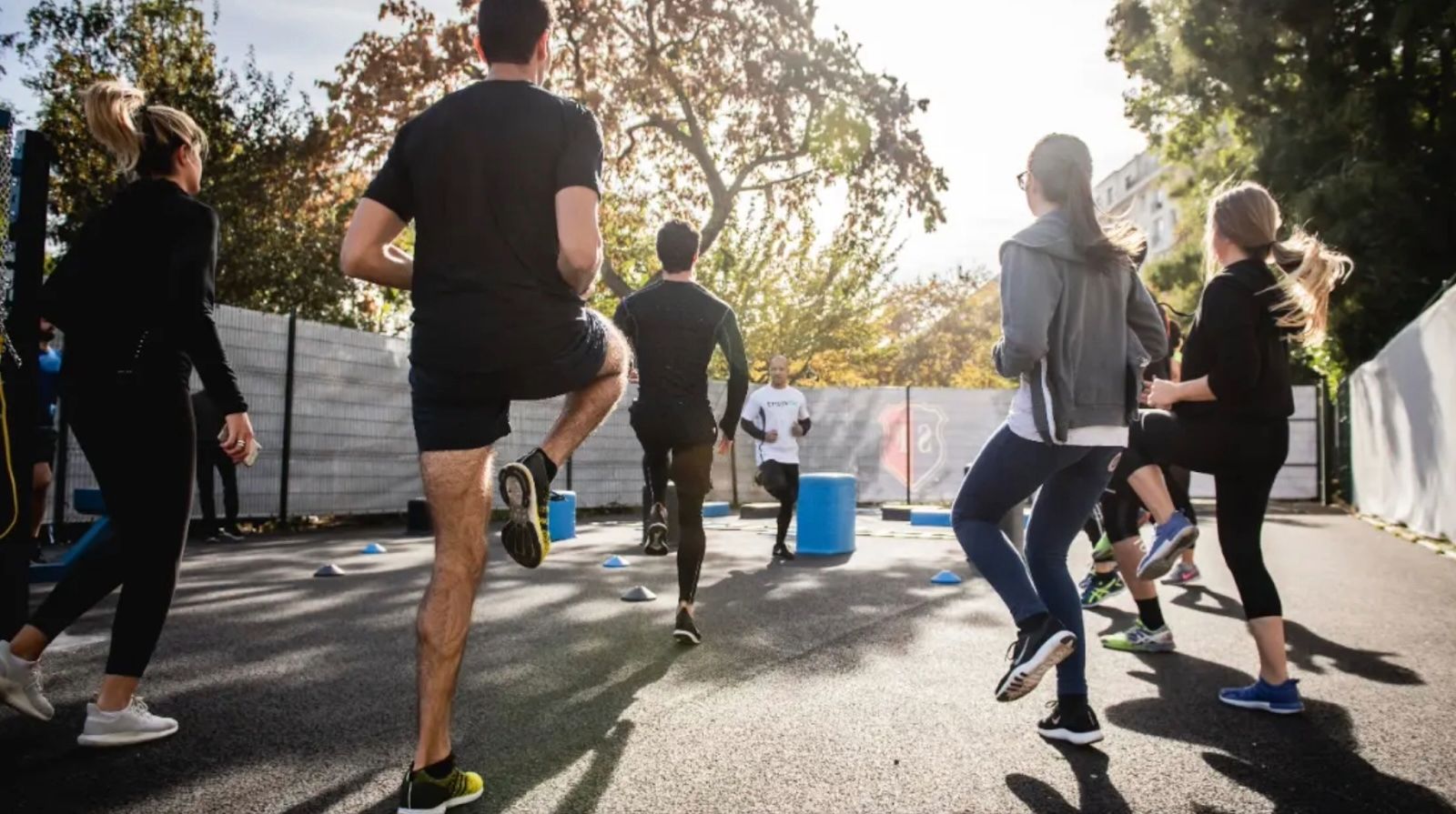
Running a 5K in under 20 minutes is one of the most sought-after goals for intermediate runners, and for good reason. Alcanzar esa marca sub-20 demuestra que has desarrollado una velocidad real, una gran resistencia y la disciplina para entrenar de forma coherente e inteligente. Para muchos corredores, es un hito que demuestra que ya no corres sólo por diversión; corres con un propósito, superando tus límites y viendo de lo que eres realmente capaz.
Pero seamos sinceros: no es fácil. Para superar los 20 minutos no basta con correr duro el día de la carrera. Requiere un entrenamiento inteligente, disciplina en el ritmo y confianza para mantener tu ritmo objetivo cuando las piernas empiezan a gritar. ¿La buena noticia? Con el plan y la mentalidad adecuados, y unas cuantas estrategias de eficacia probada, puedes conseguirlo, tanto si persigues un PB en Parkrun como si te apuntas a tu carrera local por carretera.
En esta guía completa, encontrarás todo lo que necesitas para hacer realidad tu sueño de correr una sub-20
- Ritmos y ritmos parciales exactos para que sepas qué objetivos alcanzar en cada kilómetro.
- Pruebas de fitness para comprobar si estás listo para afrontarlo.
- A proven training plan with the sessions you need to build speed and endurance.
- Tácticas para el día de la carrera para mantener un ritmo inteligente y terminar con fuerza.
- Expert tips and real success stories from coaches and runners who’ve cracked 20 themselves.
Se acabaron las conjeturas. Sólo consejos prácticos y probados que te ayudarán a correr tu 5K más rápido y a disfrutar del proceso.
¿Todo listo? ¡A por esa carrera por debajo de los 20 minutos!
¿Qué se necesita para correr por debajo de los 20 min?
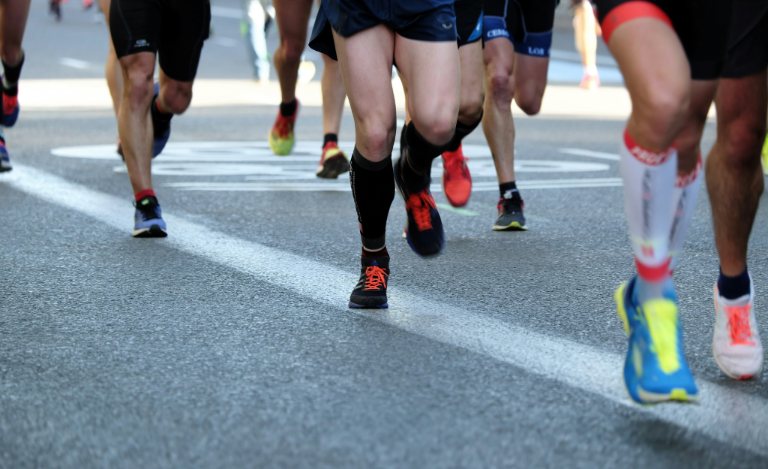
Para correr 5 km en menos de 20 minutos, debes mantener un ritmo de 6 minutos y 26 segundos por milla, o exactamente 4:00 por kilómetro. Ese es tu objetivo: cada milla, cada kilómetro, sin margen para desviarte del ritmo.
En pocas palabras, tendrás que recorrer cada kilómetro en 4 minutos planos.
Parece sencillo. Pero, cuando el ritmo parece rápido y tus piernas empiezan a fatigarse, mantener ese ritmo requiere algo más que velocidad bruta. Necesitas una combinación de resistencia a la velocidad, confianza para establecer tu ritmo objetivo y agallas mentales para empujar cuando se pone difícil.
¿Para quién es realista este objetivo?
Si actualmente corres tus 5 km en torno a 21:00–22:30, estás en una posición ideal para bajar de los 20 minutos con el plan de entrenamiento adecuado. Has construido una sólida base aeróbica, pero ahora se trata de afinar tu velocidad, aumentar tu umbral de lactato y ajustar el ritmo el día de la carrera.
No te preocupes si tu PB sigue siendo un poco más lenta; muchos corredores se sorprenden a sí mismos cuando entrenan específicamente para este objetivo. Si entrenas con inteligencia y te centras en los entrenamientos adecuados, conseguirás que ese ritmo de 4:00 por kilómetro deje de ser intimidante para convertirse en algo natural.
¿Te sientes preparado/a para un sub-20?
Antes de lanzarte a perseguir un 5K sub-20, es inteligente comprobar si tu forma física actual es la adecuada. Lo último que quieres es esforzarte demasiado pronto y acabar frustrado o lesionado. Utiliza estos sencillos puntos de referencia para saber si estás preparado para entrenar a un ritmo de 4:00/km con confianza.
Sesiones de referencia
1. La prueba de 3 repeticiones de 1K
Dirígete a una pista o a un tramo de carretera llano y recto y corre 3 repeticiones de 1 km con 2-3 minutos de trote ligero o caminata entre repeticiones.
- El objetivo es recorrer cada kilómetro en 3:55–4:00.
- Si puedes completar las tres repeticiones sintiéndote fuerte (y crees que podrías hacer una o dos más), es probable que estés preparado para aguantar el ritmo necesario el día de la carrera.
2. La contrarreloj de 1 milla
Como alternativa, prueba una contrarreloj de 1 milla a toda velocidad .
- Calienta bien, luego corre una milla fuerte pero controlada.
- Si puedes correr alrededor de 6:00–6:10 y sientes que podrías seguir (¡con un poco de entrenamiento!), es una buena señal de que estás cerca de alcanzar una forma física inferior a 20.
Estas pruebas son formas rápidas pero fiables de calibrar si tienes la velocidad y la resistencia necesarias para perseguir tu ritmo objetivo, o si podrías beneficiarte de construir primero una base más fuerte.
Comprueba tu base de kilometraje semanal
El trabajo de velocidad por sí solo no te llevará allí. Tu cuerpo necesita una base aeróbica para soportar intervalos duros, recuperarse bien y mantener la forma al final de la carrera.
Como regla general:
- Ya deberías sentirte cómodo corriendo entre 20 y 30 km (12-20 millas) a la semana durante al menos 4-6 semanas.
- Si tu kilometraje semanal es inferior, dedica unas semanas a aumentar gradualmente antes de añadir sesiones de velocidad.
Una sólida base de kilometraje combinada con zancadas regulares o ligeros ejercicios de recuperación te preparará para afrontar entrenamientos más duros y mantenerte sin lesiones a medida que progresas.
Principios clave de la formación
Para superar esa difícil barrera de los 20 minutos, tu plan de entrenamiento necesita el equilibrio adecuado entre velocidad, resistenciay disciplina en el ritmo. No se trata sólo de correr más, sino de entrenar de forma más inteligente. Esto es en lo que debes centrarte cada semana.
1. Aumenta el kilometraje gradualmente
Una base aeróbica sólida es el arma secreta de cualquier corredor fuerte de 5K. Te da la resistencia necesaria para mantener el ritmo cuando los demás desfallecen y ayuda a tu cuerpo a recuperarse más rápidamente entre las sesiones más duras.
- Apunta a 25-40 km (15-25 millas) por semana si eres un corredor intermedio.
- Aumenta tu kilometraje lentamente (no más del 10% por semana) para evitar lesiones.
- Mantén la mayoría de estos kilómetros fáciles y conversacionales. ¡Tus duros entrenamientos harán lo suficiente para aumentar tu velocidad!
2. Incluir intervalos
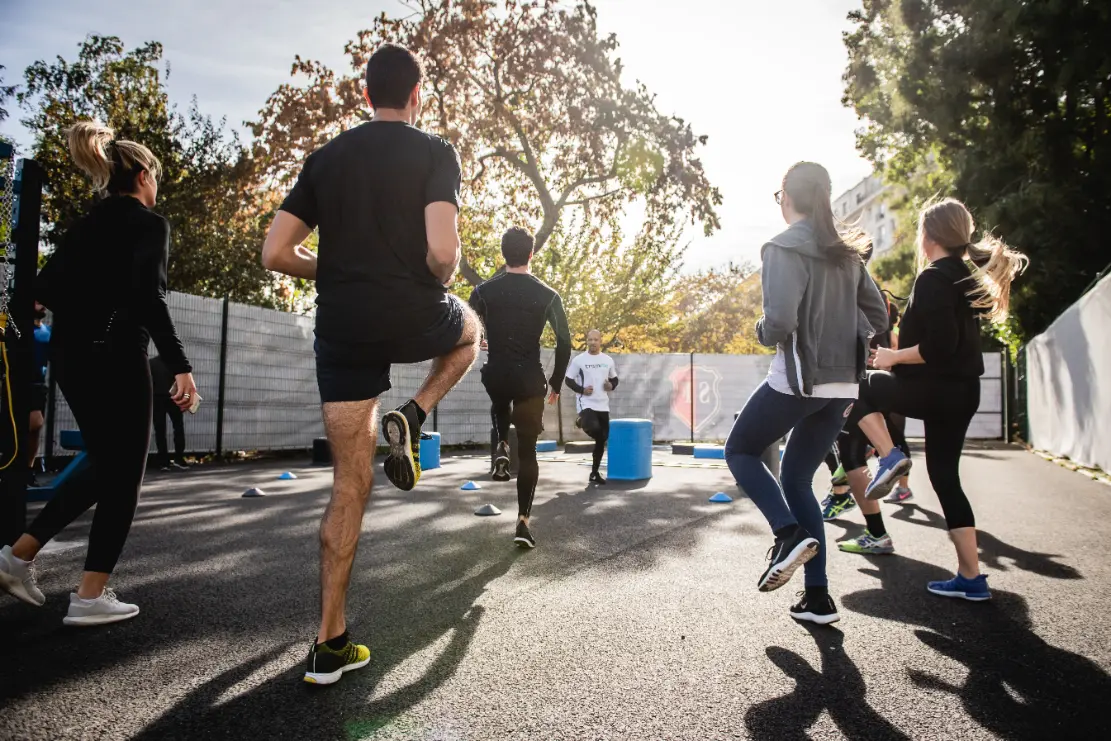
En los intervalos es donde se produce la magia de la velocidad 5K. Te ayudan a sentirte cómodo corriendo a ritmo de carrera o más rápido que éste, y entrenan a tu cuerpo para eliminar el lactato de forma más eficaz.
- Prueba sesiones clásicas como repeticiones de 400m, repeticiones de 800m, o repeticiones de 1K a tu ritmo objetivo o ligeramente más rápido.
- Calienta siempre a fondo y haz recuperaciones trotando o caminando entre repeticiones.
Una sesión sólida de intervalos a la semana es suficiente para la mayoría de los corredores.
3. Añadir carreras a ritmo
Las carreras a ritmo (también llamadas carreras de umbral) te enseñan a mantener un esfuerzo fuerte y constante durante más tiempo. Son un puente entre la resistencia y la velocidad, ya que aumentan tu umbral de lactato para que puedas mantener ritmos más rápidos con menos esfuerzo.
- Ejecútalos a aproximadamente 85-90% de tu esfuerzo máximo, o aproximadamente 10-15 segundos más lento por km que tu ritmo objetivo.
- Un buen punto de partida es 20-25 minutos a ritmo de tempo después de un calentamiento.
4. No te saltes la carrera larga
Aunque sólo corras carreras de 5 km, una carrera larga semanal es oro. Desarrolla la fuerza aeróbica, mejora la eficacia quemagrasas y endurece las piernas para el día de la carrera.
- Dirígete a 60-75 minutos a un ritmo fácil.
- Piensa en ello como una sesión de tiempo sobre los pies, no es necesario que sea rápida.
5. Trabajo de fuerza y movilidad
El entrenamiento de fuerza no es sólo para maratonianos. Un cuerpo fuerte te ayuda a correr más rápido, a mantener una buena forma cuando estás cansado y a evitar las molestas lesiones que pueden hacer descarrilar tu entrenamiento.
- Concéntrate en la activación de los glúteos, la estabilidad del tronco, y la fuerza de una sola pierna, todas ellas cruciales para una carrera potente y eficiente.
- Añade trabajo de movilidad para que tus caderas, isquiotibiales y pantorrillas se muevan libremente.
- basta con 1-2 sesiones cortas a la semana. Incluso 15-20 minutos en casa pueden marcar una gran diferencia
Ritmo & Estrategia para el día de la carrera
Al cruzar la línea de salida, tu plan es tan importante como tu fitness, y una estrategia de ritmo adecuada puede llevarte a batir tu récord personal y bajar de los 20 minutos. A continuación te explicamos cómo configurarlo:
1. Calienta adecuadamente
Un buen calentamiento es tu arma secreta para alcanzar tu ritmo objetivo desde el principio, sin sentir que tus piernas son de piedra.
- Easy Jog: Start with 10–15 minutes of gentle jogging to get your blood flowing and muscles loosened up.
- Dynamic Stretches: Add leg swings, lunges, or hip circles to open up your range of motion.
- Strides: Finish with 4–5 short strides at faster-than-race pace — about 80–90% of max effort — to prime your legs for that first fast kilometre.
Cuando estés en la línea de salida, deberías sentirte caliente, alerta y listo para rodar.
2. Start Smart
Es muy tentador salir demasiado rápido, pero nada mata más rápido un intento de sub-20 que reventar en el primer kilómetro.
- Stick to your goal pace: 4:00 per km or 6:26 per mile.
- Tu primer kilómetro debe sentirse controlado, como si te contuvieras ligeramente.
- Si llegas a tu primer split y te parece demasiado fácil, ¡es perfecto! Confía en que el esfuerzo aumentará de forma natural a medida que avance la carrera.
3. Mantén los nervios de punta
The third and fourth kilometres are where most runners lose their PB. La fatiga empieza a aparecer, tu cerebro te susurra "más despacio" y tu forma puede venirse abajo si no tienes cuidado.
- Concéntrate en una buena postura: torso alto, hombros relajados y rotación rápida.
- Concéntrate en tu cadencia. Piensa en pasos ligeros y rápidos en lugar de zancadas largas y pesadas.
- Elige a un corredor justo delante de ti e intenta mantener tu ritmo o reducir la distancia lentamente.
4. Clava el kilómetro final
Aquí es donde haces que suceda. Recuérdate que te quedan menos de 4-5 minutos de carrera dura. ¡Puedes hacer cualquier cosa durante tanto tiempo!
- Busca un punto de referencia a unos 400 metros de la meta: una señal, un árbol, una esquina.
- When you hit that mark, dig in and surge. Vacía el depósito con todo lo que tengas.
- Mantén la vista alta y conduce hacia la línea. Remember: every second counts!
Consejos mentales para superar los 20
Correr una 5K sub-20 es tanto un reto mental como físico. Tus piernas harán lo que les hayas entrenado a hacer, pero tu mente es lo que te mantiene empujando cuando cada fibra quiere frenar. He aquí cómo desarrollar esa fortaleza mental y mantenerte firme de principio a fin:
Divide la carrera en trozos
No te dejes abrumar por toda la distancia. Divide mentalmente la carrera en cinco tramos de 1 km, cada uno con su propio mini objetivo:
- 1K: Ponte cómodo. Encuentra tu ritmo, relájate y confía en tu ritmo.
- 2K: Mantente firme. Mantén la calma y el control.
- 3K: Mantén la concentración. Recuerda que aquí es donde debes mantenerte fuerte.
- 4K: Esto es lo que hay. Aquí todos lo sienten; ¡no estás solo!
- 5K: Todo incluido. Empuja y vacía el depósito.
Cuando te centras en un trozo cada vez, 5K no parece tan intimidante.
Utiliza mantras positivos
Cuando las cosas se ponen difíciles, un simple mantra puede mantenerte bloqueado. Elige una frase corta que te haga sentir bien y repítela al ritmo de tu zancada:
- "Relájate y rueda"
- "Fuerte y suave"
- "Un paso más"
Esto ayuda a acallar los pensamientos negativos e impide que tu cerebro te convenza para que te eches atrás.
Concéntrate en tu respiración
Tu respiración es tu ancla cuando tus piernas y pulmones empiezan a arder. Mantenlo firme y rítmico: dentro dos pasos, fuera dos. Centrarte en la respiración te mantiene tranquilo, te ayuda a mantener la forma y evita que te tenses.
Visualiza el éxito
En tus últimas carreras de entrenamiento, dedica unos momentos a visualizar el día de la carrera. Imagínate a ti mismo corriendo con fuerza, alcanzando cada tramo y avanzando hacia la meta. Imagina que el reloj marca 19:59 cuando cruzas. Te sorprenderá lo mucho que esta imagen mental puede aumentar tu confianza cuando llegue el gran día.
Nutrición & Equipamiento para una 5K Sub-20

Incluso para una carrera de 5 km, lo que comes y vistes puede marcar una diferencia real cuando estás persiguiendo cada segundo. El objetivo es mantener las cosas sencillas (y familiares) para que puedas centrarte al 100% en tu ritmo, no en tu estómago o tus zapatillas.
La noche anterior
Tu combustible comienza el día antes de la carrera.
- Disfruta de una cena rica en carbohidratos : piensa en pasta, arroz o patatas con proteínas magras.
- Mantenlo equilibrado y no demasiado pesado. Quieres rellenar tus reservas de glucógeno sin sentirte hinchado.
- Bebe mucha agua durante el día, pero no te excedas justo antes de acostarte.
Carrera por la mañana
Si vas a correr por la mañana, un desayuno ligero puede ayudarte a evitar las punzadas de hambre, pero no te pesará.
- Opta por algo sencillo y familiar: un plátano, una tostada con un poco de miel o un bol pequeño de cereales.
- Come 2-3 horas antes de la carrera si es posible, y luego bebe agua a sorbos hasta la hora de inicio.
- Evita todo lo picante, graso o nuevo. ¡Ahora no es el momento de experimentar!
Equipamiento: Ligero y probado
Cuando buscas velocidad, tus zapatillas importan, pero no tanto como la confianza.
- Elige un calzado ligero para correr que te haga sentir rápido, pero solo si ya lo has usado antes.
- Limítate al equipo con el que has entrenado. Ni zapatos, ni calcetines, ni equipo nuevos. Hasta la ampolla más pequeña puede arruinarte el día.
- Comprueba la previsión meteorológica y vístete según las condiciones. Las capas están bien para calentar, pero desnúdate para la salida.
Preguntas frecuentes
¿Es bueno un 5K sub-20?
¿Cuánto tiempo se tarda en entrenar para una sub-20?
¿Qué ritmo requiere una sub-20 de 5 km?
¿Qué tipo de sesiones de entrenamiento son las más útiles?
Do I need high weekly mileage to break 20 minutes?

Take your running to the next level
Tu entrenador personalizado con planes de entrenamiento a la medida que te ayudarán a alcanzar tus objetivos, desde correr 5 km más rápido hasta terminar tu primer maratón.
Escanea para empezar


