

Come correre una 5K sotto i 20 minuti: la guida definitiva per superare i 20 minuti
Iniziare il tuo percorso di corsa dovrebbe essere emozionante, non opprimente. I nostri programmi di allenamento ti danno la struttura, il supporto e la flessibilità che ti servono per passare dal primo passo alla corsa di 5 km, indipendentemente dal tuo punto di partenza.
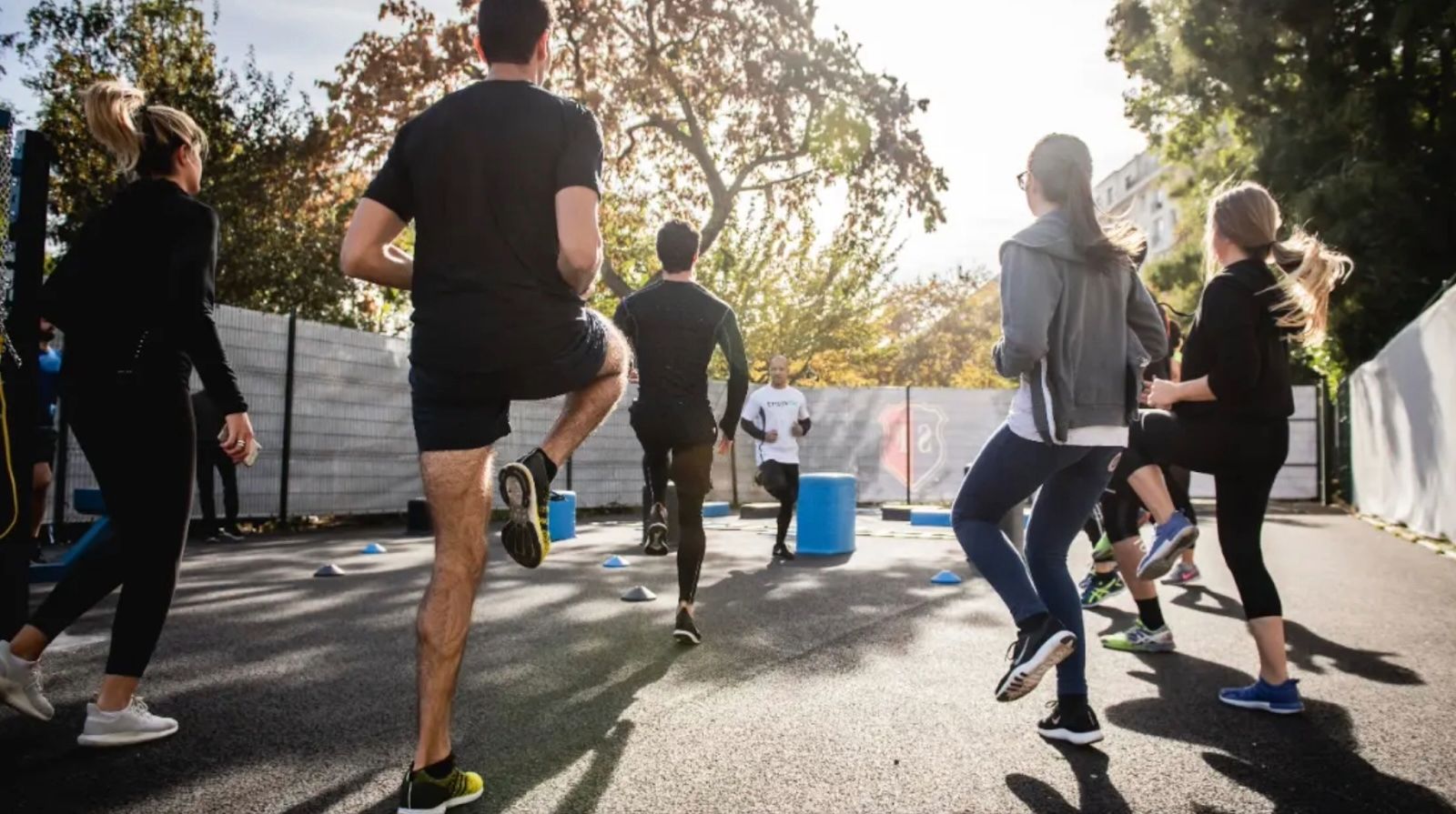
Running a 5K in under 20 minutes is one of the most sought-after goals for intermediate runners, and for good reason. Raggiungere la soglia dei 20 punti dimostra che hai sviluppato una velocità reale, una forte resistenza e la disciplina necessaria per allenarti in modo coerente e intelligente. Per molti corridori è una pietra miliare che dimostra che non stai più facendo jogging solo per divertimento, ma che stai correndo con uno scopo, superando i tuoi limiti e vedendo di cosa sei veramente capace.
Ma siamo onesti: non è facile. Per superare i 20 minuti non basta solo correre intensamente il giorno della gara. Richiede un allenamento intelligente, una disciplina del passo e la fiducia di mantenere il ritmo prefissato quando le gambe iniziano ad urlare. La buona notizia? Con il giusto piano, la giusta mentalità e alcune strategie collaudate, puoi assolutamente farcela, sia che tu stia inseguendo un PB a Parkrun o che ti stia preparando per la tua corsa su strada locale.
In questa guida completa troverai tutto ciò di cui hai bisogno per realizzare il tuo sogno sub-20
- Ritmi e passi intertempo esatti così sai cosa fare ogni chilometro.
- per vedere se la tua condizione fisica è pronta per iniziare.
- A proven training plan with the sessions you need to build speed and endurance.
- Tattiche per il giorno della gara a a mantenere un passo intelligente e a finire alla grande.
- Expert tips and real success stories from coaches and runners who’ve cracked 20 themselves.
Niente più congetture. Solo consigli pratici e comprovati per aiutarti a correre la tua 5K più veloce e a goderti il processo durante il percorso.
i pronti? Andiamo a prendere quel sub-20!
Cosa serve per correre sotto i 20?
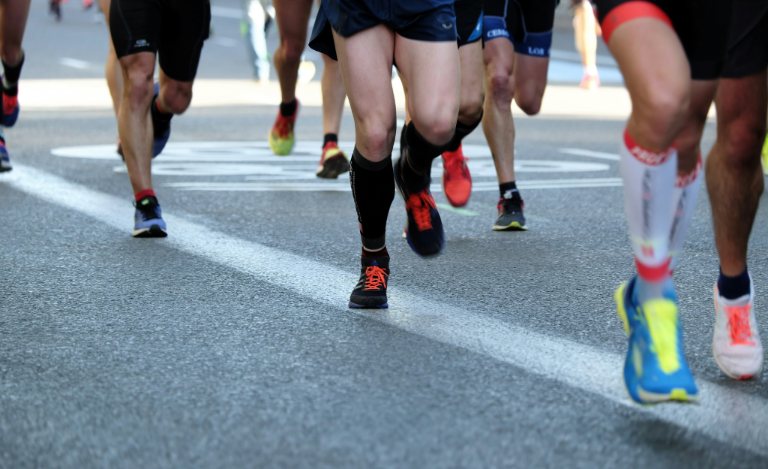
Per correre una 5 km in meno di 20 minuti, devi tenere un passo di 6 minuti e 26 secondi al miglio, o esattamente 4:00 al chilometro. Questo è il tuo obiettivo: ogni singolo miglio, ogni singolo chilometro, senza lasciare spazio alla deriva del ritmo.
In parole povere, dovrai percorrere ogni chilometro in 4 minuti netti.
Sembra semplice. Ma quando il ritmo è veloce e le gambe iniziano ad affaticarsi, mantenere il ritmo richiede qualcosa di più della semplice velocità. Devi avere una combinazione di resistenza alla velocità, fiducia nel tuo obiettivo e grinta mentale per spingere quando le cose si fanno difficili.
Per chi è realistico questo obiettivo?
Se al momento corri i tuoi 5 km intorno ai 21:00–22:30, sei nella posizione ideale per scendere sotto i 20 minuti con il giusto programma di allenamento. Hai costruito una solida base aerobica, ma ora si tratta di affinare la velocità, aumentare la soglia del lattato e mettere a punto il ritmo di gara.
Non preoccuparti se il tuo PB è ancora un po' più lento; molti corridori si sorprendono quando si allenano specificamente per questo obiettivo. Allenandoti in modo intelligente e scegliendo gli allenamenti giusti, riuscirai a trasformare il ritmo di 4:00 al chilometro da intimidatorio a naturale.
Sei pronto per il Sub-20?
Prima di lanciarti all'inseguimento di un 5K sub-20, è bene che tu verifichi se il tuo stato di forma attuale è adeguato. L'ultima cosa che vuoi è spingere troppo presto e finire frustrato o infortunato. Usa questi semplici parametri di riferimento per capire se sei pronto ad allenarti a un ritmo di 4:00/km con fiducia.
Sessioni di benchmark
1. Il test delle 3 ripetizioni da 1K
Vai su una pista o su un tratto di strada pianeggiante e preciso e corri 3 ripetute da 1 km con 2-3 minuti di jogging leggero o camminata tra una ripetuta e l'altra.
- Cerca di fare ogni chilometro in 3:55–4:00 .
- Se riesci a completare tutte e tre le ripetizioni sentendoti forte (e credi di poterne fare altre due), probabilmente sei pronto a gestire il ritmo richiesto il giorno della gara.
2. La prova a tempo di 1 miglio
In alternativa, prova una prova a tempo di 1 miglio a tutta velocità .
- Riscaldati bene, poi corri un chilometro in modo intenso ma controllato.
- Se riesci a correre intorno ai 6:00–6:10 e pensi di poter continuare (con un po' di allenamento!), è un ottimo segno che sei vicino a una condizione fisica sotto i 20 minuti.
Questi test sono modi rapidi ma affidabili per valutare se hai la velocità e la resistenza per inseguire il tuo obiettivo di velocità, o se potresti trarre vantaggio dal costruire prima una base più solida.
Controlla il tuo chilometraggio settimanale di base
Il lavoro di velocità da solo non ti porterà a questo risultato. Il tuo corpo ha bisogno di una base aerobica per gestire gli intervalli più duri, recuperare bene e mantenere la forma nella parte finale della gara.
Come regola generale:
- Dovresti già sentirti a tuo agio nel correre 20-30 km (12-20 miglia) a settimana per almeno 4-6 settimane.
- Se il tuo chilometraggio settimanale è inferiore a questo valore, dedica qualche settimana a un aumento graduale prima di aggiungere sessioni veloci.
Una solida base di chilometraggio, combinata con corse regolari o pick-up leggeri, ti permetterà di affrontare gli allenamenti più duri e di non subire infortuni man mano che progredisci.
Principi chiave della formazione
Per superare quella difficile barriera dei 20 minuti, il tuo piano di allenamento deve avere il giusto mix di velocità, resistenzae disciplina nel passo. Non si tratta solo di correre più intensamente, ma di allenarsi in modo più intelligente. Ecco su cosa dovresti concentrarti ogni settimana
1. Costruisci il chilometraggio gradualmente
Una solida base aerobica è l'arma segreta di ogni forte corridore di 5K. Ti dà la resistenza per mantenere il ritmo quando gli altri si affievoliscono e aiuta il tuo corpo a recuperare più velocemente tra le sessioni più dure.
- Punta su 25-40 km (15-25 miglia) a settimana se sei un corridore intermedio.
- Aumenta il chilometraggio settimanale lentamente (non più del 10% a settimana) per evitare infortuni.
- Mantieni la maggior parte di questi chilometri facili e discorsivi. I tuoi allenamenti intensivi saranno sufficienti per aumentare la tua velocità!
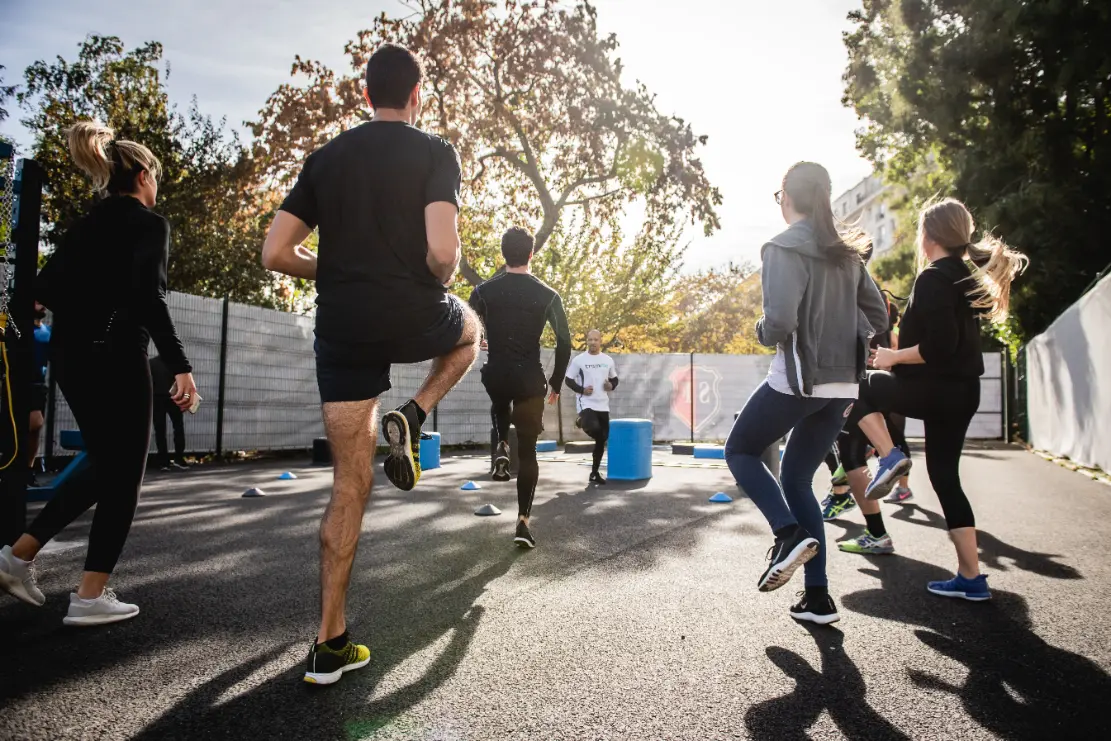
2. Includi gli intervalli
Gli intervalli sono il luogo in cui avviene la magia per la velocità dei 5K. Ti aiutano a sentirti a tuo agio correndo su a un ritmo uguale o superiore a quello di gara, e allenano il tuo corpo a smaltire il lattato in modo più efficiente.
- Prova sessioni classiche come ripetizioni di 400 metri, ripetizioni di 800 metri, o ripetizioni di 1K al tuo ritmo obiettivo o leggermente più veloce.
- Riscaldati sempre a fondo e recupera con una corsa o una camminata tra le ripetizioni.
Una sessione di intervalli solida a settimana è sufficiente per la maggior parte dei corridori.
3. Aggiungi corse a tempo
Le corse a tempo (chiamate anche corse di soglia) ti insegnano a mantenere uno sforzo forte e costante per più tempo. Sono un ponte tra la resistenza e la velocità, aumentando la soglia del lattato in modo da poter sostenere ritmi più veloci con meno sforzo.
- Corri a circa 85-90% del tuo sforzo massimo, ovvero circa 10-15 secondi più lento al km rispetto al tuo obiettivo di corsa.
- Un buon punto di partenza è 20-25 minuti a tempo dopo un riscaldamento.
4. Non saltare la corsa lunga
Anche se corri solo 5K, una corsa lunga settimanale è oro. Costruisce la forza aerobica, migliora l'efficienza della combustione dei grassi e irrobustisce le gambe per il giorno della gara.
- Punta su 60-75 minuti a un ritmo facile.
- Considerala come una sessione di tempo sui piedi: non deve essere necessariamente veloce.
5. Lavoro di forza e mobilità
L'allenamento della forza non è solo per i maratoneti. Un corpo forte ti aiuta a correre più velocemente, a mantenere una buona forma quando sei stanco e a evitare fastidiosi infortuni che possono far deragliare il tuo allenamento.
- Concentrati sull' attivazione dei glutei, sulla stabilità del coree sulla forza della gamba singola, tutti elementi fondamentali per una corsa potente ed efficiente.
- Aggiungi un lavoro di mobilità per far muovere liberamente i fianchi, i tendini del ginocchio e i polpacci.
- sono sufficienti 1-2 sessioni brevi a settimana. Anche 15-20 minuti a casa possono fare una grande differenza
Il Pacing & Strategia per il giorno della gara
Quando ti metti sulla linea di partenza, il tuo piano è importante quanto la tua condizione fisica: la giusta strategia di passo può portarti a un risultato sotto i 20 minuti. Ecco come si fa:
1. Riscaldati correttamente
Un buon riscaldamento è l'arma segreta per raggiungere il tuo obiettivo fin dall'inizio, senza sentirti le gambe di pietra.
- Easy Jog: Start with 10–15 minutes of gentle jogging to get your blood flowing and muscles loosened up.
- Dynamic Stretches: Add leg swings, lunges, or hip circles to open up your range of motion.
- Strides: Finish with 4–5 short strides at faster-than-race pace — about 80–90% of max effort — to prime your legs for that first fast kilometre.
Al momento della partenza, dovresti sentirti caldo, sveglio e pronto a partire.
2. Iniziare in modo intelligente
La tentazione di partire troppo in fretta è forte, ma niente uccide più velocemente un tentativo di corsa sotto i 20 anni di un'esplosione nel primo chilometro.
- Stick to your goal pace: 4:00 per km or 6:26 per mile.
- Il primo chilometro deve essere controllato, come se ti stessi trattenendo leggermente.
- Se al primo split ti sembra troppo facile, è perfetto! Confida nel fatto che lo sforzo si accumulerà in modo naturale man mano che la gara andrà avanti.
3. Mantieni i nervi saldi nel mezzo
The third and fourth kilometres are where most runners lose their PB. La stanchezza inizia a farsi sentire, il cervello ti sussurra "rallenta" e la tua forma fisica può crollare se non stai attento.
- Concentrati su una buona postura: busto alto, spalle rilassate e rotazione veloce.
- Concentrati sulla cadenza. Pensa a passi leggeri e veloci piuttosto che a falcate lunghe e pesanti.
- Scegli un corridore davanti a te e cerca di mantenere il tuo ritmo o di ridurre il distacco lentamente.
4. Inchioda l'ultimo chilometro
È qui che lo fai accadere. Ricorda a te stesso che ti restano meno di 4-5 minuti di corsa intensiva. Puoi fare qualsiasi cosa per così tanto tempo!
- Cerca un punto di riferimento a circa 400 metri dal traguardo: un cartello, un albero, un angolo.
- When you hit that mark, dig in and surge. Svuota il serbatoio con tutto quello che hai.
- Tieni gli occhi alti e guida verso la linea. Remember: every second counts!
Consigli mentali per superare i 20 anni
Correre un 5K sub-20 è una sfida mentale tanto quanto una sfida fisica. Le tue gambe faranno ciò per cui le hai allenate, ma la tua mente è ciò che ti fa spingere quando ogni fibra vuole rallentare. Ecco come costruire la tua durezza mentale e rimanere concentrato dall'inizio alla fine:
Suddividi la gara in parti
Non lasciarti sopraffare dalla distanza. Divide mentalmente la gara in cinque tratti da 1 km, ognuno con il suo piccolo obiettivo:
- 1K: Mettiti comodo. Trova il tuo ritmo, rilassati e segui il tuo passo.
- 2K: Resta fermo. Fai tutto con calma e controllo.
- 3K: Rimani concentrato. Ricordati che è qui che devi essere forte.
- 4K: Questo è il lavoro duro. Qui lo sentono tutti; non sei da solo!
- 5K: Ci sto. Spingi e svuota il serbatoio.
Quando ti concentri su un pezzo alla volta, il traguardo dei 5K non ti sembra così intimidatorio.
Usa dei mantra positivi
Quando il gioco si fa duro, un semplice mantra può tenerti incollato. Scegli una breve frase che ti faccia sentire bene e ripetila a ritmo della tua falcata:
- "Rilassati e rotola"
- "Forte e scorrevole"
- "Un altro passo"
Questi aiutano a calmare i pensieri negativi e impediscono al tuo cervello di convincerti a fare marcia indietro.
Concentrati sul tuo respiro
Il respiro è la tua ancora quando le gambe e i polmoni iniziano a bruciare. Mantieni un ritmo costante: entra per due passi, esci per due. Concentrarti sul respiro ti mantiene calmo, ti aiuta a mantenere la forma e ti impedisce di irrigidirti.
Visualizza il successo
Durante gli ultimi allenamenti, dedica qualche momento alla visualizzazione del giorno della gara. Immagina di correre con forza, di centrare tutti gli intertempi e di arrivare al traguardo. Immagina che l'orologio segni 19:59 mentre attraversi. Sarai sorpreso di quanto questa immagine mentale possa aumentare la tua sicurezza quando arriverà il grande giorno.
Nutrizione & Attrezzatura per una 5K sub-20

Anche per una 5K, quello che mangi e che indossi può fare la differenza quando stai correndo ogni secondo. L'obiettivo è mantenere le cose semplici (e familiari) in modo che tu possa concentrarti al 100% sul tuo ritmo, non sullo stomaco o sulle scarpe.
La notte prima
Il tuo carburante inizia il giorno prima della gara.
- Prepara una cena ricca di carboidrati : pensa alla pasta, al riso o alle patate con proteine magre.
- Tienilo bilanciato e non troppo pesante. Vuoi ricaricare le tue scorte di glicogeno senza sentirti gonfio.
- Bevi molta acqua durante il giorno, ma non esagerare prima di andare a letto.
Mattina di gara
Se devi correre al mattino, una colazione leggera può aiutarti a evitare i morsi della fame ma non ti appesantisce.
- Scegli qualcosa di semplice e familiare : una banana, una fetta di pane tostato con un po' di miele o una piccola ciotola di cereali.
- Mangia 2-3 ore prima della gara se puoi, poi bevi acqua a piccoli sorsi fino all'ora di inizio.
- Evita tutto ciò che è piccante, grasso o nuovo di zecca. Non è il momento di fare esperimenti!
Attrezzatura: Tienilo leggero e collaudato
Quando si punta alla velocità, le scarpe sono importanti, ma non quanto la fiducia.
- Scegli delle scarpe da corsa leggere che ti fanno sentire veloce, ma solo se le hai già indossate prima.
- Resta fedele all'attrezzatura con cui ti sei allenato. Non sono ammessi scarpe, calzini o kit nuovi di zecca. Anche la più piccola vescica può rovinarti la giornata.
- Controlla le previsioni del tempo e vestiti in base alle condizioni. Gli strati vanno bene per il riscaldamento, ma per la partenza è bene indossare il kit da gara.
Domande frequenti
Un 5K inferiore a 20 è buono?
Quanto tempo ci vuole per allenarsi per raggiungere un livello sub-20?
Qual è l'andatura sub-20 per i 5K?
Quali tipi di allenamenti aiutano di più?
Do I need high weekly mileage to break 20 minutes?

Take your running to the next level
Il tuo coach personalizzato con piani di allenamento su misura per raggiungere i tuoi obiettivi di corsa, da una 5 km più veloce alla tua prima maratona completa.
Inquadra per iniziare


