

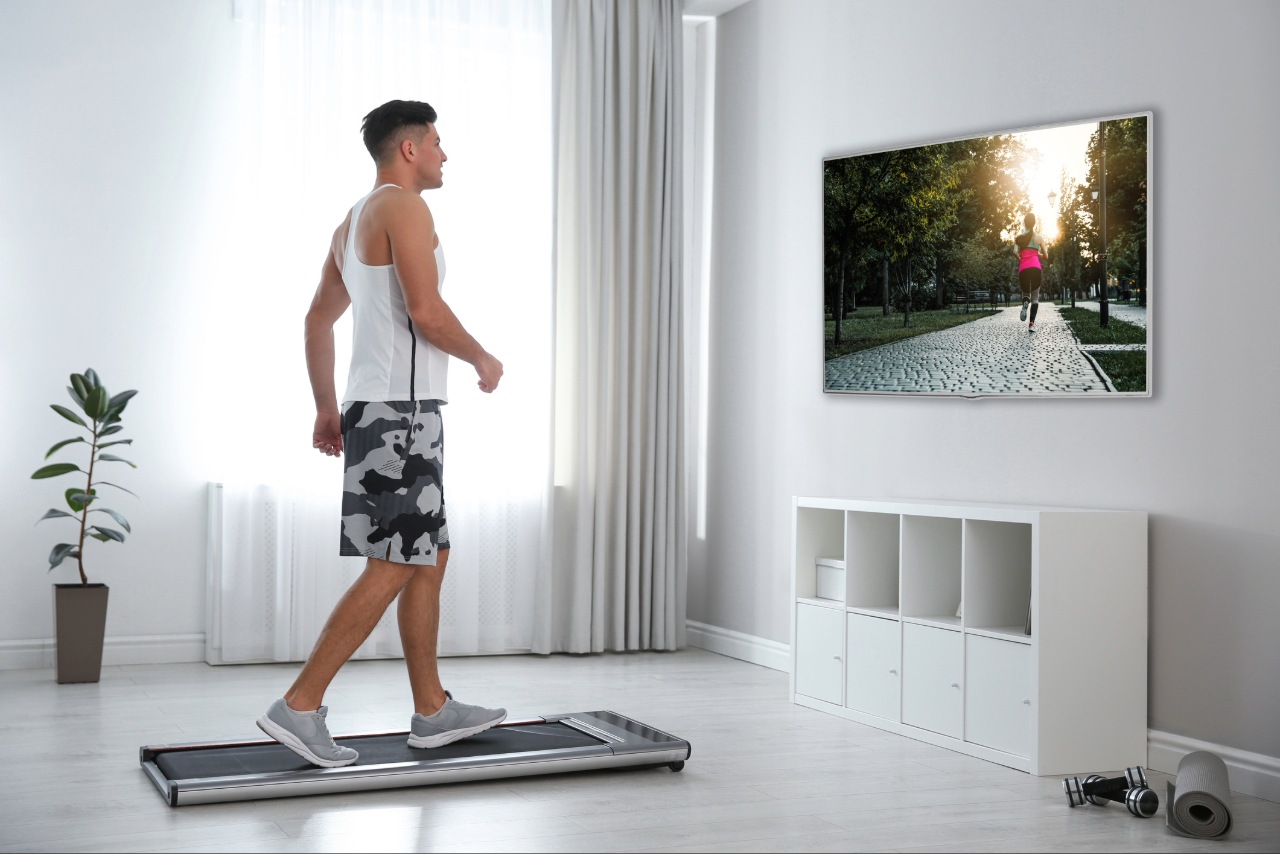
Las plataformas para caminar se han convertido en una de las formas más fáciles de incorporar más movimiento a tu día, ya sea que trabajes desde casa, dispongas de poco espacio o simplemente busques una forma de mantenerte activo sin realizar un gran esfuerzo. Desde compactas cintas de correr para debajo del escritorio hasta modelos más resistentes con inclinación y soporte adicional, ahora hay una amplia gama de opciones diseñadas para adaptarse a diferentes necesidades, espacios y presupuestos.
Para ayudarte a encontrar la más adecuada, hemos recopilado las mejores plataformas de caminata para comprar en 2026, clasificándolas por categoría y explicando para quién es más adecuada cada opción. Nos hemos centrado en el rendimiento, la comodidad y la facilidad de uso en el mundo real, para que puedas elegir una cinta de correr que se adapte realmente a tu rutina, y no solo una que parezca buena sobre el papel.
¿Por qué confiar en nosotros?
Runna existe para ayudar a las personas a moverse y entrenar mejor, y sabemos lo importante que es contar con el equipo adecuado para garantizar la comodidad, la constancia y la confianza. Mantenerse activo durante todo el día, ya sea durante los bloques de entrenamiento, las fases de recuperación o el movimiento diario, juega un papel importante en la salud y el rendimiento a largo plazo.
Nuestro equipo vive y respira por el entrenamiento, y aplicamos esa misma mentalidad práctica y centrada en el rendimiento a nuestras recomendaciones. Todas las cintas de correr que aparecen en esta guía se han ganado su lugar por ofrecer un equilibrio perfecto entre comodidad, facilidad de uso y fiabilidad en el mundo real, además de contar con una buena reputación entre los usuarios y las comunidades de fitness.
Cómo elegimos
Seleccionamos cada cinta de correr basándonos en especificaciones clave, facilidad de uso diario y opiniones consistentes de los usuarios, centrándonos en lo que realmente importa en el uso real. Nuestra evaluación dio prioridad al tamaño de la cinta, el rango de velocidad, la capacidad de peso, el nivel de ruido y el diseño del almacenamiento, junto con la calidad del motor, la estabilidad, la durabilidad y la construcción general.
También hemos tenido en cuenta el rendimiento de cada cinta de correr en diferentes casos de uso, sopesando sus puntos fuertes, sus inconvenientes y su relación calidad-precio en comparación con otras opciones similares. Todas las plataformas de caminata incluidas en esta guía se han ganado su lugar por destacar por una razón clara y práctica, lo que te ayuda a tomar una decisión segura y bien informada.
Resumen
Aquí tienes un breve resumen de nuestras mejores opciones, en función de lo que estés buscando:
La mejor cinta de correr en general: Cinta de correr plegable 2 en 1 GoPlus
La mejor cinta de correr premium: Cinta de correr plegable para debajo del escritorio WalkingPad A1 Pro de
La mejor cinta de correr económica: Cinta de correr inteligente DeerRun Q2 Urban
La mejor cinta de correr plegable: Cinta de correr plegable WalkingPad C2 de
La mejor cinta de correr silenciosa: Cinta de correr Rove Concepts Camino
La mejor plataforma de caminata para inclinación: UREVO CyberPad
La mejor cinta de correr para debajo del escritorio: Algunas opciones en función de tus prioridades
La mejor cinta de correr para personas mayores: Cinta de correr Redliro BalancePlus Rehabmill con pasamanos largos.
La mejor cinta de correr para personas con sobrepeso: Cinta de correr Trailviber Walking Pad de .
Factores clave de compra: qué hay que tener en cuenta
Las almohadillas para caminar pueden parecer similares a primera vista, pero las diferencias en tamaño, rendimiento y características pueden tener un gran impacto en cómo se sienten en el uso diario. Antes de comprar una cinta de correr, vale la pena pensar cómo y dónde la vas a utilizar, y qué características son las más importantes para ti.
1. Tamaño y huella
El espacio es uno de los factores más importantes a la hora de elegir una cinta de correr. Aunque todos los modelos son más compactos que las cintas tradicionales, las dimensiones totales y la longitud de la cinta siguen variando. Si tienes pensado utilizar una cinta de correr debajo de un escritorio o en una habitación pequeña, comprueba tanto su longitud como su anchura, así como la facilidad con la que se puede guardar cuando no se utiliza.
2. Plegabilidad y almacenamiento
Muchas plataformas para caminar están diseñadas para plegarse o deslizarse fácilmente. Algunos se pliegan por la mitad, mientras que otros se pueden guardar debajo de un sofá o una cama. Si el espacio es limitado o si piensas mover la cinta de correr con regularidad, vale la pena tener en cuenta la plegabilidad, las ruedas incorporadas y el peso total.
3. Rango de velocidad
La mayoría de las cintas de correr están diseñadas para caminar, no para correr, pero las velocidades máximas pueden variar. Las velocidades más bajas son ideales para moverse con suavidad mientras se trabaja, mientras que las velocidades máximas más altas son adecuadas para caminar a paso ligero o trotar suavemente. Comprueba siempre el rango de velocidad para asegurarte de que se ajusta al uso que le vas a dar a la cinta de correr.
4. Nivel de ruido
El nivel de ruido es especialmente importante si vives en un apartamento, compartes tu espacio o tienes pensado utilizar una cinta de correr mientras trabajas o estás al teléfono. Los motores más silenciosos y las correas más suaves suelen proporcionar una experiencia más cómoda, especialmente en sesiones más largas.
5. Límite de peso y calidad de fabricación
Cada cinta de correr tiene un peso máximo para el usuario, por lo que es fundamental elegir una que te resulte cómoda. Los límites de peso más altos suelen indicar una estructura más resistente y un motor más duradero, lo que también puede contribuir a que la cinta de correr dure más tiempo.
6. Tamaño y comodidad del cinturón
El tamaño de la superficie de marcha influye considerablemente en la comodidad y la estabilidad. Una cinta más larga o más ancha puede resultar más cómoda para caminar, especialmente para usuarios más altos o con zancadas más largas. Algunas plataformas para caminar también ofrecen amortiguación adicional, lo que puede resultar útil si piensas utilizarlas con regularidad.
7. Opciones de inclinación
Algunas cintas de correr incluyen una inclinación fija o ajustable, lo que añade un reto adicional sin aumentar la velocidad. Caminar en pendiente puede aumentar la intensidad y la variedad, lo que lo convierte en una función útil para quienes desean sacar más partido a sus caminatas diarias.
8. Funciones inteligentes y conectividad
Las plataformas de marcha inteligentes pueden ofrecer conectividad con aplicaciones o seguimiento de actividades, como los pasos o las calorías. Estas funciones no son esenciales, pero pueden resultar motivadoras si te gusta realizar un seguimiento de tu actividad física o utilizar herramientas de fitness conectadas.
9. Precio y garantía
Los precios de las cintas de correr varían mucho, por lo que vale la pena considerar lo que obtienes por tu presupuesto. Además de las características y la calidad de fabricación, comprueba la garantía y la atención al cliente, especialmente si piensas utilizar la cinta de correr con frecuencia.
10. Cómo piensas utilizarlo
Algunas plataformas de caminata son más adecuadas para un uso ocasional, mientras que otras están diseñadas para sesiones diarias más largas. Si tienes pensado caminar durante periodos prolongados, factores como la longitud de la cinta, la calidad del motor y la estabilidad cobran mayor importancia. Para un uso más breve o informal, es posible que te interese más un tamaño compacto y fácil de guardar.
¡Empecemos!
La mejor plataforma para caminar en general
Cinta de correr plegable 2 en 1 GoPlus
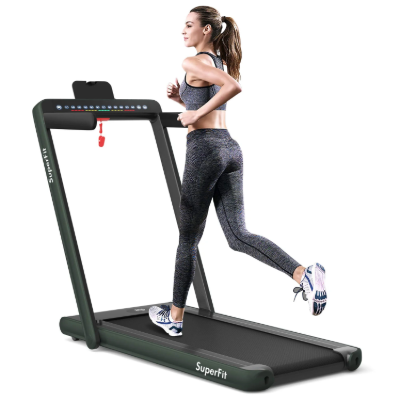
Longitud de la pista: Cinta de 40″ (101 cm)
Límite de peso: 265 lbs (120 kg)
Velocidad máxima: 12 km/h (7,5 mph) en modo carrera; 4 km/h (2,5 mph) en modo caminata
Nivel de ruido: Motor ultrasilencioso de 2,25 CV
Precio: 359 $ (267 £) en la página web oficial de Goplus
Ventajas
- Diseño 2 en 1 de doble modo: funciona como cinta de caminar y cinta de correr.
- Motor potente pero silencioso de 2,25 CV, ideal para uso doméstico y en la oficina.
- Plegable y compacto, con ruedas de transporte.
- Pantallas duales, Bluetooth, soporte para teléfono Control mediante la aplicación & : útil función de seguimiento y opciones de entretenimiento.
- Cinturón amortiguador para mayor comodidad y confort.
Contras
- El modo de caminata tiene un límite de velocidad, lo que puede resultar restrictivo para las personas que caminan más rápido.
- No tan estables ni espaciosas como las cintas de correr de tamaño completo.
Por qué nos encanta
La cinta de correr plegable 2 en 1 GoPlus de con doble pantalla se ha ganado tu puesto como la mejor cinta de correr en general gracias a su excelente equilibrio entre rendimiento, versatilidad y relación calidad-precio. A diferencia de muchas cintas de correr que se limitan a velocidades lentas, este modelo funciona tanto como cinta de correr para debajo del escritorio como cinta compacta para caminar a paso ligero o correr suavemente. La combinación de un motor silencioso de 2,25 CV, un diseño plegable y características bien pensadas, como pantallas duales y Bluetooth, lo hacen ideal para el uso diario.
Es una opción excelente para quienes desean una máquina que permita caminar cómodamente mientras se trabaja, así como sesiones ocasionales más rápidas. Sin embargo, aquellos que busquen una experiencia de cinta de correr de tamaño completo con una banda más larga o que tengan pensado duplicar la velocidad y correr a velocidades más altas pueden encontrarla más limitada que una cinta de correr tradicional.
La mejor alfombrilla para caminar de alta gama
Cinta de correr plegable para debajo del escritorio WalkingPad A1 Pro

Longitud de la pista: Cinta de 120 cm (47,2″)
Límite de peso: 136 kg (300 lb)
Velocidad máxima: hasta 6 km/h (3,72 mph)
Nivel de ruido: Motor silencioso sin escobillas diseñado para un uso doméstico y en la oficina con bajo nivel de ruido
Precio: ~799 $ (595 £) en la página web oficial de WalkingPad
Ventajas
- La cinta de correr más ancha y larga ofrece más espacio que muchas cintas de correr compactas.
- Su gran capacidad de peso (136 kg) lo hace adecuado para una amplia gama de usuarios.
- Tu diseño plegable con ruedas facilita su almacenamiento debajo de un escritorio o sofá.
- Control automático de velocidad FootSense más control manual/remoto/mediante aplicación
- La pantalla LED clara muestra la velocidad, el tiempo, la distancia, las calorías y mucho más.
- Construcción duradera con amortiguación multicapa para caminar cómodamente todos los días.
Contras
- Sin opción de inclinación
- Caro
Por qué nos encanta
La cinta de correr plegable WalkingPad A1 Pro de se ha ganado su lugar como la mejor cinta de correr premium gracias a su cuidada combinación de comodidad, calidad de fabricación, funciones avanzadas y facilidad de uso. Destaca entre las cintas de correr compactas por su superficie de carrera más amplia, su mayor capacidad de peso y su construcción de alta calidad, lo que proporciona una experiencia de carrera más estable sin sacrificar la comodidad de plegarse. La adaptación automática de la velocidad y el seguimiento claro a través de la pantalla LED o la aplicación WalkingPad añaden un nivel de perfección que lo distingue de los modelos más básicos.
Es una excelente opción si deseas una cinta de correr premium para debajo del escritorio o para el hogar que resulte cómoda para el uso diario y sea apta para una amplia gama de usuarios. Si estás buscando específicamente una cinta para caminar en pendiente o un modelo híbrido que también funcione como cinta de correr completa, quizá te interese considerar otras opciones.
La mejor cinta de correr económica
Cinta de correr inteligente urbana DeerRun Q2
.webp)
Longitud de la pista: ~35,43″ de cinta
Límite de peso: 300 lb (136 kg)
Velocidad máxima: 3,8 mph (6 km/h)
Nivel de ruido: Motor sin escobillas para un bajo nivel de ruido
Precio: 289 $ (215 £) en la página web oficial de DeerRun
Ventajas
- Incluye una opción de inclinación del 7 %, algo poco habitual en este rango de precios y que añade más intensidad al caminar.
- Compacto y ligero para guardarlo fácilmente debajo de escritorios, camas o sofás.
- Control remoto y control opcional mediante aplicación para ajustar fácilmente la velocidad y realizar un seguimiento. La pantalla LED e
a muestra las métricas clave del entrenamiento (velocidad, tiempo, distancia, calorías). - Motor sin escobillas diseñado para un funcionamiento más silencioso, adecuado para el hogar y la oficina.
Contras
- La correa es más corta y estrecha que las almohadillas para caminar más grandes, lo que puede resultar incómodo para los usuarios más altos.
- Inclinación manual
Por qué nos encanta
La DeerRun Q2 Urban Smart Walking Pad destaca en la categoría económica porque combina un precio asequible con características de alta gama poco habituales en este rango de precios, como una inclinación del 7 % y conectividad tecnológica. A pesar de su tamaño compacto, ofrece una experiencia de caminata diaria muy completa: es más silenciosa que las cintas de correr básicas y se puede guardar fácilmente en espacios reducidos.
Es una excelente opción si buscas una cinta de correr económica que ofrezca variedad y reto, especialmente para usar debajo del escritorio o para hacer ejercicios ligeros de caminata en casa. Las personas que desean una cinta larga, velocidades más altas o una inclinación automática sostenida pueden preferir pasar a un modelo más grande o más caro.
La mejor cinta de correr plegable
Cinta de correr plegable WalkingPad C2
%2520(1).png)
Longitud de la pista: Cinta de 120 cm (47,2″)
Límite de peso: 136 kg (300 lb)
Velocidad máxima: 6 km/h (3,72 mph)
Nivel de ruido: Motor sin escobillas silencioso diseñado para un bajo nivel de ruido
Precio: 599 $ (445 £) en la página web oficial de WalkingPad
Ventajas
- Diseño plegable de 180 grados que reduce a la mitad tu espacio de almacenamiento.
- Una de las plataformas para caminar más eficientes en cuanto a espacio cuando se pliega.
- Cinturón más largo que el de muchas cintas de correr compactas, lo que mejora la comodidad y la estabilidad.
- Las ruedas de transporte integradas facilitan el traslado y el almacenamiento.
- Control sencillo mediante mando a distancia y aplicación para un funcionamiento intuitivo.
- La baja altura de la plataforma facilita subir y bajar.
Contras
- Sin opción de inclinación
- Más caras que las almohadillas para caminar básicas.
Por qué nos encanta
La cinta de correr plegable WalkingPad C2 de se ha ganado tu puesto como la mejor cinta de correr plegable porque ofrece el diseño plegable más realmente eficiente en cuanto a espacio de todos los modelos de esta lista. A diferencia de las cintas de correr que se deslizan debajo de los muebles o se pliegan en posición vertical sin perder su longitud total, la C2 se pliega completamente por la mitad, reduciendo a la mitad su huella y manteniendo al mismo tiempo una cinta de correr cómoda y de longitud completa. Esto hace que sea mucho más fácil de guardar en casas, pisos u oficinas más pequeños que los modelos híbridos como el GoPlus o las almohadillas premium más grandes, que priorizan el rendimiento sobre el almacenamiento.
Es una opción excelente si tu prioridad principal es maximizar la eficiencia del almacenamiento y deseas una cinta de correr que se pueda guardar fácilmente entre sesiones sin comprometer la longitud de la cinta ni la calidad general de fabricación. Si buscas mayor velocidad, inclinación o una máquina que también sirva como cinta de correr, otras categorías de esta guía te resultarán más adecuadas, pero en cuanto a plegabilidad pura, la C2 destaca por encima de todas las demás opciones enumeradas.
La mejor cinta de correr silenciosa
Cinta de correr Camino de Rove Concepts
%2520(1).png)
Longitud de la pista: 43,3″ (110 cm) Cinta
Límite de peso: 265 lbs (120 kg)
Velocidad máxima: 0,6-3,7 mph (1-6 km/h)
Nivel de ruido: Motor silencioso y suave y banda de rodadura diseñada para causar las mínimas molestias
Precio: 391-559 $ (290-415 £) en la página web oficial de Rove Concepts
Ventajas
- Ritmo tranquilo y suave, ideal para espacios compartidos y hogares.
- Diseño elegante con detalles en madera maciza que encaja perfectamente en interiores modernos.
- Estructura de acero para una excelente estabilidad durante el uso.
- Mando a distancia para un ajuste sencillo de la velocidad.
- La pantalla LED muestra métricas clave del entrenamiento, como la velocidad y la distancia.
- Plataforma no plegable pero compacta que se mantiene cerca del suelo.
Contras
- No se pliega para guardarlo.
- Menos avanzadas tecnológicamente que algunas cintas de correr conectadas a aplicaciones.
Por qué nos encanta
La cinta de correr Rove Concepts Camino de se ha ganado tu lugar como la mejor cinta de correr silenciosa porque combina una experiencia de caminata suave y silenciosa con un diseño estable y de alta calidad que se siente cómodo bajo tus pies. Es una máquina diseñada para ofrecer un ritmo de pisada refinado en lugar de un ruido mecánico molesto, lo que la convierte en una opción ideal si tu prioridad es un funcionamiento silencioso.
Es una opción excelente si tienes pensado utilizar tu cinta de correr en un entorno doméstico compartido, un apartamento o una oficina, donde es fundamental mantener bajos los niveles de ruido. Dicho esto, muchas de las otras cintas de correr de esta lista (como los modelos WalkingPad y UREVO) también tienen un rendimiento muy silencioso, y este modelo Camino simplemente destaca ligeramente en cuanto a suavidad percibida y ruido mínimo durante la marcha.
La mejor cinta de correr con inclinación
UREVO CyberPad

Longitud de la pista: 43,3″ (110 cm)
Límite de peso: 400 lb (181 kg)
Velocidad máxima: 4 mph (6,4 km/h)
Nivel de ruido: Motor silencioso y no molesto (sonido constante)
Precio: 499 $ (371 £) en la página web oficial de UREVO
Ventajas
- Gran capacidad de inclinación (hasta un 14 %)
- Plataforma suave y estable con buen espacio para dar pasos
- Mando a distancia Bluetooth y aplicación complementaria para controlar y realizar un seguimiento
- Sensación de durabilidad y calidad de fabricación
- Sistema de absorción de impactos de 8 puntos
Contras
- Ligeramente más ruidosas que las almohadillas ultrasilenciosas.
- Un perfil más alto significa menos espacio de almacenamiento debajo del escritorio.
- Se pliega verticalmente.
Por qué nos encanta
La UREVO CyberPad gana el premio a la mejor cinta de correr con inclinación porque ofrece una inclinación sustancialmente ajustable, una característica que pocas cintas de correr de su clase pueden igualar. Esto hace que los paseos diarios sean más retos y ayuda a elevar el ritmo cardiaco sin aumentar la velocidad, lo que resulta ideal para el acondicionamiento físico basado en caminatas.
Es una opción excelente para las personas que desean añadir variedad y progresión a tus entrenamientos con la cinta de correr, especialmente si la marcha en pendiente es una prioridad. Si te interesa más un uso discreto debajo del escritorio o un funcionamiento casi silencioso, quizá te convenga más una plataforma de caminata más plana y silenciosa.
La mejor cinta de correr para debajo del escritorio
Muchas de las cintas de correr que aparecen en esta guía están diseñadas para funcionar muy bien debajo de un escritorio, pero la mejor opción depende del tiempo que pienses caminar, del espacio del que dispongas y del nivel de ruido. Si tuvierais que elegir una cinta de correr específicamente para usar debajo del escritorio, así es como reduciríais las opciones:
1. El mejor en general para caminar debajo del escritorio
Cinta de correr plegable para debajo del escritorio WalkingPad A1 Pro
Esta es la opción que elegiríamos para la mayoría de las personas que caminan mientras trabajan. Su cinta larga, su funcionamiento suave y silencioso y su control automático de velocidad facilitan su uso durante sesiones prolongadas debajo del escritorio sin necesidad de ajustes constantes ni distracciones.
2. Ideal si necesitas guardarlo por completo.
Cinta de correr plegable WalkingPad C2
El diseño plegable por la mitad hace que esta sea la opción más fácil de guardar en oficinas domésticas pequeñas o espacios compartidos, al tiempo que ofrece una superficie cómoda para caminar.
3. La opción más asequible para sesiones más cortas.
Cinta de correr inteligente urbana DeerRun Q2
Una alternativa sólida y económica que funciona bien para caminar ligeramente debajo del escritorio, especialmente si no necesitas una correa larga para usarla todo el día.
4. Ideal para espacios compartidos o sensibles al ruido
Cinta de correr Camino de Rove Concepts
No se pliega, pero tu funcionamiento excepcionalmente suave y silencioso lo convierte en una de las plataformas para caminar menos molestas para usar debajo del escritorio.
La mejor plataforma de marcha para personas mayores
Cinta de rehabilitación Redliro BalancePlus con barandillas largas
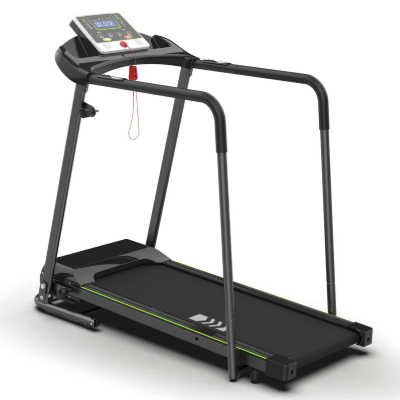
Longitud de la pista: Cinta de 105 cm (41,5″)
Límite de peso: 136 kg (300 lb)
Velocidad máxima: 8,8 km/h (5,5 mph)
Nivel de ruido: Motor silencioso diseñado para un uso doméstico suave y silencioso
Precio: 419,99 $ (312 £) en la página web oficial de Redliro
Ventajas
- Pasamanos extendidos para una excelente estabilidad y apoyo del equilibrio.
- La baja velocidad inicial lo hace adecuado para caminar de forma suave y controlada.
- La sencilla pantalla LED muestra claramente la velocidad, el tiempo, la distancia y las calorías.
- Cinturón amortiguador de seis capas
- Estructura plegable con ruedas de transporte para facilitar su almacenamiento.
- La llave de seguridad añade una capa adicional de tranquilidad durante el uso.
Contras
- Sin opción de inclinación
- Carece de funciones inteligentes o conectividad con aplicaciones.
Por qué nos encanta
La Redliro BalancePlus Rehabmill se ha ganado su lugar como la mejor cinta de correr para personas mayores porque prioriza la estabilidad, la facilidad de uso y la confianza por encima de la tecnología innecesaria. Los pasamanos largos y con múltiples agarres ofrecen un apoyo continuo a lo largo de la cubierta, lo que resulta especialmente tranquilizador para los usuarios de edad avanzada o cualquier persona con problemas de equilibrio. Su baja velocidad mínima y sus controles sencillos facilitan empezar poco a poco y ganar confianza a un ritmo cómodo.
Es una opción excelente para las personas mayores que desean una forma segura, sencilla y de bajo impacto de mantenerse activos en casa sin tener que lidiar con aplicaciones complejas o pantallas táctiles. Aquellos que busquen funciones de caminata en pendiente o seguimiento avanzado quizá prefieran un modelo más tecnológico, pero para caminar a diario sin complicaciones y con un apoyo adicional, esta es una de las opciones más fáciles de usar del mercado.
La mejor plataforma de marcha para personas con sobrepeso
Cinta de correr Trailviber Walking Pad
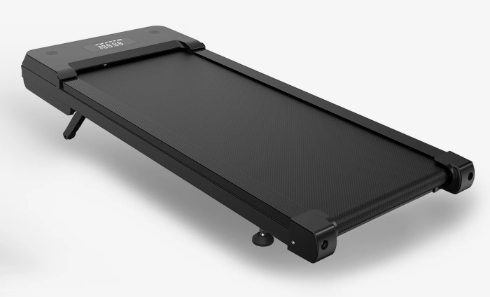
Longitud de la pista: 40,5” (103 cm)
Límite de peso: 450 lb (204 kg)
Velocidad máxima: 5 mph (8 km/h)
Nivel de ruido: Motor silencioso diseñado para un bajo nivel de ruido
Precio: 449 $ (334 £) en la página web oficial de Trailviber.
Ventajas
- Capacidad de peso muy alta, de 450 lb, que ofrece una gran sensación de estabilidad y soporte.
- Plataforma más ancha y resistente que la mayoría de las plataformas de caminata estándar.
- La inclinación automática de 9 niveles es ideal para aumentar la intensidad.
- El cinturón amortiguador ayuda a reducir el impacto.
- Construcción robusta diseñada para proporcionar una sensación de seguridad y estabilidad al pisar.
- Pantalla LED y altavoz Bluetooth
Contras
- Más pesadas y voluminosas que las almohadillas para caminar ultradelgadas.
- No se pliega para un almacenamiento compacto.
- Más completo que las cintas de correr básicas, que pueden no ser adecuadas para quienes desean una configuración minimalista.
Por qué nos encanta
La cinta de correr Trailviber Walking Pad de se ha ganado su lugar como la mejor cinta de correr para personas con sobrepeso, ya que combina una mayor capacidad de peso con una plataforma más sólida y estable que la mayoría de las cintas de correr del mercado. La mayor capacidad de carga, la plataforma más ancha y la sólida estructura contribuyen a crear una experiencia de caminata más segura y que inspira confianza, especialmente durante sesiones más largas o al utilizar la inclinación.
Es una opción excelente para quienes buscan una cinta de correr que priorice el apoyo, la durabilidad y la comodidad, al tiempo que ofrece funciones como la inclinación para añadir variedad sin aumentar la velocidad. Dicho esto, aquellos que valoran el almacenamiento ultracompacto o los diseños muy ligeros pueden preferir otras opciones.
¿Merecen la pena las plataformas para caminar?
Las plataformas de marcha pueden merecer la pena si tu objetivo es moverte de forma más constante sin necesidad de reestructurar tu día. Facilitan la incorporación de caminatas regulares a tu rutina en casa, ya sea durante las horas de trabajo, por la noche o en días de menor intensidad. Tanto si estás entrenando para una carrera, manteniendo tu fitness entre sesiones o simplemente buscando aumentar tu recuento diario de pasos, las cintas de correr ofrecen una forma flexible y de bajo impacto de mantenerte activo.
Son especialmente útiles si dispones de poco espacio o si buscas una opción más fácil de usar que una cinta de correr completa. La mayoría de las cintas de correr son más silenciosas, más compactas y están diseñadas para el uso diario, lo que las hace prácticas para oficinas domésticas y espacios compartidos. Con el tiempo, esta comodidad puede marcar una gran diferencia en la constancia, uno de los factores más importantes para la salud y el fitness a largo plazo.
Dicho esto, las cintas de correr no sustituyen a los paseos al aire libre, el running o los entrenamientos estructurados. En cambio, funcionan mejor como complemento, ayudándote a añadir más movimiento a las sesiones que ya estás realizando o apoyando la actividad en los días de descanso y recuperación.
¿Son seguras las cintas de correr?
Las cintas de correr son generalmente seguras para la mayoría de las personas, siempre que se utilicen según lo previsto y se configuren correctamente.
Dicho esto, el uso seguro se reduce a unas cuantas consideraciones prácticas. Es importante comenzar a baja velocidad y aumentarla gradualmente a medida que te sientas cómodo, especialmente si eres nuevo en el uso de una cinta de correr o planeas usarla debajo de un escritorio. Asegúrate de que la cinta de correr esté colocada sobre una superficie plana y estable, y evita llevar calzado holgado que pueda engancharse en la cinta. Si tu modelo incluye una llave de seguridad o barandillas, utilízalas, especialmente si te preocupa el equilibrio o la seguridad.
Para caminar debajo del escritorio, también es importante mantener una postura erguida y configurar correctamente tu espacio de trabajo. La pantalla debe estar a la altura de los ojos, las manos relajadas sobre el escritorio y el ritmo lo suficientemente lento como para poder escribir o concentrarte cómodamente. Si alguna vez te sientes inestable, fatigado o distraído, es mejor que te detengas y te bajes, en lugar de seguir adelante.
Al igual que cualquier otro equipo de fitness, las cintas de correr no son adecuadas para todas las personas en todas las situaciones. Si tienes alguna lesión, problemas de equilibrio o alguna afección médica, es recomendable que consultes con un profesional sanitario antes de empezar. Sin embargo, si se utilizan con prudencia, las plataformas para caminar pueden ser una forma segura y eficaz de añadir más movimiento a tu día.
¿Se puede correr en las cintas de correr?
En la mayoría de los casos, las cintas de correr están diseñadas para caminar, no para correr. Muchos modelos tienen velocidades máximas más bajas, cintas más cortas y estructuras más delgadas, lo que los hace adecuados para caminar a un ritmo constante, pero menos idóneos para el mayor impacto y la zancada más larga que requiere correr. Intentar correr en una cinta de correr que no está diseñada para ello puede resultar inestable y aumentar el riesgo de resbalar o perder el equilibrio.
Dicho esto, hay algunos modelos híbridos que difuminan la línea entre las plataformas para caminar y las cintas de correr compactas. Por lo general, ofrecen velocidades máximas más altas, motores más potentes y correas más largas, lo que las hace adecuadas para trotar ligeramente o correr de forma ocasional. Si deseas correr con regularidad, es importante que compruebes la velocidad máxima indicada por el fabricante y el uso previsto, en lugar de dar por sentado que todas las cintas de correr son aptas para ello.
Por lo general, es mejor reservar las sesiones de carrera para correr al aire libre o en cintas de correr de tamaño completo diseñadas para soportar velocidades más altas e impactos de forma segura.
¿A qué velocidad funcionan las cintas de correr?
Las cintas de correr cubren una amplia gama de velocidades, pero la mayoría están configuradas para soportar desde un caminar lento hasta un caminar rápido, en lugar de movimientos de alta intensidad. Los modelos básicos y los que se colocan debajo del escritorio suelen centrarse en velocidades más bajas que se sienten controladas y fáciles de mantener durante períodos más largos, especialmente cuando se realizan múltiples tareas. Los modelos más avanzados o híbridos ofrecen velocidades máximas más altas, lo que te permite caminar más rápido o pasar a un trote ligero si es necesario.
Lo más importante es ajustar el rango de velocidad al uso que le vas a dar a la cinta de correr. Las velocidades máximas más lentas suelen resultar más estables y cómodas para el uso diario, mientras que las opciones de mayor velocidad suelen tener inconvenientes, como un mayor tamaño o un diseño más parecido al de una cinta. Comprobar la velocidad mínima y máxima al mismo tiempo también puede resultar útil, ya que una velocidad inicial muy baja facilita entrar y salir de la marcha a lo largo del día.
En la práctica, la mayoría de las personas rara vez utilizan la velocidad máxima de una cinta de correr. Un modelo que se sienta suave, estable y controlable a tu ritmo preferido es mucho más importante que uno que simplemente vaya más rápido sobre el papel.
¿Cuánto duran las alfombrillas para caminar?
La vida útil de una cinta de correr puede variar bastante en función de la frecuencia con la que se utilice, la intensidad con la que se utilice y si se mantiene adecuadamente, pero con un uso doméstico normal, la mayoría de las cintas de correr durarán entre 3 y 7 años antes de empezar a mostrar signos de desgaste significativo. Después de eso, es posible que la almohadilla siga funcionando, pero es posible que notes cosas como un ruido más fuerte, un movimiento menos suave de la correa o una menor capacidad de respuesta.
Hay varios factores que influyen en la longevidad: la calidad de fabricación y los componentes, la frecuencia y la duración del uso, el peso y la intensidad del usuario, y el mantenimiento.
Ready to take the next step with your running?
Whether you're aiming for your first finish line or chasing a new PB, our expert-led training plans can help you train smarter and stay consistent. Explore our 5K, 10K, half marathon and marathon training plans to find the right fit for your goal.


.webp)
.webp)
.webp)
.webp)