

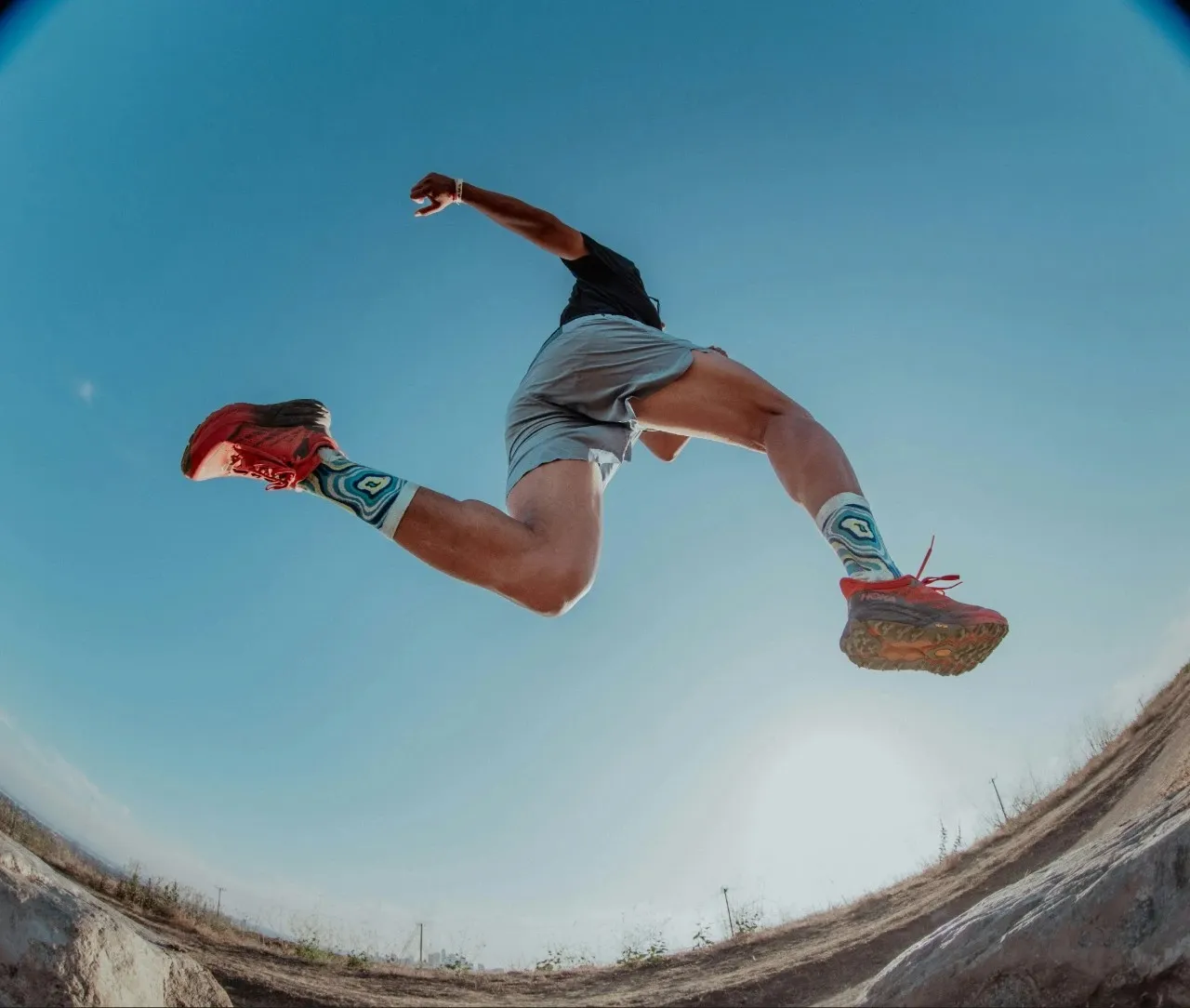
Hardloopsokken zorgen zelden voor veel opwinding, maar ze spelen een cruciale rol in hoe comfortabel, efficiënt en consistent je training aanvoelt. Als sokken goed zitten en vocht goed afvoeren, merk je ze nauwelijks meer. Als dat niet zo is, kunnen ze het meest afleidende kledingstuk worden dat je draagt.
Bij de beste hardloopsokken draait het niet om grootse beloften of opvallende ontwerpen. Ze zijn bedoeld om specifieke problemen op te lossen: je voeten droog houden in de zomer, blaren voorkomen tijdens lange runs, warm blijven zonder het te warm te krijgen in de winter, of een gevoel geven alsof je bijna niets aan hebt op de dag van de wedstrijd. In deze gids worden de beste hardloopsokken voor verschillende soorten hardloopsessies besproken, waarbij wordt uitgelegd waarom ze zo goed werken en voor wie ze het meest geschikt zijn.
Waarom hardloopsokken belangrijker zijn dan de meeste hardlopers denken
Hardlopen is van nature repetitief. Elke voet raakt tijdens één sessie honderden of duizenden keren de grond, en bij elke stap ontstaat er wrijving tussen je huid, je sok en je schoen. Na verloop van tijd kan die wrijving leiden tot pijnlijke plekken, blaren, gevoelloze tenen of algemeen ongemak, waardoor je bewegingen ongemerkt veranderen.
Sokken staan centraal in dit systeem. Ze bepalen hoe vocht wordt afgevoerd, hoeveel je voet in de schoen schuift, hoe de druk over de zool wordt verdeeld en hoe beschermd je huid aanvoelt als je vermoeid raakt. Als sokken goed zitten, merk je ze niet eens. Als ze dat niet doen, kunnen ze een verder prima reeks verpesten.
Dit wordt nog belangrijker naarmate het aantal kilometers toeneemt. Wat tijdens een rustige 5 km prima aanvoelt, kan na twee uur tijdens een lange loop een probleem worden. De sokken waarin je wedstrijden loopt, zijn misschien niet de sokken die je wilt voor rustige loopjes, en de sokken die in de winter heerlijk zitten, kunnen in de zomer ondraaglijk aanvoelen.
Wat maakt een hardloopsok nu eigenlijk goed?
Er bestaat niet zoiets als dé ‘beste’ sok voor iedereen, maar er zijn wel een aantal kenmerken die echte hardloopsokken onderscheiden van gewone sokken.
Stof vormt de basis
De eerste regel is simpel: vermijd katoen. Katoen neemt vocht op en houdt het vast, waardoor de huid zachter wordt en de wrijving toeneemt. Zodra je voeten nat zijn, gaan katoenen sokken vaak opbollen en schuren, waardoor de ideale omstandigheden voor blaren ontstaan.
Hardloopsokken zijn daarentegen gemaakt van technische synthetische vezels, natuurlijke vezels zoals merinowol, of een mix van beide. Synthetische stoffen zoals nylon en polyester zijn uitstekend in het afvoeren van vocht van de huid en drogen snel. Ze voelen vaak glad aan tegen de voet, wat helpt om wrijving tijdens herhaalde bewegingen te verminderen.
Mengsels met merinowol gedragen zich anders. Ze voelen niet glad aan, maar reguleren de temperatuur goed en blijven comfortabel onder allerlei omstandigheden. Bij koeler weer helpt merinowol je warm te blijven zonder dat je het te warm krijgt, en het is beter bestand tegen geurtjes dan de meeste synthetische stoffen. Daardoor is hij populair bij hardlopers die in de winter trainen en bij lange, rustige trainingen waarbij comfort belangrijker is dan het gevoel dat je tijdens een wedstrijd hebt.
De meeste hardlopers geven bij warm weer de voorkeur aan synthetische stoffen en in de koudere maanden aan merinomengsels, maar er is geen vaste regel. De pasvorm en de constructie zijn net zo belangrijk als de keuze van de vezels.
De pasvorm en het model beperken de bewegingsvrijheid
Een goede hardloopsok is speciaal gevormd voor je voet, en niet zomaar een buis die je eroverheen trekt. Let op een goed gevormde hielkom, lichte compressie in het midden van de voet en een vorm die de natuurlijke ronding van de voetboog volgt. Deze eigenschappen zorgen ervoor dat de sok goed blijft zitten terwijl je voet bij elke stap druk uitoefent en weer ontlast.
Beweging in de sok is een van de belangrijkste oorzaken van irritatie. Zelfs een zachte stof kan problemen veroorzaken als die over je huid heen en weer schuift. Een goede pasvorm rond de middenvoet, zonder dat het te strak zit, vermindert deze ongewenste beweging en zorgt ervoor dat de sok tot ver in de training stabiel blijft zitten.
De naden moeten onzichtbaar zijn
Naden bij de tenen zijn een verrassend veelvoorkomende oorzaak van ongemak. Bij kortere afstanden vallen ze misschien niet op, maar na verloop van tijd kunnen ze tegen de bovenkant of zijkanten van je tenen schuren. De meeste moderne hardloopsokken hebben platte naden of een naadloze teenconstructie om dit risico te minimaliseren. Als je ooit een hardloopsessie hebt afgerond met een pijnlijke grote teen en je kon maar niet achterhalen waarom, dan is de naad vaak de boosdoener.
De demping moet bij de loopstijl passen
Meer demping betekent niet automatisch meer comfort. Dikke sokken voelen in het begin misschien heel lekker aan, maar ze nemen ook veel ruimte in de schoen in. Als je schoenen al strak zitten, kan extra vulling je tenen naar voren duwen en de druk op je teennagels vergroten.
Lichte demping is prima voor de meeste dagelijkse trainingen; het biedt wat bescherming zonder dat de pasvorm van de schoen verandert. Een dikkere demping kan handig zijn bij lange afstanden, hardloopschoenen met een groter volume of trailrunning, waarbij de schokken en het oneffen terrein groter zijn. Minimale sokken blinken daarentegen uit bij wedstrijden en warm weer, wanneer het vooral belangrijk is dat je voeten koel en stevig zitten.
Hoogte is functioneel, niet alleen esthetisch
De hoogte van je sokken is van grotere invloed op het draagcomfort dan veel hardlopers denken. Heel lage sokken kunnen afzakken of ervoor zorgen dat de kraag van de schoen tegen je achillespees schuurt. Korte sokken bieden vaak een goede middenweg: ze geven wat bescherming zonder extra warmte. Korte sokken bieden meer bescherming tegen koud weer, vuil op het parcours of de zon. Geen van beide is per se beter; het hangt af van je schoenen, je routes en je voorkeuren.
De juiste sokken voor verschillende soorten hardlopen
In plaats van op zoek te gaan naar dé perfecte sok, is het handiger om na te denken over welke sokken het beste werken voor bepaalde hardloopsessies.
Dagelijkse hardloopsessies
Voor de meeste makkelijke en rustige hardloopsessies is een hardloopschoen met lichte tot gemiddelde demping en een stevige pasvorm rond de middenvoet ideaal. Bij deze sokken gaat comfort boven een laag gewicht, en ze voelen lekker soepel aan als je benen moe zijn. Het zijn de sokken die je het vaakst pakt, de sokken die je op allerlei afstanden kunt dragen zonder dat ze opvallen.
Lange afstanden en training voor de marathon
Bij lange afstanden worden kleine problemen uitvergroot. Een sok die bij 10 km een beetje gaat plooien of een beetje warm aanvoelt, kan na 90 minuten echt oncomfortabel worden. Bij lange afstanden is stabiliteit essentieel. Een sok die de voet goed op zijn plaats houdt, vocht goed afvoert en wat extra bescherming aan de zool biedt, heeft meestal de beste prestaties.
Sommige hardlopers geven hier de voorkeur aan iets meer demping, vooral als ze met vermoeide benen lopen of hardloopschoenen met een hogere zool dragen. Anderen kiezen voor dunnere sokken om te voorkomen dat ze het te warm krijgen. Het belangrijkste is dat de sok goed blijft zitten, ook als je houding verandert door vermoeidheid.
Snelheidstrainingen en wedstrijden
Als het tempo omhoog gaat, zitten schoenen vaak strakker en wordt de voetafzet krachtiger. Dunne, lichte sokken zijn ideaal onder deze omstandigheden, omdat ze zorgen voor een goede aansluiting tussen voet en schoen. Minder stof betekent minder warmte en minder kans op plooivorming bij hogere cadansen.
Wedstrijdsokken moet je tijdens de training uitproberen. Zelfs kleine verschillen in dikte of de plaatsing van de naden kunnen op de wedstrijddag extra opvallen.
Hardlopen bij warm weer
Bij warm of vochtig weer kunnen sokken die warmte vasthouden al snel oncomfortabel aanvoelen. Dunne synthetische sokken zijn hiervoor ideaal, omdat ze zweet van de huid afvoeren en snel drogen. Een goede pasvorm zorgt er ook voor dat de sok niet zwaar of glad wordt als hij nat is.
Hardlopers met bijzonder zweterige voeten merken vaak dat het verminderen van de dikte meer verschil maakt dan het wisselen van merk.
Hardlopen in de kou en in de winter
Koud weer brengt een andere challenge met zich mee: warm blijven zonder te veel vocht vast te houden. Sokken van merinowol zijn hier populair omdat ze warm blijven, zelfs als ze vochtig zijn, en comfortabel zitten bij wisselende temperaturen. Als het om hardlopen in de winter gaat, ruilen veel hardlopers graag een beetje gewicht in voor warmte en comfort, vooral tijdens langere, rustigere tochten.
De beste hardloopsok voor dagelijks gebruik: Balega Silver No Show

Als je op zoek bent naar één sok die geschikt is voor het grootste deel van je training, dan is de Balega Silver No Show een prima keuze om mee te beginnen. Het is ontworpen om een balans te vinden tussen comfort, stabiliteit en ademend vermogen, waardoor het geschikt is voor alles, van makkelijke looppartijen tot langere, gestage inspanningen.
De pasvorm zit strak zonder dat hij knelt, dankzij een goed gevormde hielkom en lichte compressie rond de middenvoet. De demping onder je voeten is licht maar voelbaar, en biedt wat bescherming zonder al te veel ruimte in de schoen in te nemen. De stof voelt zacht aan op de huid, wat wrijving bij herhaalde bewegingen helpt verminderen, en het hielstuk biedt precies genoeg bescherming om schuren tegen de kraag van de schoen te voorkomen.
Dit is zo’n sok waarvan je vergeet dat je hem aan hebt, en dat is precies de bedoeling.
Voordelen
- Comfortabel over een groot bereik aan afstanden
- Stevige pasvorm die ook tijdens langere hardloopsessies goed blijft zitten
- Lichte demping zonder dat het te dik aanvoelt
Nadelen
- Kan in het hoogseizoen warm aanvoelen
- Niet minimalistisch genoeg voor hardlopers die de voorkeur geven aan ultradunne sokken
Het meest geschikt voor: dagelijkse training, makkelijke loopjes, algemene kilometers.
De beste sok voor lange afstanden en marathontraining: Balega Verborgen Comfort
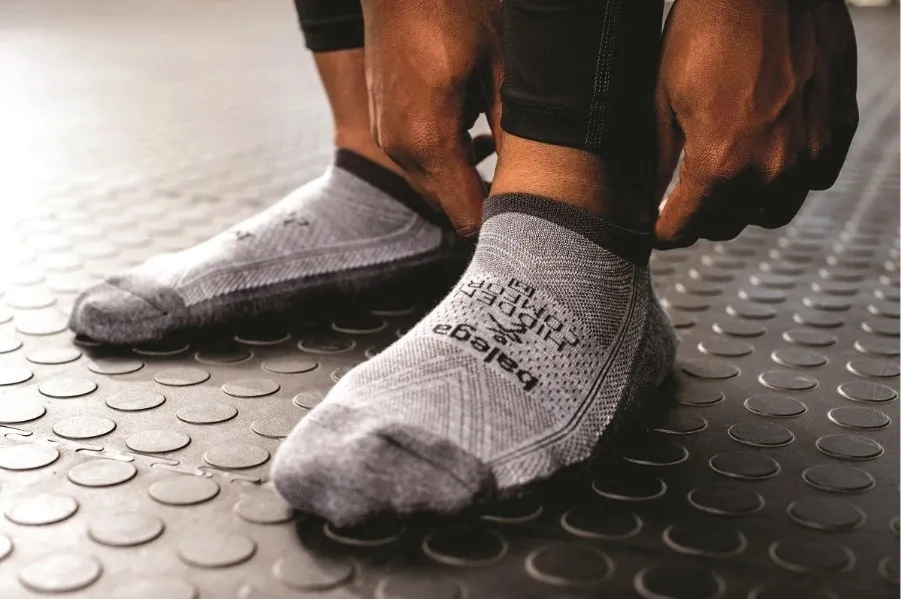
Als een training langer dan 90 minuten duurt, vallen kleine ongemakken veel meer op. De Balega Verborgen Comfort is speciaal ontworpen voor dit soort hardlopen. Hij voelt heerlijk zacht aan onder je voeten zonder slap of onstabiel te worden, waardoor hij een favoriet is voor lange runs en weken waarin je veel kilometers maakt.
De demping is dikker dan bij de meeste gewone sokken, vooral onder de hiel en de voorvoet, wat helpt om druk en irritatie te verminderen als je vermoeid raakt. Ondanks de extra vulling zit de sok nog steeds stevig, met een goede ondersteuning bij de middenvoet die beweging in de schoen beperkt. De stof blijft zacht, zelfs na veelvuldig wassen, en dat is belangrijk als je week na week op dezelfde broeken vertrouwt.
Dit is geen racesok. Dit is een keuze waarbij comfort voorop staat, voor hardlopers die er veel waarde aan hechten dat ze zich ook tijdens lange runs goed blijven voelen.
Voordelen
- Uitstekend comfort tijdens lange ritten
- De zachte vulling vermindert drukpunten
- Goede pasvorm, ook al is de stof wat dikker
Nadelen
- Wordt warm bij warm weer
- Het dikkere materiaal kan de pasvorm beïnvloeden bij nauwsluitende modellen
Het meest geschikt voor: lange afstanden, marathontraining, vermoeide benen.
De beste sok voor wedstrijden en snelheidstrainingen: Feetures Elite Ultralight No Show Tab
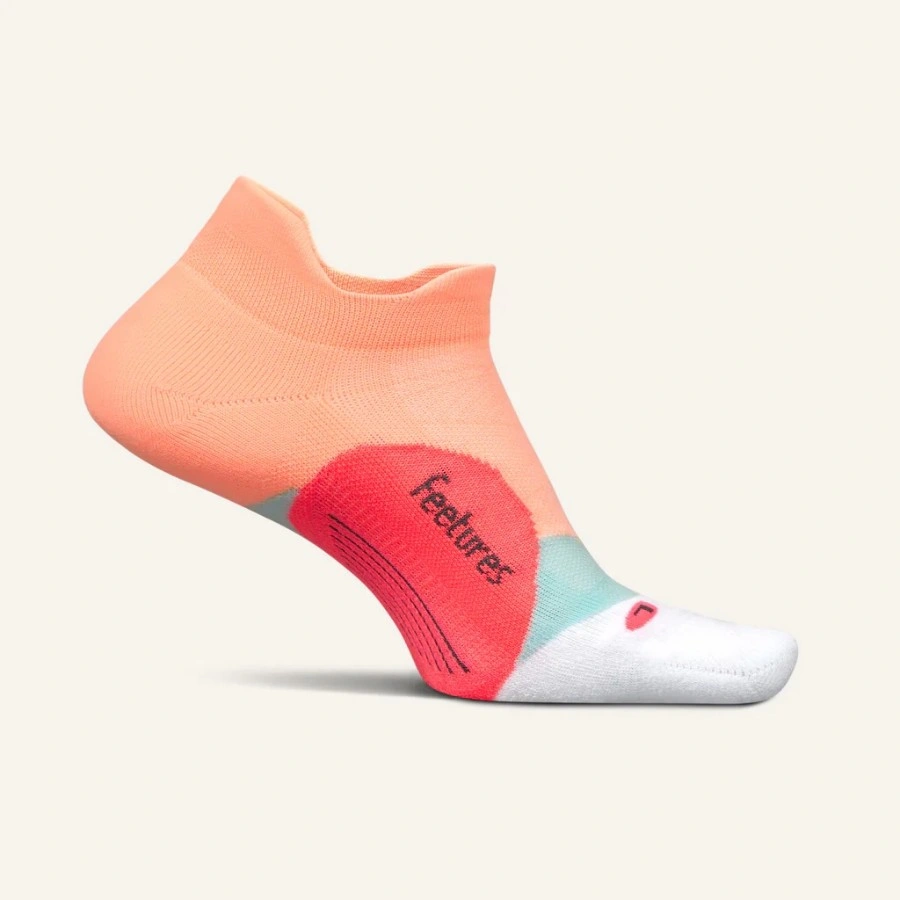
Als tempo belangrijk is, kan overtollige stof je afleiden. De Feetures Elite Ultralight No Show Tab is gemaakt voor hardlopers die een strak, nauwkeurig gevoel tussen voet en schoen willen, of dat nu tijdens intervaltrainingen, tempoloopjes of op de wedstrijddag is.
De sok is dun maar stevig, met gerichte compressiezones die de voet op zijn plaats houden zonder hem onnodig op te vullen. Er zit precies genoeg demping onder je voeten om de schokken wat te verzachten, maar niet genoeg om het contact met de grond te verminderen. De naadloze teenconstructie helpt irritatie bij een hogere cadans te voorkomen, en het hielstuk biedt bescherming zonder extra volume.
Deze sok voelt snel aan, niet omdat hij je sneller maakt, maar omdat hij wrijving, warmte en afleiding wegneemt.
Voordelen
- Lichtgewicht en zeer ademend
- Stevige, op prestaties gerichte pasvorm
- Ideaal voor strakke schoenen en hardlopen
Nadelen
- Minder vergevingsgezind tijdens hele lange runs
- Minder duurzaam als je het voor alle trainingen gebruikt
Het meest geschikt voor: wedstrijden, trainingen op snelheid, tempoloopjes.
De beste sok voor warm weer: Swiftwick Aspire Zero
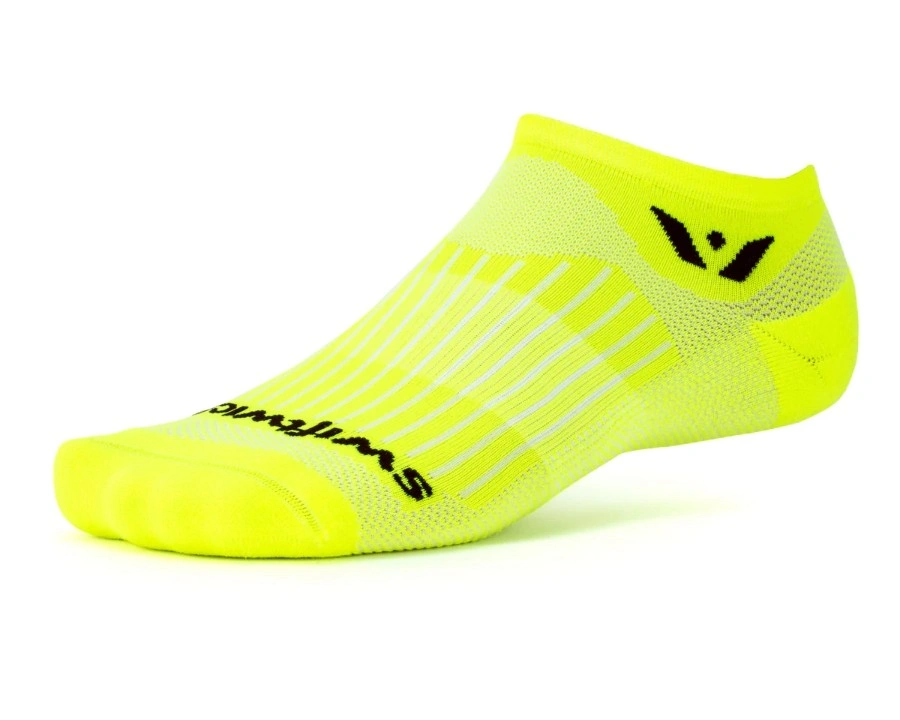
Hardlopen bij warm en vochtig weer vraagt om een sok waarbij ademend vermogen boven alles gaat. De Swiftwick Aspire Zero is ontworpen met minimale demping en een hoog aandeel synthetisch materiaal, waardoor hij zweet uitzonderlijk goed afvoert.
De sok zit strak om de voet en enkel, waardoor hij niet gaat plooien, zelfs niet als je voeten nat zijn. De dunne stof droogt snel en voelt niet zwaar aan als je gaat zweten, waardoor het een uitstekende keuze is voor hardlopen in de zomer of trainingen op de loopband. In tegenstelling tot sommige minimalistische sokken heeft deze toch een stevige pasvorm en voelt hij niet dun aan.
Dit is een sok voor hardlopers die liever wat comfort inleveren dan last te hebben van oververhitte voeten.
Voordelen
- Uitstekende vochtregulering
- Heel licht en ademend
- Stabiele pasvorm ondanks minimale demping
Nadelen
- Minimale bescherming op ruwe oppervlakken
- Niet ideaal voor lange of koude hardloopsessies
Het meest geschikt voor: hardlopen in de zomer, vochtige omstandigheden, hardlopers die veel transpireren.
De beste sok voor hardlopen in de winter: Darn Tough Run Quarter Cushion
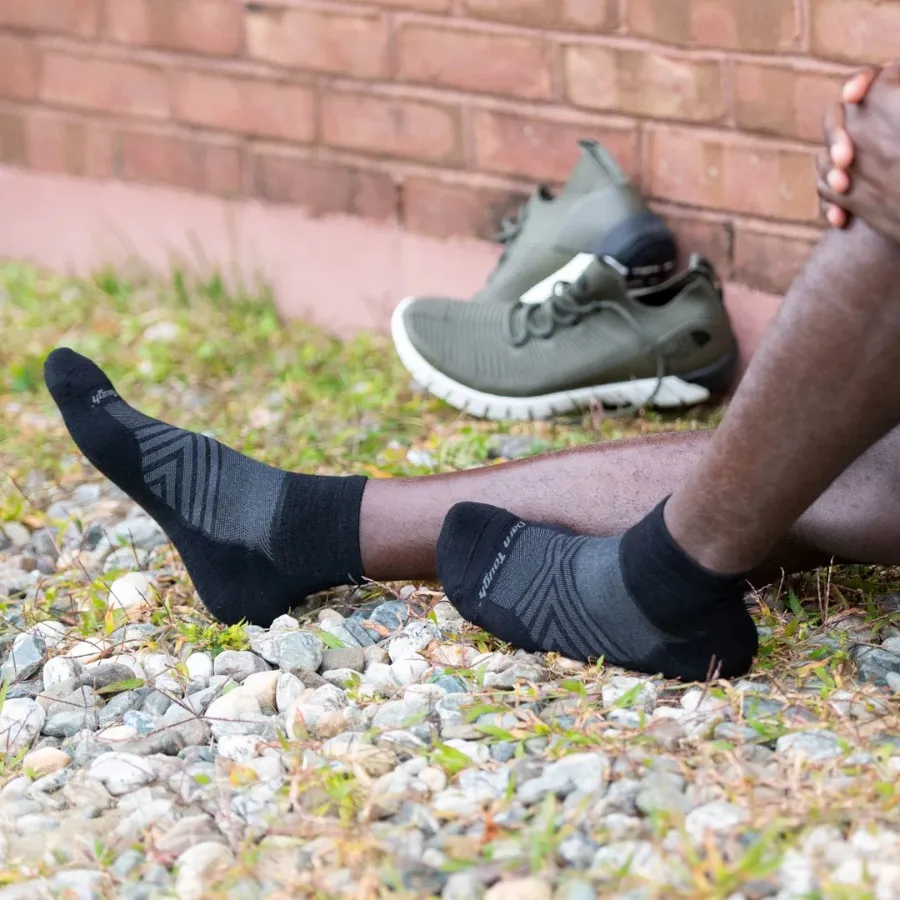
Hardlopen bij koud weer vraagt om warmte zonder dat het te dik wordt, en de Darn Tough Run Quarter Cushion biedt precies die juiste balans. Deze sok is gemaakt van een merinowolmix en houdt je voeten warm bij lage temperaturen, terwijl hij ook comfortabel blijft als het weer verandert.
De demping is licht tot gemiddeld, waardoor je bescherming hebt zonder dat het zwaar aanvoelt, en de halfhoge schacht zorgt voor extra bedekking rond de enkel, wat handig is op koude ochtenden of op vochtige winterwegen. De stof voelt zacht aan op de huid en is beter bestand tegen geurtjes dan de meeste synthetische stoffen, wat handig is tijdens lange winterperiodes.
Het is een betrouwbare, no-nonsense wintersok waarbij comfort en duurzaamheid voorop staan.
Voordelen
- Warm zonder dat je het te warm krijgt
- Comfortabel in natte of koude omstandigheden
- Stevige constructie
Nadelen
- Warmer dan nodig is voor zacht weer
- Voelen iets zwaarder aan dan zomersokken
Het meest geschikt voor: hardlopen op de weg in de winter, koude ochtenden, regelmatige trainingen.
De beste sok voor hardlopers die snel blaren krijgen: Balega Blister Resist Quarter
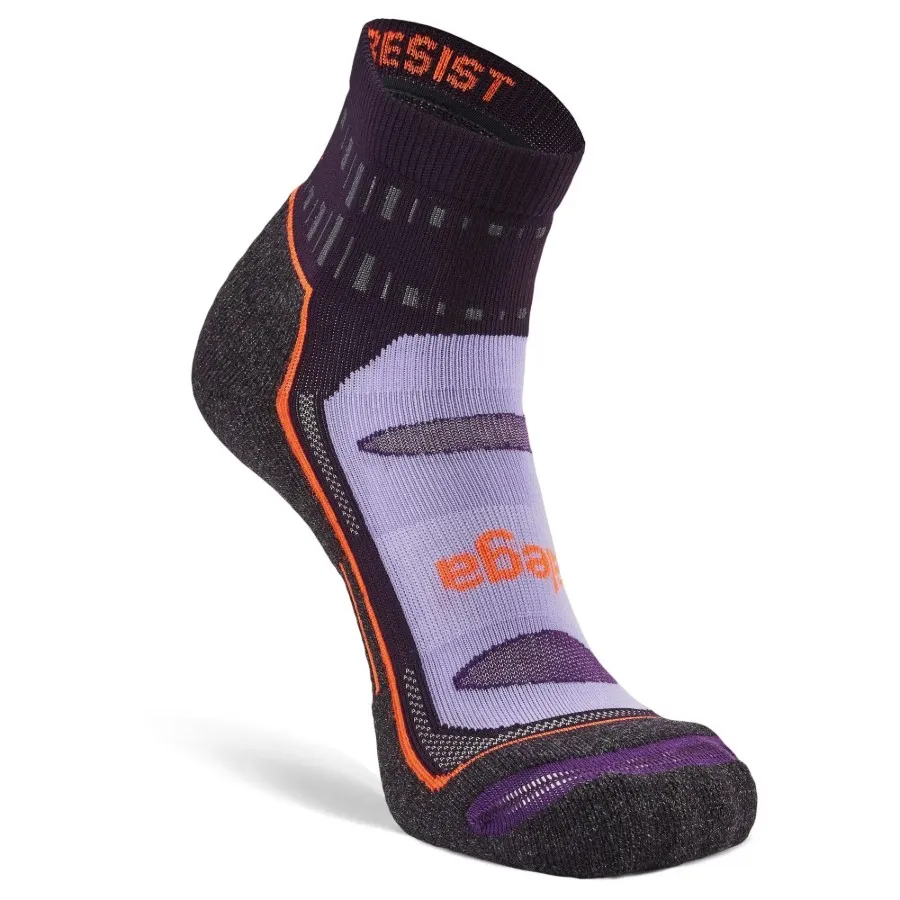
Voor hardlopers die regelmatig last hebben van blaren is de Balega Blister Resist ontworpen om wrijving te minimaliseren op de plekken waar dat het belangrijkst is. De stofmix voelt zacht aan op de huid, en het ontwerp is erop gericht om beweging in de schoen te beperken.
Het ontwerp tot halverwege de enkel zorgt voor wat extra bescherming rond de enkel, terwijl de pasvorm rond de middenvoet ervoor zorgt dat de sok goed blijft zitten, ook als je moe wordt. De demping is gemiddeld: het biedt enige bescherming tegen schokken zonder al te dik te zijn. Het resultaat is een sok die bescherming biedt zonder dat dit ten koste gaat van de controle.
Hoewel geen enkele sok kan garanderen dat je zonder blaren kunt hardlopen, is deze sok wel met dat doel voor ogen ontworpen.
Voordelen
- De gladde stof zorgt voor minder wrijving
- De stevige pasvorm beperkt de bewegingsvrijheid
- Comfortabel voor langere afstanden
Nadelen
- Iets dikker dan wedstrijdsokken
- Kan in de zomer warm aanvoelen
Het meest geschikt voor: hardlopers die snel blaren krijgen, lange trainingsrondjes.
Beste teensok: Injinji Run Lightweight No-Show
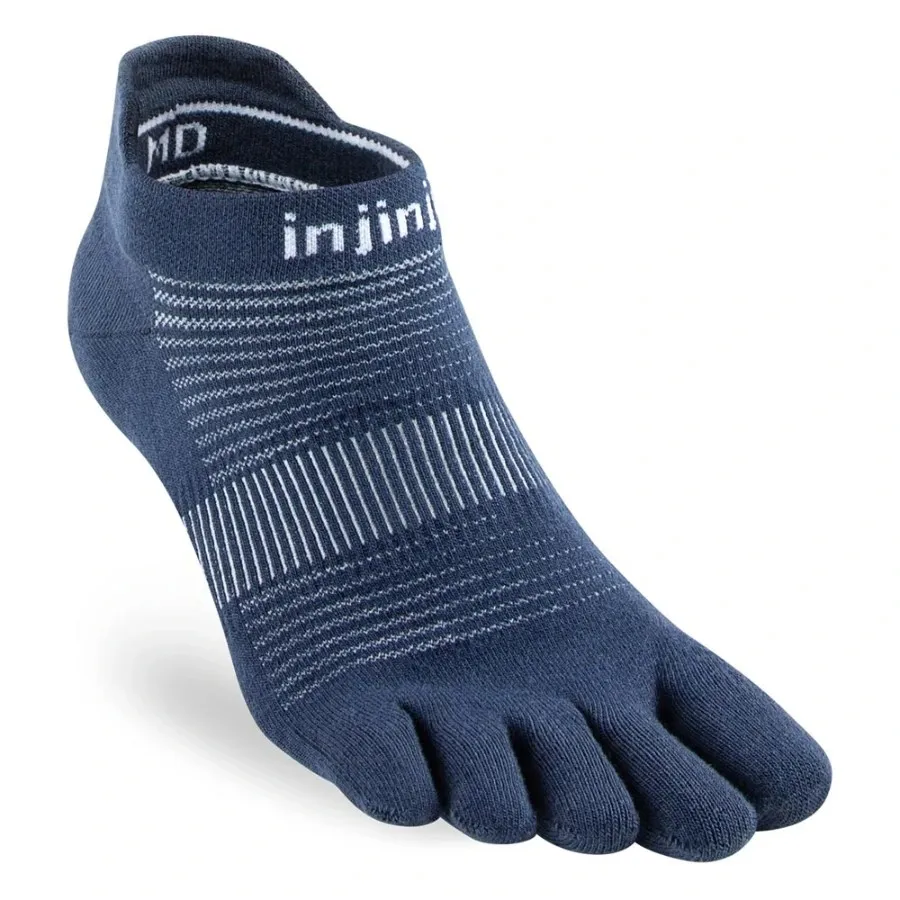
Blaren op je tenen zijn berucht om hun hardnekkigheid, vooral tijdens lange hardloopsessies of als je voeten opzwellen. De Injinji Run Lightweight No-Show lost dit probleem op door elke teen apart te houden, waardoor wrijving tussen de huid wordt voorkomen.
De sok zelf is dun en ademend, met minimale demping zodat hij licht en koel blijft. Als je ze eenmaal aan hebt, voelt het verrassend natuurlijk aan, al kan het even duren voordat je eraan gewend bent als je nog niet eerder teensokken hebt gedragen. Voor hardlopers die steeds blaren tussen hun tenen krijgen, kan dit ontwerp een merkbaar verschil maken.
Het is niet voor iedereen weggelegd, maar voor de juiste hardloper kan het een echte oplossing zijn in plaats van een noodoplossing.
Voordelen
- Voorkomt blaren tussen de tenen
- Zorgt ervoor dat je tenen zich op natuurlijke wijze kunnen spreiden
- Lichtgewicht en ademend
Nadelen
- Het duurt langer om aan te trekken
- De pasvorm hangt af van de maat
Het meest geschikt voor: blaren op de tenen, lange afstanden, trailrunning en ultralopen.
Beste trailrunsok: Injinji Trail Midweight Crew
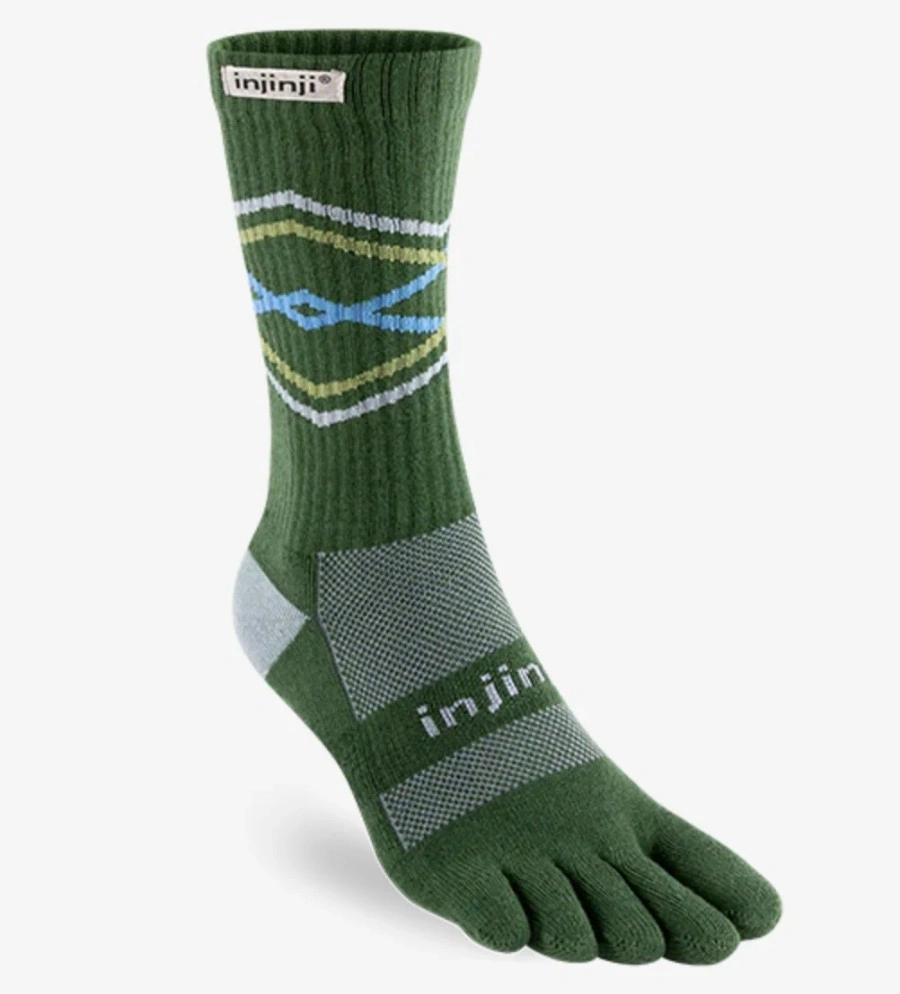
Bij trailrunning krijg je te maken met oneffen oppervlakken, zijwaartse bewegingen en puin. De Injinji Trail Midweight Crew combineert gescheiden tenen met extra demping en een hogere boord voor bescherming.
De demping van gemiddeld gewicht helpt schokken op rotsachtig terrein op te vangen, terwijl de hoge schacht bescherming biedt tegen struikgewas en gruis. Door de tenen uit elkaar te houden, blijven je voeten ook comfortabel op bochtige paden en tijdens lange afdalingen, waar je tenen vaak tegen elkaar schuren.
Deze sok is gemaakt met het oog op duurzaamheid en comfort in plaats van snelheid, waardoor hij perfect is voor lange dagen op de trail.
Voordelen
- Uitstekende bescherming tegen blaren op de trails
- Extra bescherming en demping
- De hoogte van de rand helpt vuil buiten te houden
Nadelen
- Te warm om in de zomer op de weg te hardlopen
- Voelen zwaarder aan dan sokken die speciaal voor op de weg zijn gemaakt
Het meest geschikt voor: trailrunning, ultralopen, technisch terrein.
Het komt erop neer dat
De beste hardloopsokken zijn zelden voor iedereen geschikt, ze zijn juist heel specifiek. Een sok die tijdens een lange winterloop perfect zit, kan in de zomer ondraaglijk aanvoelen, en een sok voor wedstrijddagen biedt misschien niet genoeg bescherming voor je dagelijkse training.
Door sokken te kiezen die bij jouw hardloopstijl passen, kun je ongemak verminderen, het risico op blaren verkleinen en ervoor zorgen dat je training soepeler en consistenter verloopt. Sokken zijn misschien niet de spannendste aankoop, maar ze zijn wel een van de makkelijkste manieren om je hardloopervaring te verbeteren, kilometer na kilometer.
Ready to take the next step with your running?
Whether you're aiming for your first finish line or chasing a new PB, our expert-led training plans can help you train smarter and stay consistent. Explore our 5K, 10K, half marathon and marathon training plans to find the right fit for your goal.


.webp)
.webp)
.webp)
.webp)