.webp)
Most runs leave you feeling energized and accomplished. But sometimes the opposite happens: you finish your workout and feel uncomfortable, swollen, or bloated. If that’s happened to you, you’re not alone. Bloating after running is fairly common and usually has a few simple explanations.
Understanding why it happens can help you prevent it in the future and feel better after your runs.
Why you might feel bloated after running
One of the most common causes of post-run bloating is swallowing air while breathing heavily during exercise.
When you run, your breathing rate increases. Some of the air you inhale can end up traveling down the esophagus into the stomach rather than into the lungs. This air then moves through the digestive system and can build up in the intestines.
Because the colon can expand like a balloon, excess air can cause the uncomfortable sensation of bloating.
Exercise stress can affect digestion
Running also puts your body under physical stress, which activates the fight-or-flight response.
During exercise, your body redirects blood flow away from the digestive system and toward the muscles that are working hardest. This means digestion slows down temporarily.
When digestion slows, air and gas can move through the digestive tract more slowly as well, which can contribute to bloating or discomfort.
Hormones can play a role
Exercise increases the release of cortisol, a hormone produced during stress.
Cortisol helps mobilize energy for your workout, but it can also cause the body to retain more fluid in some situations. When this happens, you may feel temporarily swollen or bloated after a hard run.
This effect is usually short-term and resolves once your body returns to a normal resting state.
What you eat before a run matters
Food choices before running can have a big impact on how your stomach feels during and after exercise.
If you eat a large meal too close to a run, your body may struggle to digest it properly while you’re moving. Since blood flow is reduced to the digestive system during exercise, food may sit in the stomach longer than usual.
Certain foods are also more likely to cause bloating before a run, including:
- High-fat meals
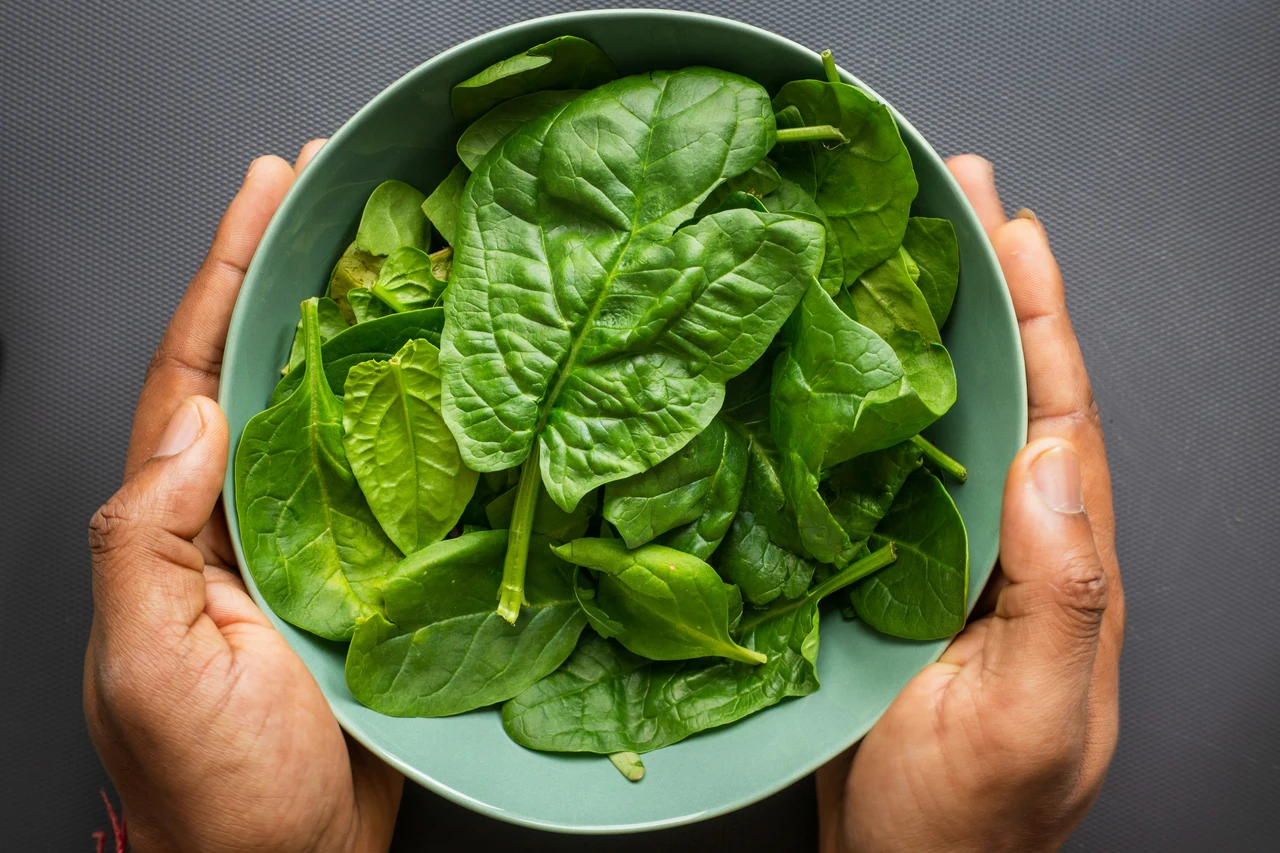
- Very high-fiber foods
- Sugary drinks
- Carbonated beverages
Simple carbohydrates like fruit, toast, or oatmeal are generally easier to digest before running.
New runners may experience bloating more often
If you’ve recently started running, bloating may happen more frequently.
That’s partly because your digestive system isn’t yet used to the repetitive movement of running. Over time, your body adapts and becomes better at handling food and fluids during exercise.
Experienced runners often develop fueling routines that minimize stomach issues.
How to prevent bloating when running
If bloating happens regularly, a few small adjustments can often make a big difference.
1. Practice steady breathing
Instead of gasping for air, focus on slower, controlled breathing. Belly breathing can help reduce how much air you swallow.
2. Time your meals carefully
Try to eat 1–2 hours before a run, especially for longer workouts. This gives your body time to digest food before exercise.
3. Choose easily digestible foods
Stick with simple carbohydrates before running, such as:
- Bananas
- Toast with honey or peanut butter
- Oatmeal
- Rice or potatoes
4. Stay hydrated
Dehydration can worsen digestive issues. Drinking fluids consistently throughout the day helps your body regulate digestion and reduces discomfort.
5. Test your nutrition during training
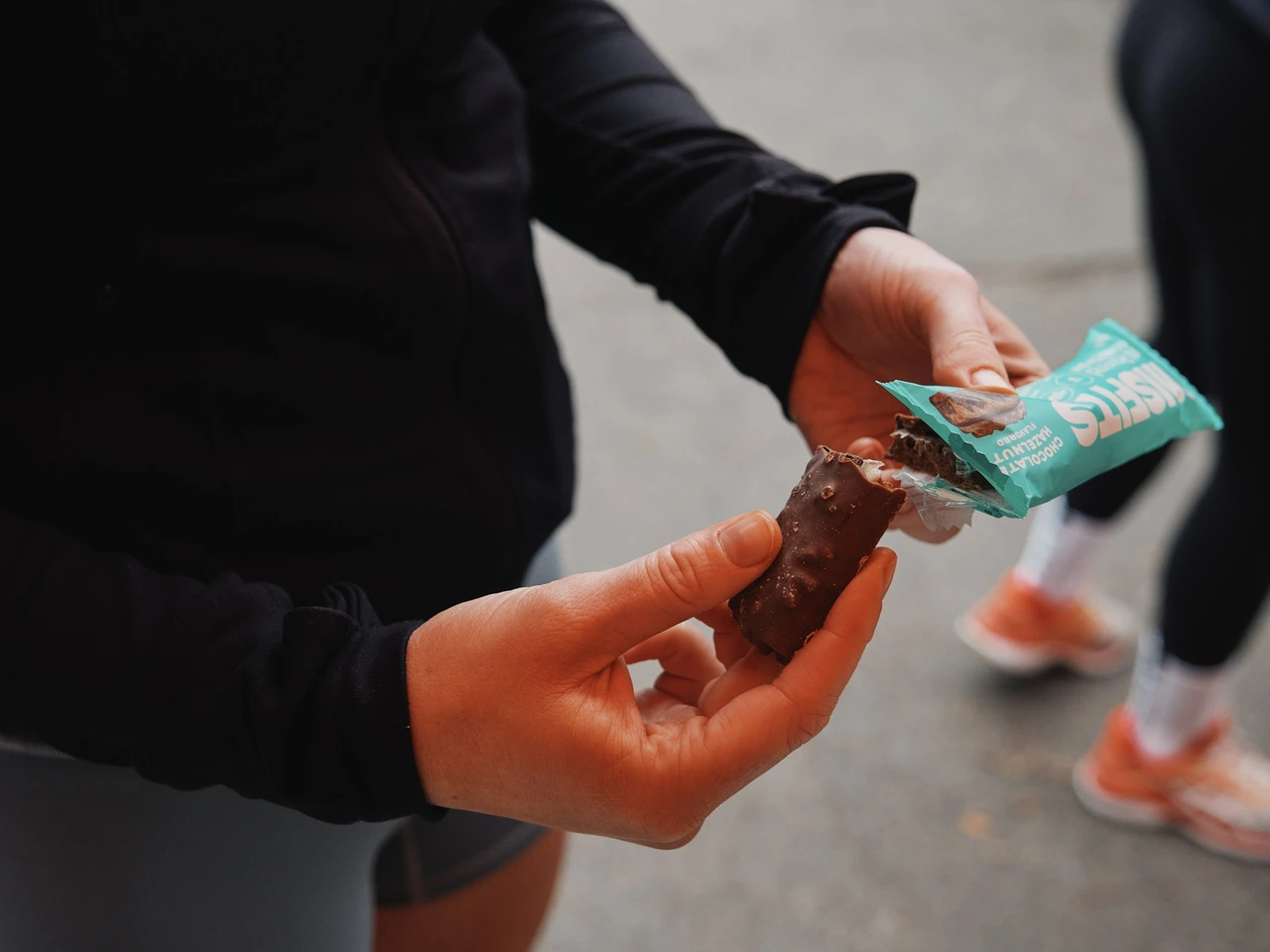
Every runner’s stomach reacts differently to certain foods and sports products. Use training runs to experiment with nutrition so you know what works best for you.
When bloating after running is normal
In most cases, bloating after a run is harmless and temporary. It usually improves once your breathing slows, digestion resumes, and the body relaxes.
However, if bloating is frequent, painful, or accompanied by severe stomach issues, it may be worth reviewing your nutrition strategy or speaking with a healthcare professional.
Ready to take the next step with your running? Whether you're aiming for your first finish line or chasing a new PB, our expert-led training plans can help you train smarter and stay consistent. Explore our 5K, 10K, half marathon and marathon training plans to find the right fit for your goal.