Potassium doesn’t get as much attention as carbs or protein, but for runners, it’s essential. It’s a key electrolyte that helps regulate fluid balance, muscle contractions, and nerve signals, all things you rely on every time you run.
If your potassium intake is low, you’re more likely to experience muscle cramps, fatigue, and slower recovery. And while bananas get all the credit, they’re actually just a moderate source. There are plenty of foods that contain significantly more.
Here’s how to think about potassium, and the best foods to prioritise.
Why potassium matters for runners
Every run involves fluid loss through sweat. Alongside sodium, potassium is one of the main electrolytes lost, and it plays a critical role in:
- Muscle contraction and preventing cramps
- Hydration and fluid balance
- Nerve signalling and coordination
- Maintaining blood pressure and heart function
Most adults need roughly 3,500–4,700mg per day, but many people fall short, especially if their diet lacks whole foods.
The best high-potassium foods
Instead of relying on one “superfood,” the goal is variety. These foods give you more potassium than a banana, and often bring extra nutritional benefits too.
Avocado
Avocados are one of the most potassium-dense foods you can eat. A single fruit can contain close to 1,000mg of potassium, far exceeding a banana.
They also provide healthy fats, which support recovery and overall energy intake, especially useful if you’re training a lot.
Sweet potatoes
A medium sweet potato delivers around 500+mg of potassium, along with fibre and vitamin A.
They’re a great option for runners because they combine potassium with carbohydrates, perfect for refuelling after a session.
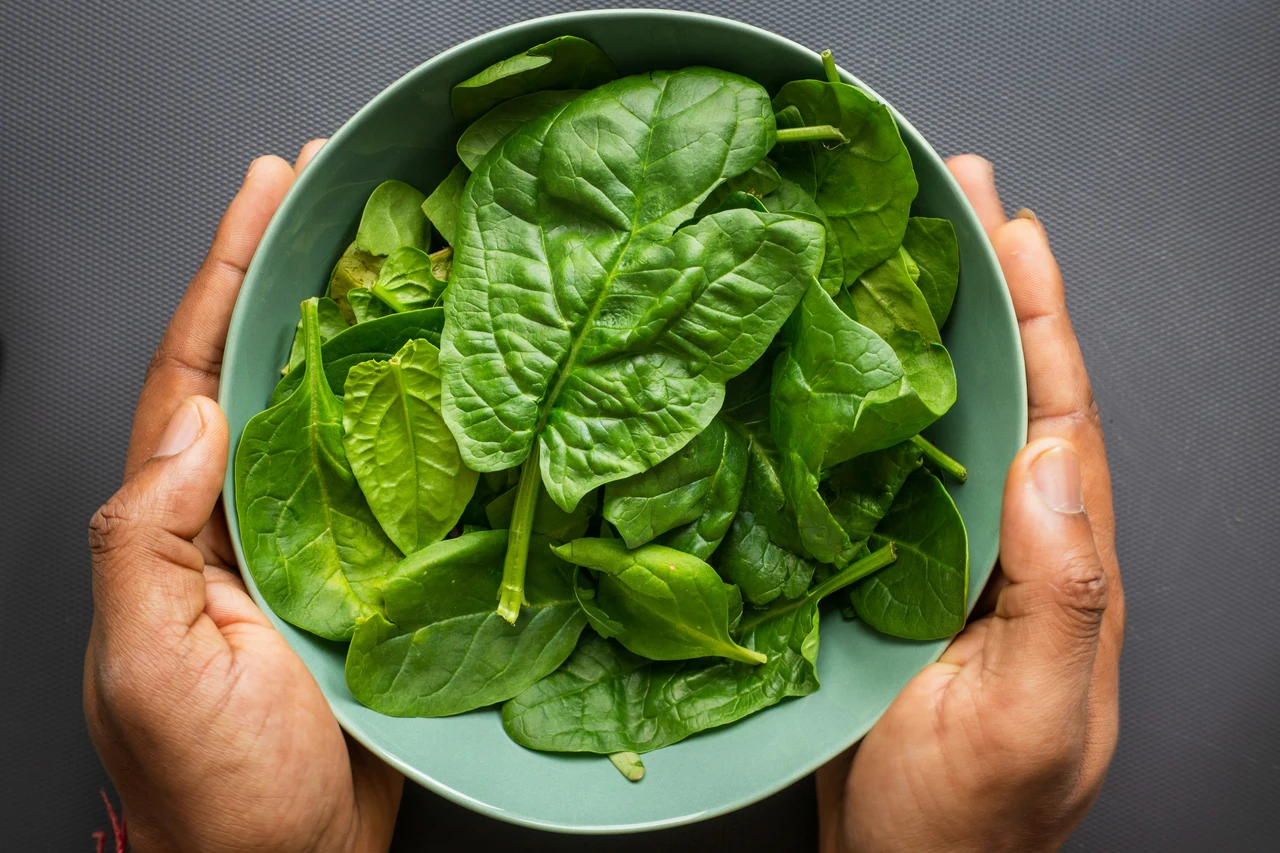
Leafy greens (spinach, beet greens, Swiss chard)
Leafy greens are some of the most underrated potassium sources. For example, cooked greens like spinach or beet greens can provide 800–1,300mg per cup.
They also deliver iron, magnesium, and antioxidants, making them a strong all-round performance food.
Beans and legumes
White beans, black beans, lentils, and chickpeas are all excellent sources. A single cup of cooked beans can provide 17–21% of your daily potassium needs.
They’re especially useful for plant-based runners, offering potassium alongside protein and carbohydrates.
Potatoes (especially with skin)
Regular potatoes are just as powerful as sweet potatoes. A baked potato with skin can provide close to 900mg of potassium.
They’re also one of the easiest ways to boost carb intake for long runs or recovery.
Dried fruits (apricots, prunes)
Dried fruits are incredibly concentrated sources of potassium. For example, dried apricots can deliver 700+mg per serving.
They’re portable, easy to eat mid-run, and double as a quick carbohydrate source.
Coconut water
Coconut water is often called “nature’s sports drink”, and for good reason. It’s rich in potassium and other electrolytes, helping with hydration and recovery.
It’s particularly useful after hot runs or long sessions where sweat losses are high.
Fish (salmon, tuna)
Fish like salmon and tuna provide a solid dose of potassium alongside omega-3 fats, which can support recovery and reduce inflammation.
This makes them especially valuable in post-run meals.
Yogurt and dairy
Dairy products are often overlooked. A cup of yogurt can provide over 500mg of potassium, plus protein for recovery.
It’s an easy, low-effort post-run option.
Tomatoes and tomato products
Tomatoes, tomato juice, and sauces are surprisingly rich in potassium. Some forms (like tomato paste or juice) can provide 10%+ of your daily needs per serving.
They’re easy to incorporate into everyday meals like pasta or stews.
How to get more potassium (without overthinking it)
You don’t need to track every milligram. Instead, focus on building meals around potassium-rich foods:
- Add leafy greens to meals regularly
- Swap in potatoes or sweet potatoes for carbs
- Include beans or lentils a few times per week
- Use fruit + yogurt as a recovery snack
- Drink coconut water after long or hot runs
Variety is key. Different foods bring different nutrients alongside potassium.
The Bottom Line
Potassium is critical for runners, helping with hydration, muscle function, and overall performance. While bananas are convenient, they’re far from the best option.
By including foods like avocados, potatoes, leafy greens, beans, and dairy, you can easily meet your needs, and support better recovery and performance in the process.
Ready to take the next step with your running? Whether you're aiming for your first finish line or chasing a new PB, our expert-led training plans can help you train smarter and stay consistent. Explore our 5K, 10K, half marathon and marathon training plans to find the right fit for your goal.