Oatmeal is one of the most popular breakfasts among runners and active people. It’s quick to prepare, affordable, and packed with nutrients that help fuel your day. Whether you’re heading out for a run or just want a filling breakfast, oats provide a great balance of carbohydrates, fibre, and protein.
But how many calories are actually in oatmeal? The answer depends on the serving size and what you add to it.
Calories in plain oatmeal
A standard serving of oatmeal is ½ cup of dry rolled oats, which becomes about 1 cup of cooked oatmeal once prepared.
Here’s the approximate nutritional breakdown:
½ cup dry rolled oats (about 1 cup cooked):
- Calories: ~150
- Carbohydrates: ~27g
- Protein: ~5g
- Fat: ~3g
- Fibre: ~4g
If you double the serving size to 1 cup of dry oats, the calorie count rises to roughly 300 calories before adding any toppings.
Because oatmeal is cooked with water or milk, it’s considered a “wet grain,” which tends to be more filling than dry cereals.
Why oatmeal is a great breakfast for runners
Oatmeal is especially useful for runners because it provides slow-releasing carbohydrates that help sustain energy levels.
Some key benefits include:
- Steady energy: The complex carbs in oats provide long-lasting fuel.
- Fibre for digestion: Around 4g of fibre per serving helps support digestive health.
- Protein content: Oats naturally contain small amounts of protein to support recovery.
- Highly customizable: You can easily adjust calories depending on your training needs.
Because of this balance of nutrients, oatmeal is often recommended as a pre-run breakfast or recovery meal.
The real calorie difference comes from toppings
Plain oatmeal is relatively low in calories, but what you add on top can dramatically change the nutritional profile.
Here are some common toppings and their approximate calories:
Healthy toppings
- Banana (1 medium): ~100 calories
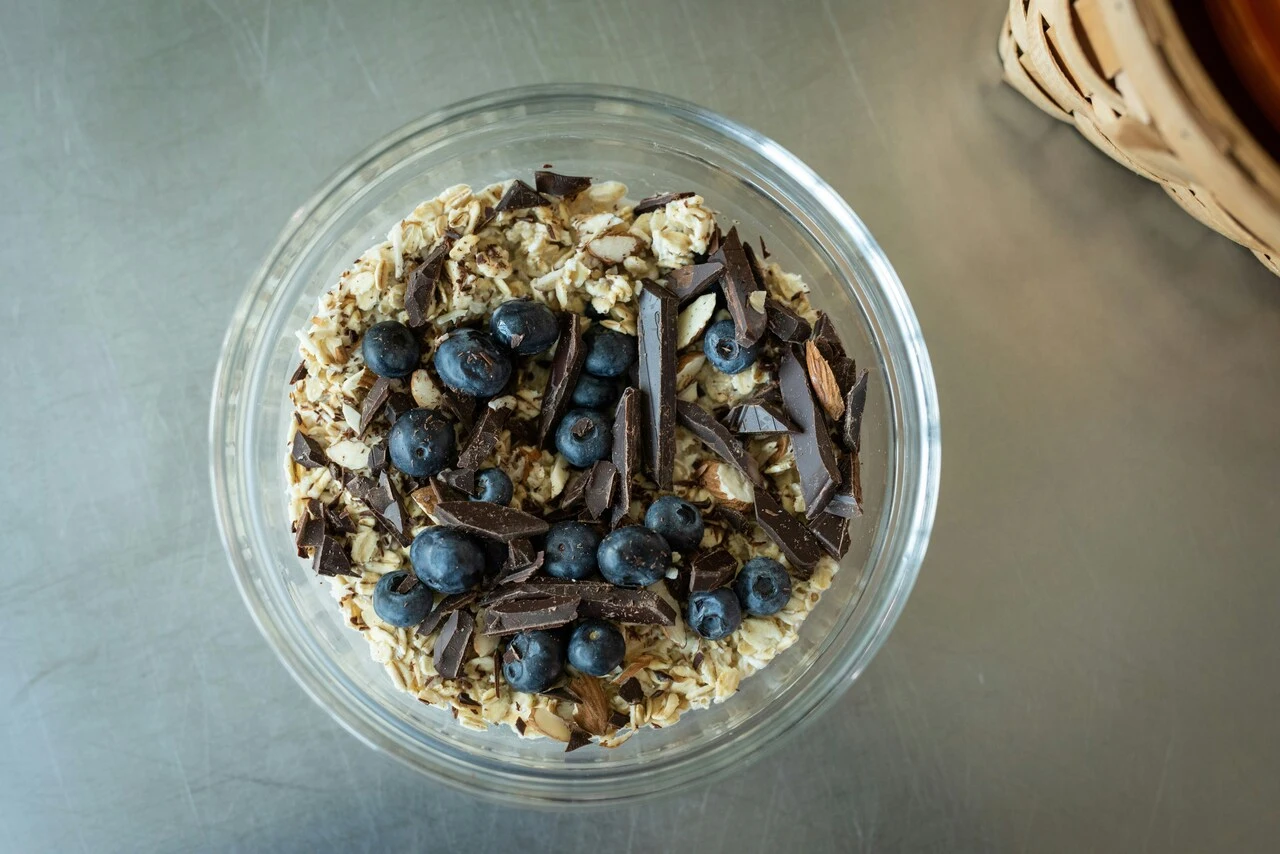
- Blueberries (½ cup): ~40 calories
- Almond butter (1 tbsp): ~95 calories
- Walnuts (1 oz): ~185 calories
Sweet toppings
- Maple syrup (1 tbsp): ~50 calories
- Brown sugar (1 tbsp): ~45 calories
- Honey (1 tbsp): ~60 calories
A simple bowl of oatmeal with fruit and nut butter can easily reach 300–400 calories, which is often ideal for a balanced breakfast.
Fresh fruit vs dried fruit
Dried fruit is often used in oatmeal, but it’s much more calorie-dense than fresh fruit because the drying process removes water and concentrates sugars.
For example:
- ½ cup fresh berries: ~40 calories
- ½ cup raisins: ~215 calories
Fresh or frozen fruit typically provides more volume and fewer calories, helping you feel fuller for longer.
Watch out for instant oatmeal packets
Flavoured instant oatmeal is convenient, but many varieties contain added sugars and extra calories.
Some packets can contain:
- 160–200+ calories per serving
- 10–15g of added sugar
If you prefer instant oats, choose plain versions and add your own toppings instead.
How many calories should your oatmeal breakfast have?
For most runners or active people, a balanced oatmeal breakfast often falls between:
300–400 calories
A typical example might include:
- ½ cup oats
- 1 banana
- 1 tablespoon peanut butter
- Cinnamon or berries
This combination provides carbohydrates for energy, protein for recovery, and healthy fats to keep you satisfied.
Adjust your portion depending on your training
Your ideal oatmeal portion may vary depending on your activity level.
For example:
- Light training days: 150–250 calories may be enough
- Before a long run: 300–400 calories is common
- Post-run recovery meal: oatmeal plus protein or yogurt can help muscle repair
The key is adjusting portions based on how much fuel your body needs.
A simple oatmeal idea for runners
If you want a quick, balanced bowl of oatmeal, try this combination:
- ½ cup rolled oats
- 1 chopped apple
- 1 tablespoon walnuts
- Cinnamon
It provides steady energy, fibre, and healthy fats, making it an excellent breakfast before a run or workout.
Ready to take the next step with your running? Whether you're aiming for your first finish line or chasing a new PB, our expert-led training plans can help you train smarter and stay consistent. Explore our 5K, 10K, half marathon and marathon training plans to find the right fit for your goal.