

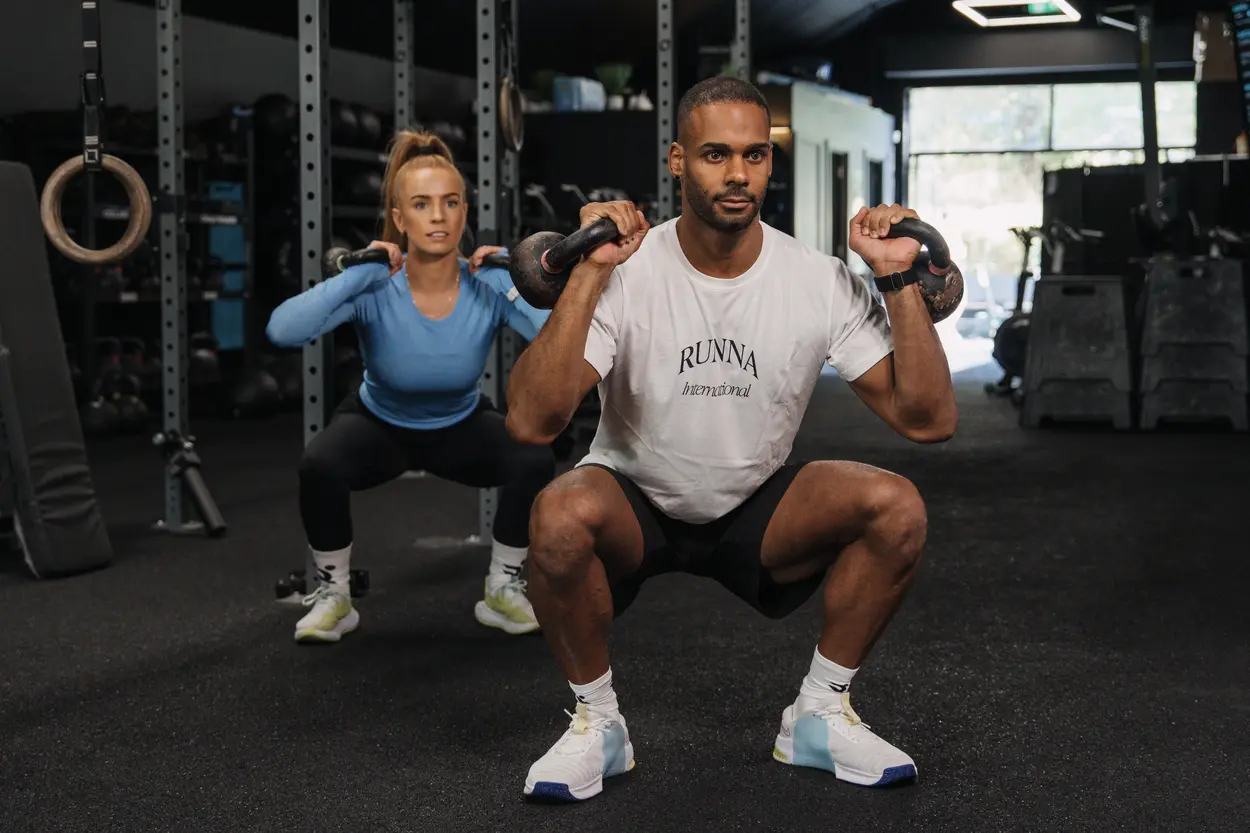
ほとんどのランナーは、筋力トレーニングをすべきだと知っている。 しかし、実際にランニングと並行してそれを組み込むのが難しいところだ。
持ち上げすぎると、何日も足がボロボロになる。 走りすぎると筋力トレーニングが完全に抜けてしまう。 間違った日に両方ともやると、急にどのセッションも精彩を欠くようになる。 その結果、ランニングが優先されると筋力トレーニングが放棄されるという、すべてか無かのアプローチになりがちだ。
現実には、ランニングと筋力トレーニングは組み合わせて行うのが最も効果的だ。ただし、賢くバランスを取った場合に限る。 正しく行えば、筋力トレーニングは走りを損なうことなく、より効率的で回復力の高いランナーにしてくれる。
両者を互いに協力させ、対立させない方法はこちらだ。 と を組み合わせるのだ。
そもそもランナーが筋力トレーニングをするべき理由
ランニングは心肺フィットネスの向上に良いが、比較的単調だ。 同じ筋肉や腱、関節に、走るたびに何千回も衝撃を吸収させているんだ。
筋力トレーニングは次の点で不足を補う:
- 衝撃を吸収するために筋肉を強化する
- ランニング経済性の向上(同じペースでより少ないエネルギーを使う)
- パワーと安定性の向上
- 一般的な使いすぎによるけがのリスクを減らす
重要なのは、筋力トレーニングは正しく行えば「がっしりした体」になったり動きが鈍くなったりしないということだ。 むしろ、それは体がランニングをより効率的に処理するのを助ける。特に走行距離や強度が増すにつれてそうだ。
両立させるのが難しいと感じるのはなぜだろう
脚のトレーニングを激しく行った翌日に、うまく走れなくて苦労したことがあるなら、それは弱さじゃない。生理的なものだ。
筋力トレーニングは、ランニングとは異なる種類の負荷を体に与える。 重い物や慣れない物を持ち上げると、筋肉の損傷や神経系の疲労が生じる。その回復には、激しいランニングよりも長い時間がかかることがある。 だから、24~48時間経っても足がだるく感じることがあるんだ。
これは筋力トレーニングがランナーにとって悪いという意味ではない。 それは意味するのだ タイミングと強度は重要だ 。
黄金律:厳しい日は厳しく、楽な日は楽に
ランナーが犯す最大の過ちの一つは、ストレスを週全体に均等に分散させることだ。ハードなランニングをここで行い、厳しいジムトレーニングをそこで行う――すべてがごちゃ混ぜになっている。
より良い方法は、 ハードなトレーニングを同じ日にまとめて行うことだ。そうすれば、体の回復を妨げないよう、軽いトレーニング日を確保できる。
つまり:
- ハードなランニングと筋力トレーニングを組み合わせる(慎重に)
- 軽度なランニングの日を本当に軽く保つ
- 連続した日にハードなトレーニングを避ける
これにより明確なストレスと回復のサイクルが生じ、適応が起こるのだ。
走るのと持ち上げるのと、どちらを先にやるべきか?
同じ日に両方やるなら、順番が大事だ。
一般的に:
- 走ることを優先し、筋トレは後回しにしろ 重要なランニング(テンポ走、インターバル走、ロングラン)の場合
- リフトは最大出力ではなく、制御された状態を保て。
- 可能であれば、セッションを数時間間隔で分けること
最初に走ることで、質の高いランニングに足の疲労を引きずらないようにできる。 その後の筋力トレーニングは、望む刺激を与えつつも、ランニングフォームやペースを損なうことはない。
軽度なランニングや回復を目的としたランニングなら、順番はそれほど重要ではない。ただし、重い脚のトレーニングと高強度のランニングをあまり近い間隔で行うのは避けるべきだ。
ランナーは筋力トレーニングを何回必要とするのか?
ほとんどのランナーにとって、 週に2回の筋力トレーニングセッション が最適だ。
それだけで十分な強さと回復力を養える。回復を妨げることもない。 回復習慣の良い経験豊富なランナーなら週3回でも問題ないが、それ以上が必ずしも良いとは限らない。
各セッションは長くする必要はない。 たとえ 20~30分 の集中的な筋力トレーニングでも、継続すれば非常に効果的だ。
ランナーにとって最も効果的な筋力トレーニングは何か?
ボディビルの分割トレーニングや複雑なルーティンは必要ない。 ランニングに特化した筋力トレーニングでは、以下の点を優先する:
- 下半身の筋力(大腿四頭筋、ハムストリングス、ふくらはぎ)
- 股関節と臀部の安定性
- 体幹の強度
- 片足制御
スクワット、ランジ、デッドリフト、ステップアップ、カーフレイズ、そして体幹トレーニングといった種目が、ランナーに必要なトレーニングの大半をカバーする。 目標はできるだけ重いものを持ち上げることではない。ランニングに活かせる筋力を身につけることだ。
一週間を組み立てる賢明な方法
バランスの取れた一週間は、大抵こんな風になる:
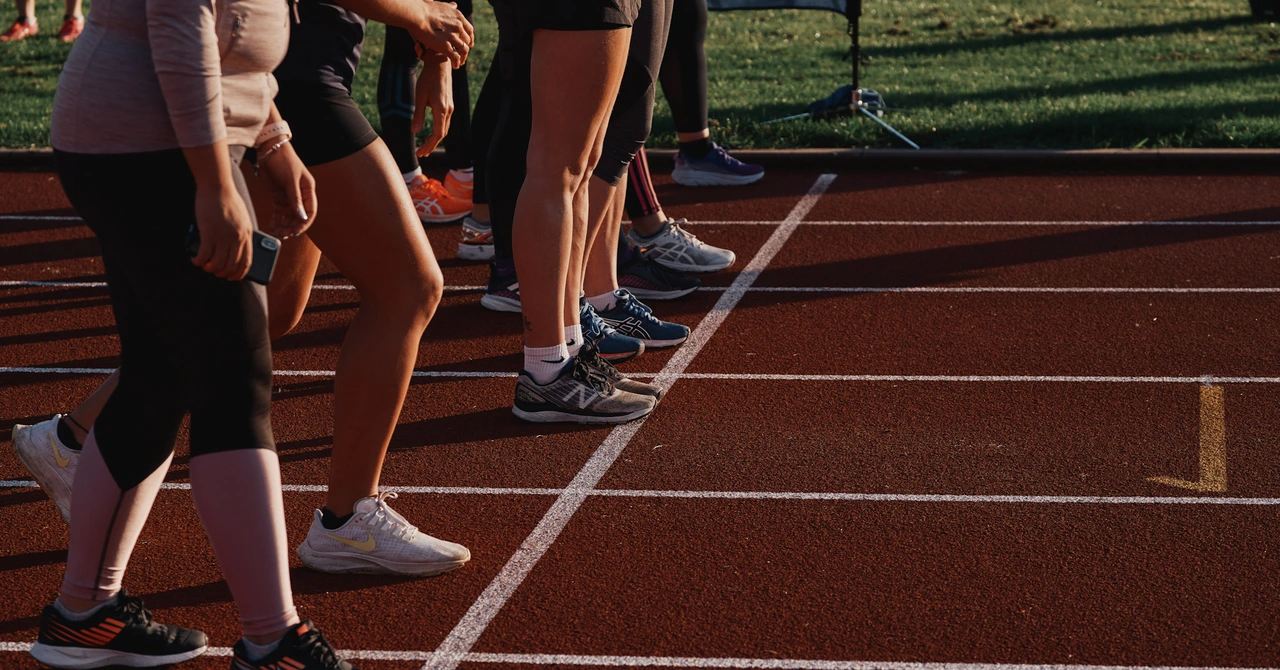
- ハードなランニングの日 (テンポ走またはインターバル)
→ 任意で、その日の後半に短時間または中程度の筋力トレーニングを行う - 軽度なランニングの日
→ 筋力トレーニングなし、あるいはごく軽い可動域トレーニング - 軽度なランニング+筋トレの日
→ まず軽度なランニング、その後で筋トレ - 長距離走の日
→ 当日は重い物を持ち上げない - 休息日またはアクティブリカバリー日
これは重要な箇所の品質を維持し、他の箇所の回復を保護する。
時間が足りない場合はどうする?
時間が限られているなら、筋力トレーニングはランニングを補助すべきであって、競合すべきではない。
短くて規則的な練習は、長くて不規則な練習に勝る。 週に1回か2回、適切な筋力トレーニングを組み込めば、時間の経過とともに効果が出るものだ。
ここで構造化された計画が役立つのだ。 Runnaでは、筋力トレーニングはランニングを中心に組み立てられる。後付けで付け足すものではない。 ランニングを始めたばかりなら、Runnaの無料トレーニングプラン(最大5キロ対応)が徐々に筋力を高めるから、継続力を養いながら負荷がかかりすぎることはない。
バランスがおかしい兆候
以下の場合には調整が必要かもしれない:
- 走るたびに重く感じるか、あるいは平板に感じる
- お前はいつも体が痛かったり疲れていたりする
- 軽度なランニングは楽に感じない
- 「正しいことを全てしている」にもかかわらず、やる気が落ちる
大抵の場合、解決策はトレーニング量を増やすことではない。適切な間隔を空けること、軽い筋力トレーニング、あるいはハードな日を減らすことだ。
要するに
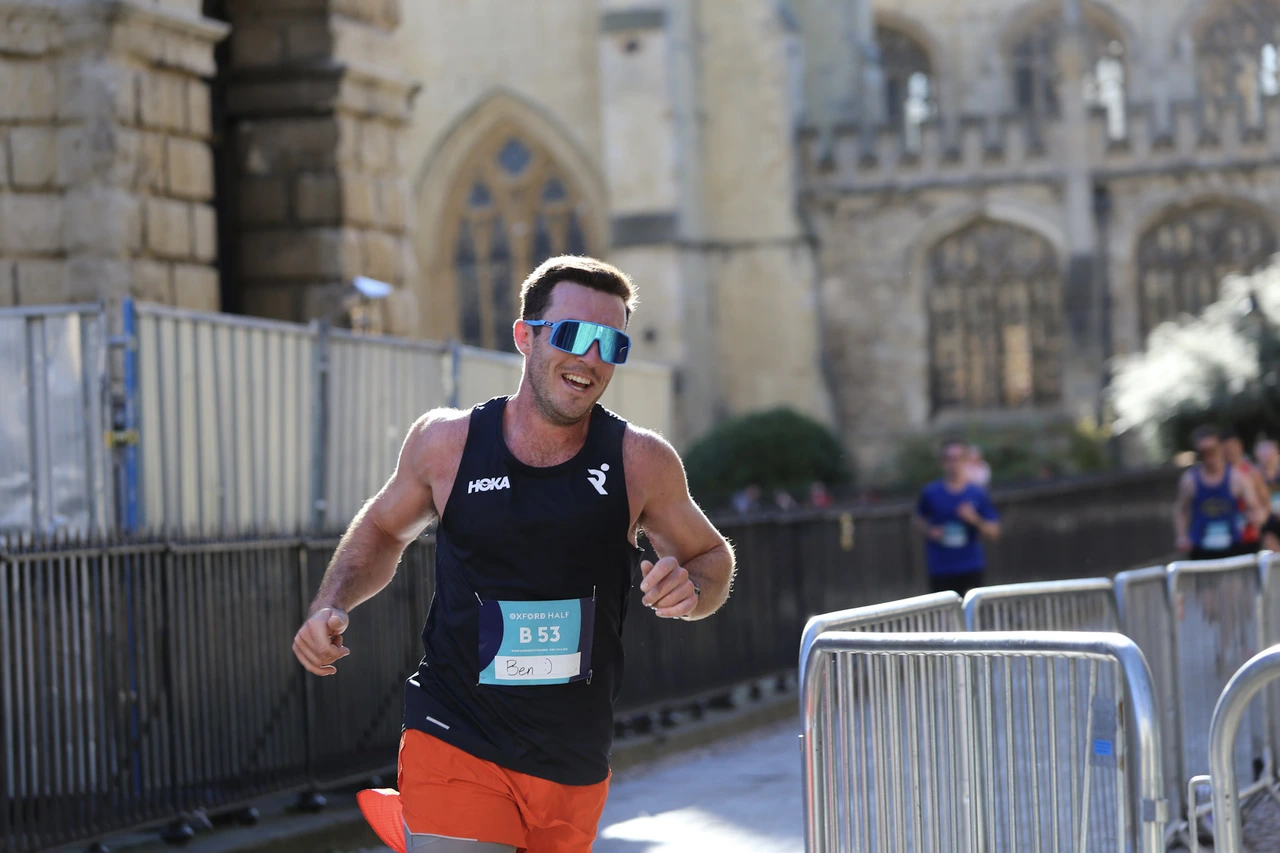
ランニングと筋力トレーニングは競合するものではなく、互いに補い合うものだ。 鍵は スマートなスケジュール設定、適切な強度、そして回復を尊重することだ。
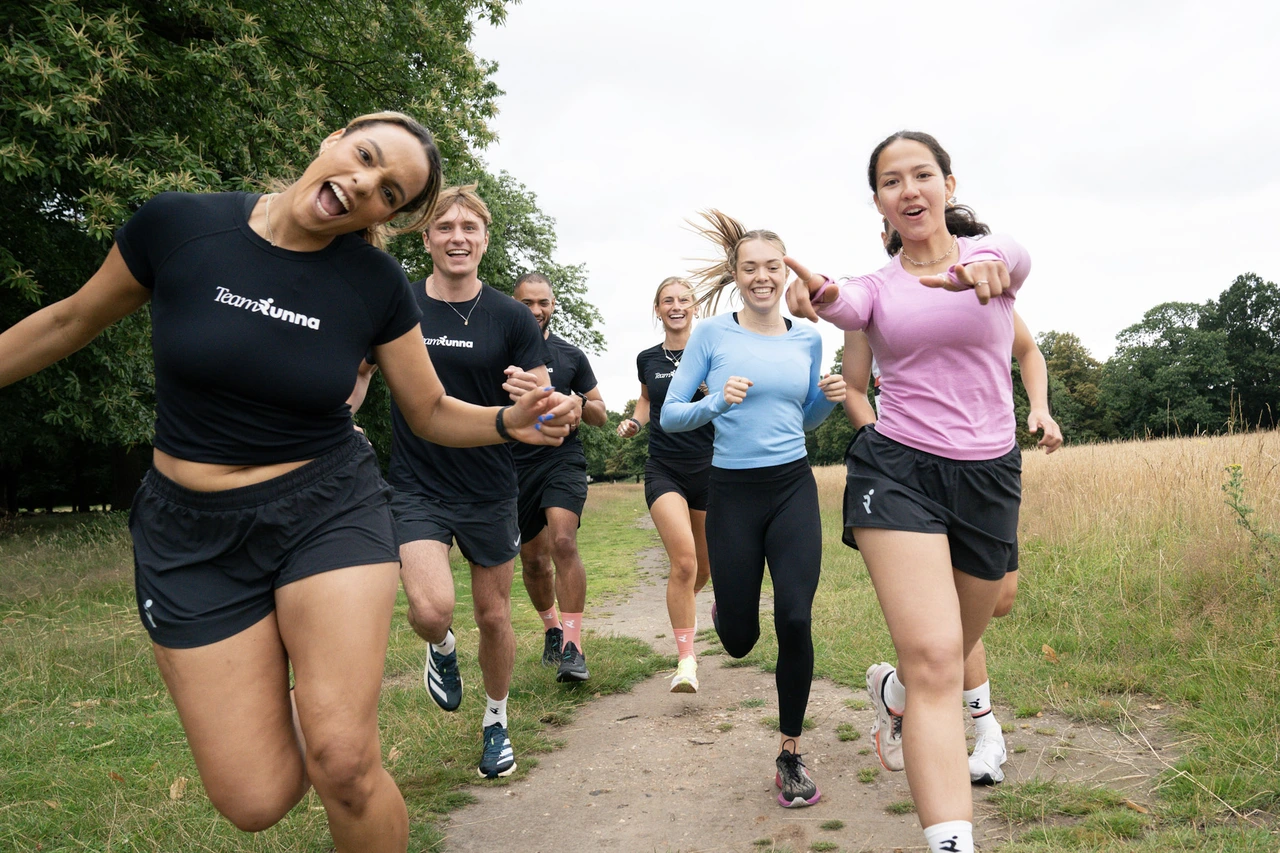
週に2回の筋力トレーニングをランニングと組み合わせて行うことで、トレーニングを妨げることなく、ランナーとしてより強く、より効率的で、より耐久性のある体を作ることができる。
両方のバランスを取るのに当てずっぽうな方法を使いたくないなら、ランナのトレーニングプラン(無料プランも含まれる。5キロまでのプランはこちら)は、疲労ではなく進歩をサポートするように設計された方法でランニングと筋力トレーニングを統合している。
Ready to take the next step with your running? Whether you're aiming for your first finish line or chasing a new PB, our expert-led training plans can help you train smarter and stay consistent. Explore our 5K, 10K, half marathon and marathon training plans to find the right fit for your goal.


.webp)