


ランナーの旅には、青い月のような趣味ではなく、ライフスタイルの一部となる時期が訪れる。 廊下がランニングシューズであふれ、Runnasアプリが自宅の自慢の場所にあり、次のPRを夢見ている。 しかし、この旅のどこかで、学ぶべきまったく新しい言語があることに気づくだろう。
でも心配はいらない。 ランナー用語に圧倒されたことは誰にでもあるだろう。 しかし、少し練習すれば、あっという間にランナーの言葉を覚え、昔の語学教師が自慢するほど流暢に話せるようになる。
そこで、「ネガティブ・スプリット」の意味を正確に覚えようとしている人にも、VO2maxとは一体何なのかという議論に勝ちたい人にも役立つ、初心者向けのランニング用語25選を紹介する。
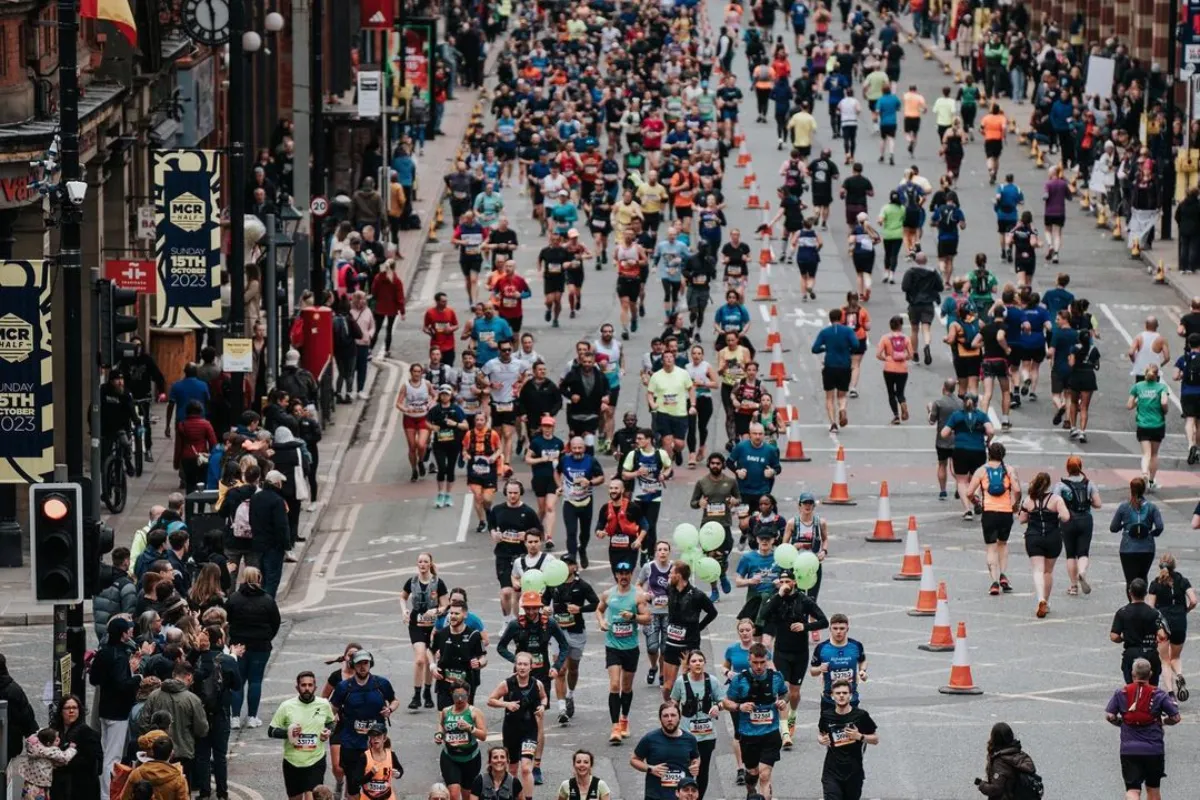
1. Distance: これは当然のことだ。 イェップだ。 5キロ、10キロ、ハーフマラソン、マラソンなど、レースの長さや特定のランニングの距離のことだ。
2. ペース: あなたの経験豊富なランナー仲間が自分のペースについて話し始めるとき、彼らは走っていたスピードについて話している。 As such, you can expect your pace to vary depending on the distance and terrain.
3. ケイデンス: これは、舗装道路を歩いているときの1分間の歩数のことだ。 Pro tip: A faster cadence can help improve your form and reduce the risk of injury.
4. VO2 Max: Taking you back to GCSE science, your VO2 max refers to either your maximum oxygen uptake or the amount of oxygen your body is able to use during a run. 基本的に、このゲームの目的はVO2maxを向上させることであり、それがランニングパフォーマンスを向上させる確実な方法だからだ。 It’s also the first thing to decrease when you take a break from running.
5. Threshold: There is a point where your body switches from using primarily aerobic energy to embracing that anaerobic energy. This is called the threshold, and training near yours is one of the most effective ways of improving your endurance.
6. Hill Repeats: This one is like Ronseal – it does exactly what it says on the tin. 筋力と持久力を向上させるために、坂道を何度も上り下りするのだ。 That’s what makes it such an epic form of training and the perfect preparation for a trail run or race.
7. Fartlek: [Insert chuckle here] The Swedish word for "speed play," a fartlek is a speedwork format that involves varying your pace during a run by alternating between fast and slow intervals for however long you want.
8. Interval training: Technically, interval training refers to the time spent recovering between speed segments. しかし、この言葉は一般的に、短時間の高強度の努力の後、休息または低強度の回復を繰り返すことを指す。
9. Taper: In the build up to a race, especially long distance ones, there will be a period where you preserve your energy levels by reducing your training volume and intensity in the days and weeks prior. これは身体を回復させ、当日最高のパフォーマンスを発揮できるようにするためだ。
10. Recovery Run: Recovery is the secret weapon of every experienced runner, and recovery runs are a part of that. 基本的には、高強度のトレーニングから体を回復させ、有酸素体力を向上させるための、ゆっくりとしたイージーランである。
11. Cross-Training: Any other type of exercise a runner might do to improve their condition, complement their training and improve overall fitness, such as strength training, cycling and swimming.
12. Stride: Strides are short, gradual bursts of acceleration of less than 30 seconds done at around 90% of your maximum speed that are used to improve running form and efficiency. もちろん、ランニング中の一歩をストライドと呼ぶこともある。
13. PR or PB: These stand for Personal Record or Personal Best, referring to your fastest time over a given distance, such as 5K or marathon. We love a PR.
14. Negative Split: This is when you run the second half of a race or run faster than the first half, which can be a strategic approach to pacing your race.
15. Fueling: Eating and drinking before / during a run to maintain your energy levels and prevent dehydration. つまり、壁にぶつかるのは、燃料を使い果たし、体が筋肉を使うための燃料に変換できる炭水化物を必要としているからである。 Common fueling options include gels, sports drinks, and water.
16. Hydration: Nothing is more important than drinking enough fluids before, during, and after a run to prevent dehydration and allow your body to perform at its pique. 個人的な水分補給の必要性については、気温、湿度、距離などの要因によって変わってくる。
17. Compression: Wearing compression socks (or other garments) with the sole aim of improving your blood circulation, and reducing the chance of muscle soreness and fatigue.
18. Shoe Drop: The difference in height between the heel of and toe of a running shoe. 伝統的に、ランニングシューズはドロップが大きく、ヒールは厚くクッション性があり、トゥボックスは低く平らだった。 しかし近年は、より自然な足運びを促し、怪我のリスクを軽減する低ドロップのシューズに注目が集まっている。
19. Pronation: This refers to the natural inward rolling of your foot as it lands while you’re running. この言葉が最近よく使われるようになったのは、ランナーの中にはオーバープロネートをする人がいて、怪我のリスクが高まるからだ。
20. DOMS: This stands for Delayed Onset Muscle Soreness, which is a feeling of discomfort in your muscles 1 to 3 days after a heavy workout. これは必ずしもワークアウトが良かったという意味ではなく、そのレベルの強度に慣れていないということだ。
21. Rest Day: An essential part of every runner’s training plan, rest days are a chance to let your body adapt to the stress of training through sleep, nutrition and active recovery as a way to avoid overtraining and make significant progress.
22. Dynamic / Static Stretching: Dynamic stretching involves light, bouncy movements through the range of motion to warm up the body before running, whereas static stretches are where you hold a position at the end of your range. どちらを選んでも、ランニングの終わりに凝り固まった筋肉をほぐす効果的な方法だ。
23. Carbo Load: Switching your macronutrient ratio to be more carbohydrate heavy in the days leading up to a race as a way to replenish your glycogen (energy) stores; something that can be incredibly beneficial for races beyond 90 minutes.
24. Cool-Down: The last part of a runner’s workout, the cool down has one goal and that’s to get your heart rate (and breathing) back to a more normal level. 何をするかは個人の好みの問題だが、通常は短いウォーキングや軽いジョギング、そしてダイナミックなストレッチをする。
25. 走っている最中や走った後に、脳が自然の化学物質を体内に放出しているときに感じる純粋な多幸感だ。 エンドルフィンからエンドカンナビノイドまで、この感覚がランニングをやみつきにさせるのだ。
Ready to take the next step with your running?
Whether you're aiming for your first finish line or chasing a new PB, our expert-led training plans can help you train smarter and stay consistent. Explore our 5K, 10K, half marathon and marathon training plans to find the right fit for your goal.


.webp)
.webp)
.webp)
.webp)